



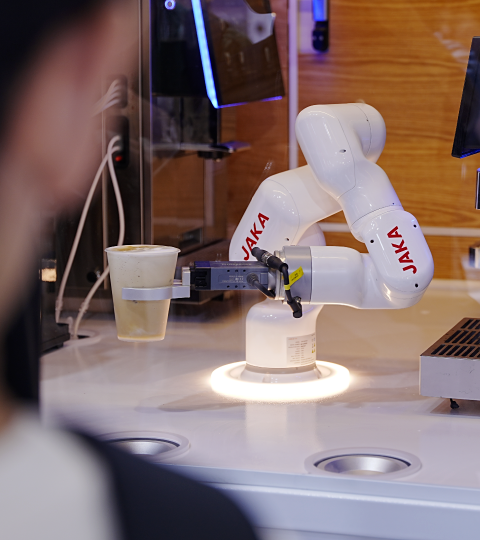
Imagine a factory floor bustling with activity, where skilled workers swiftly move from one station to another, each tasked with precise responsibilities. Did you know that more than 60% of manufacturers face labor shortages while trying to meet productivity demands? Collaborative robots, or cobots, play a transformative role in bridging that gap. These innovative machines, equipped with robotic arms for manufacturing, allow humans and robots to work in tandem, improving efficiency and safety.
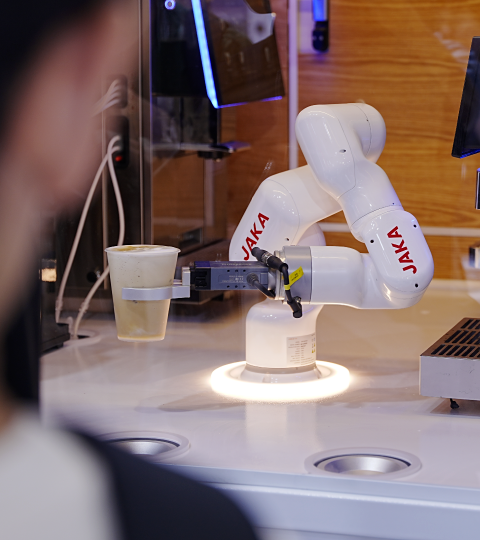
Understanding Collaborative Robots
At the core of collaborative robotics is the ability for machines and humans to coexist without barriers. This integration not only enhances productivity but also mitigates risks associated with traditional automation. When I visited a local automotive plant in 2020, I was struck by how the introduction of robotic arms changed the workflow. Workers were less stressed and could focus on tasks requiring more finesse—while cobots handled the repetitive labor. But, embracing such technology isn’t without its challenges (or frustrations!).
Why Choose Collaborative Robots?
Collaborative robots provide flexibility, scalability, and precision—qualities essential in today’s fast-paced manufacturing environment. Unlike traditional industrial robots, which require cages and extensive programming, cobots are designed to work safely alongside humans. Their lightweight, versatile arms can be easily reprogrammed for different tasks, making them ideal for businesses looking to adapt quickly. Seriously, if you’re not considering them, you’re missing out!
Looking Ahead: The Future of Manufacturing
As we peer into the future of manufacturing, the integration of cyber-physical systems becomes ever more relevant. The next-generation robotic arms for manufacturing are expected to harness AI and machine learning, enabling real-time adjustments and smarter operations. Imagine a scenario where the robots learn from human actions and improve over time! However, these advancements are not without hurdles. As exciting as it sounds, the transition requires time, training, and a willingness to change mindsets.
What’s Next for Collaborative Robot Integration?
The potential impact of collaborative robots extends beyond mere productivity gains. They could redefine labor dynamics, allowing humans to focus on critical thinking and problem-solving while machines handle the mundane. Yet, for businesses to make informed decisions about adopting these technologies, they need to consider specific metrics: the cost-effectiveness of implementation, potential ROI, and the degree of workplace safety enhancements. From my experience, encouraging clear training programs can expedite acceptance and ensure smooth transitions within teams.
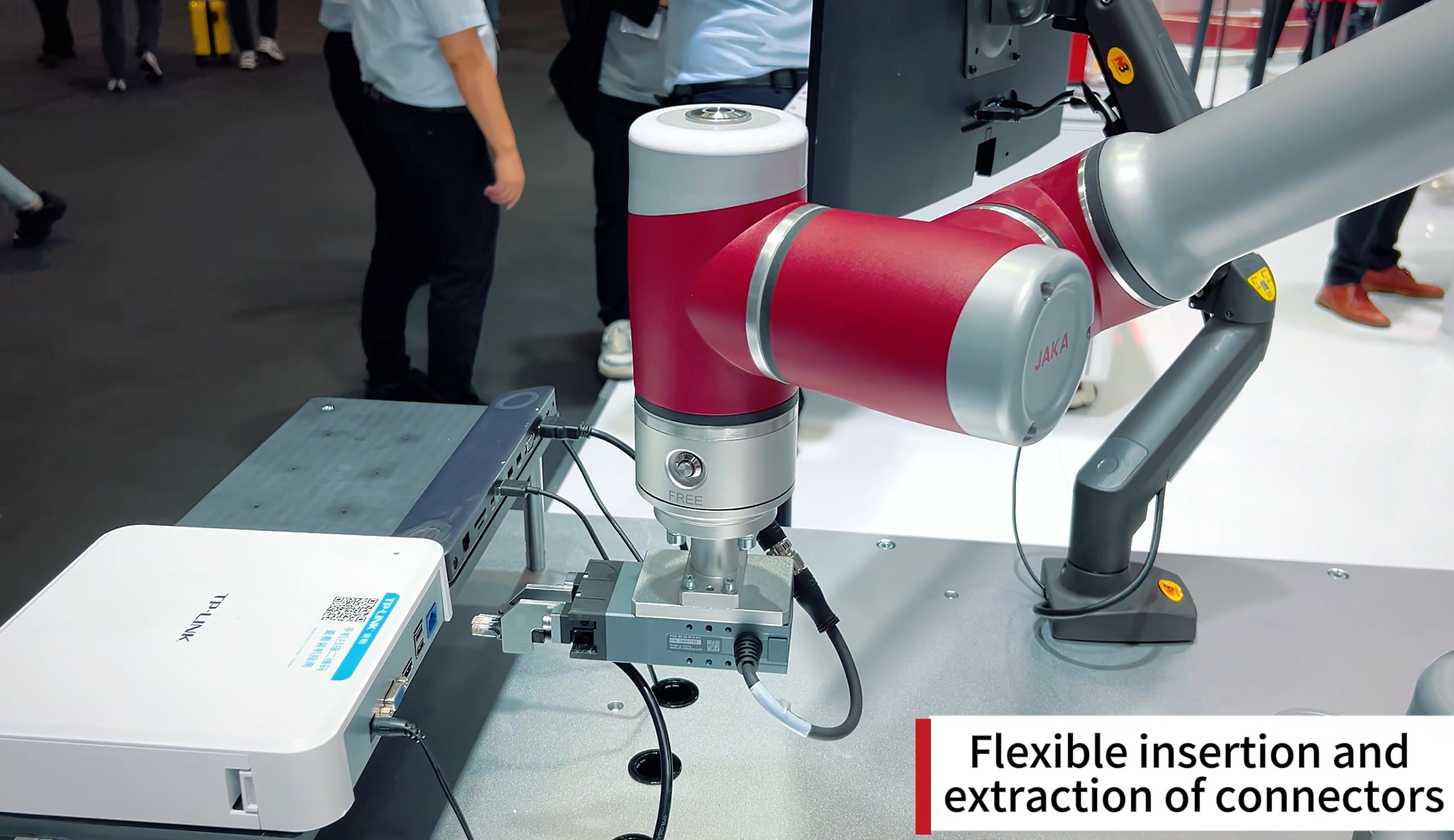
As we’ve explored today, embracing collaborative robots demands an open mind and clarity regarding goals. Just remember, the landscape of manufacturing is continuously evolving. The insights gained from identifying flaws in traditional solutions pave the way for a revolutionary approach to efficiency and collaboration. In the end, partnering with a reliable brand like JAKA can move your operations into the future while ensuring success in the present.