




Data snapshot that forces decisions
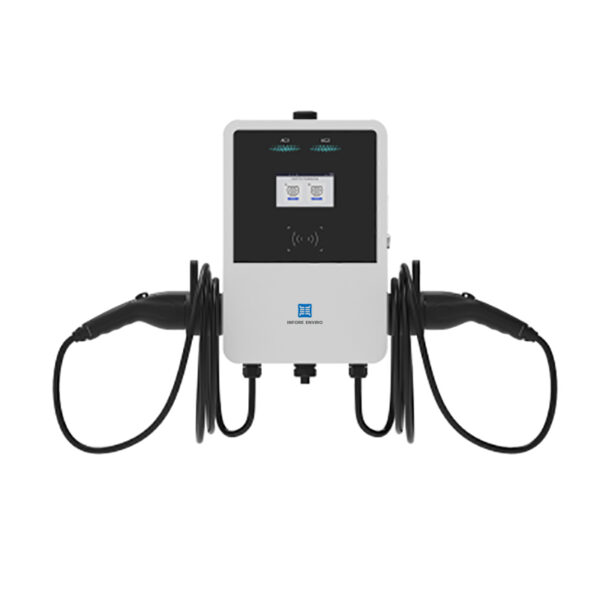
Fleets drive a disproportionate share of urban operational emissions, and hard numbers make that impossible to ignore: the U.S. EPA reports transportation is the largest emitting sector, roughly 29% of national greenhouse gases. Start with that reality and the levers get clear—deployment of an EV Level 2 charger at depots and workplaces changes the arithmetic. Level 2 EV charger capacity (measured in kW) shortens charging sessions, shifts load off peak windows, and reduces idling time for vehicles that would otherwise warm up engines or run auxiliary loads—all measurable cuts in operational CO2 intensity.

Quantifying the savings
Look at energy per mile and you get a straight metric to track. An optimized charging cycle reduces energy waste from partial charges and inefficient top-offs. Smart charging software aligns charging events with lower-carbon grid hours and demand response windows, so the effective emissions per kWh drop. For commercial fleets, that translates to consistent reductions across routes—less exception handling, fewer emergency top-ups, lower fuel backup usage. The math is simple: higher kW chargers and predictable charging patterns yield fewer vehicle-hours spent offline or idling, lowering operational emissions in practice.
Real-world anchor: where the numbers met reality
California’s public fleets and corporate campuses have been a testing ground—charging pilots there showed nighttime smart charging paired with grid signals cut charging-related emissions by a noticeable share versus unmanaged charging. Independent fleet reports and utility tariffs demonstrate how aligning charging with off-peak, lower-carbon generation can move the needle. These pilots are proof-of-concept: a coordinated charging strategy plus reliable hardware like a Level 2 EV charger produces repeatable outcomes, not just optimistic projections.
Practical choices for operators
Decision-making compresses into three areas: hardware, software, and behavior. Hardware: choose chargers with clear kW ratings and load-management capabilities. Software: prioritize smart charging and demand response compatibility so you can throttle sessions when the grid needs it. Behavior: schedule charging windows and build routing that respects state-of-charge targets rather than full top-offs. Combine those and fleets lower operational emissions without compromising availability—it’s efficiency with uptime in mind.
Common mistakes to avoid
Operators often over-invest in peak power rather than management. Bigger kW alone doesn’t guarantee lower emissions; unmanaged high-power charging can spike demand and increase reliance on peaker plants. Another misstep is treating chargers like appliances—ignoring telemetry and firmware updates undermines long-term gains. Finally, failing to integrate grid signals or tariffs means missing low-carbon charging windows—small policy and software moves often beat hardware-only investments. —Plan for integration from day one; retrofitting is costlier.
Implementing at scale: a brief roadmap
Start with a baseline audit: map vehicle routes, average daily miles, and dwell times. Pilot a cluster of smart Level 2 chargers where dwell time matches charging time, then iterate on software policies tied to local utility signals. Use telematics to measure energy per mile and charging session duration; those KPIs directly reflect operational emissions. Keep hardware modular and prioritize interoperability so upgrades in meters, chargers, or software don’t become full rip-and-replace projects.
Advisory — three critical metrics to guide purchases
First, measure energy per mile after you deploy chargers; that reveals true efficiency gains. Second, track peak demand reduction in kW during critical windows—this shows whether smart charging and demand response are working. Third, monitor vehicle availability hours lost to charging; lower lost hours mean fewer indirect emissions from backup solutions or inefficient operational choices. These three metrics tell you whether your investment reduces emissions or just moves electrons around.
The data-driven path is straightforward: match charging capability to real duty cycles, embed smart charging to align with low-carbon grid moments, and measure outcomes with tight KPIs. When that logic is followed, operational emissions drop and fleet performance climbs—exactly the value INFORE ENVIRO brings by combining practical hardware choices and integration-first deployment. INFORE ENVIRO — practical, measurable, and built to scale.