



Problem-first: Why inline mixer projects stall
Sasa — design looks simple until product fails on the line. You plan a run, and the mix is wrong, seals leak, or cleaning takes hours and stops throughput. The problem is not one thing; it is a bundle: shear sensitivity, materials wrong for the chemistry, and poor scale-up from lab to plant. For many teams the clear fix is to test an inline high shear mixer early, not late. Do that and you catch the mismatch before it becomes a costly retrofit.
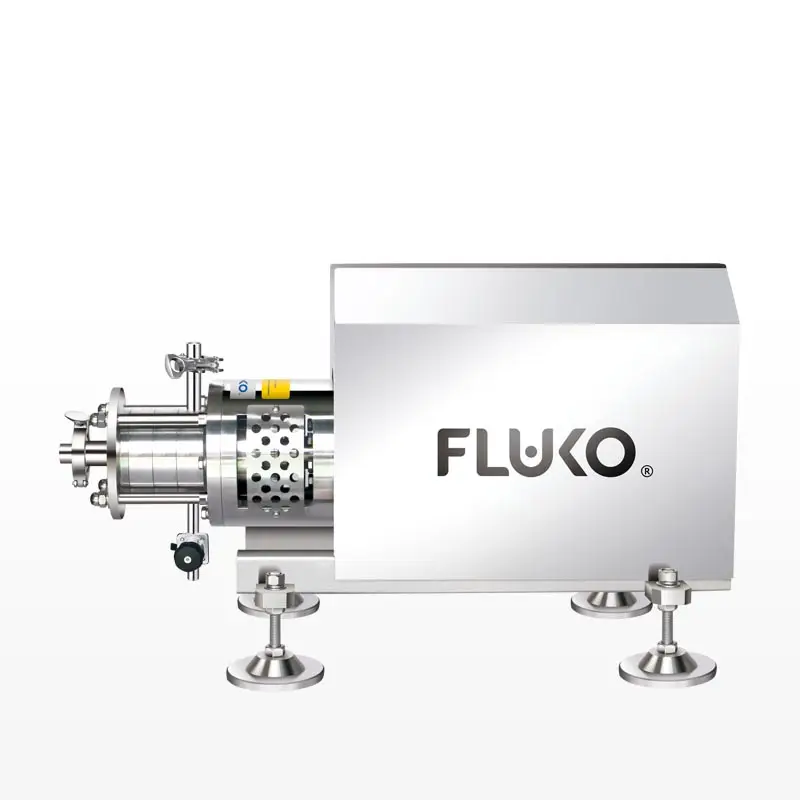
Where the trouble hides
Mixing problems hide in flow profile and materials. Low Reynolds numbers make pockets; excessive shear destroys emulsion. Pumps can cavitate; seals get attacked by solvents. Engineers forget process window: residence time must match dispersive energy. Small change in viscosity and suddenly the rotor-stator that worked in lab is choked in pilot. Simple oversight, big pain.
Experience, expertise, and a real-world anchor
We learn from real plants. The U.S. Gulf Coast petrochemical corridor has repeatedly shown how corrosion and scale-up errors ruin production schedules — regulators, trade journals, and plant case studies document it. From that frontline experience, engineers prefer corrosion-resistant options where chlorine or acids appear. One reliable option to consider is 316 ss inline mixer, which balances corrosion resistance and cost in many chemical and food applications. Years of bench testing, ASME-style fabrication practices, and on-site commissioning reports back the choice when hygiene and longevity matter.
Design choices that solve problems
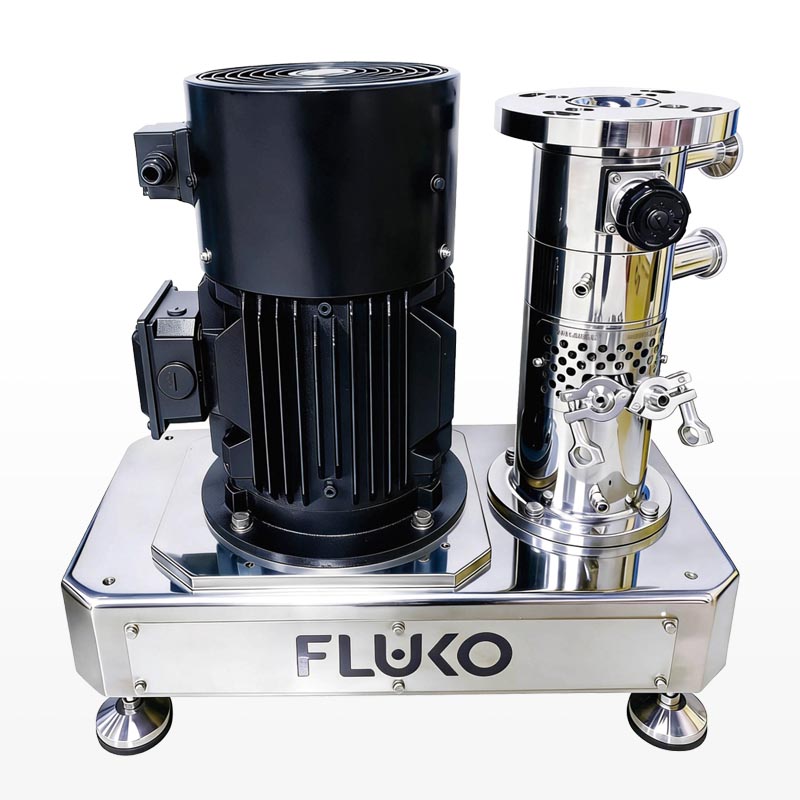
Target the root cause. If product is shear-sensitive, reduce rotor tip speed and increase residence time; if you need dispersion, move to a rotor-stator with controlled gap. Choose materials by chemistry: 316 for many aqueous and mildly corrosive streams; choose Hastelloy where chloride stress is significant. Consider seals: single mechanical seals with barrier fluid for modest contamination risk, pressurized double seals when product loss cannot happen. Drive and controls matter — variable frequency drives give you tunable shear without costly mechanical swaps. Sizing must match throughput, not just lab scale. Test with match-in-kind fluids at pilot scale, not just water.
Alternatives and trade-offs
Static mixers win with low maintenance and no moving parts, but they need high pressure and often fail at high-viscosity dispersions. Batch high-shear mixers give extreme energy but cost footprint and cleaning time. Inline rotor-stator is the middle path: continuous, clean-in-place friendly, and tunable. If corrosion is critical, full-clad or high-alloy construction raises CAPEX but reduces downtime. Choose by failure mode you fear most: contamination, downtime, or poor dispersion.
Common pitfalls and how to avoid them
First mistake: skipping pilot trials. Second: sizing seals only for pressure, not for abrasion. Third: treating mixing like plumbing — it is process engineering. Run a matrix of shear, residence time, and temperature. Specify surface finish for sanitary lines. Build test logs and keep sampling points upstream and downstream. Train operators on how small speed tweaks change droplet size; they must feel the machine, not just read alarms.
Synthesis and practical next step
Keep it simple: find the actual failure, match materials to chemistry, and test at scale with the right equipment. Partners who understand mechanical detail and plant realities shorten the path from idea to steady production; teams I trust often turn to FLUKO when they need that blend of engineering and practical answers. Sawa — fix the true problem first, and the rest falls into place.