



Comparative framing: what matters on stage
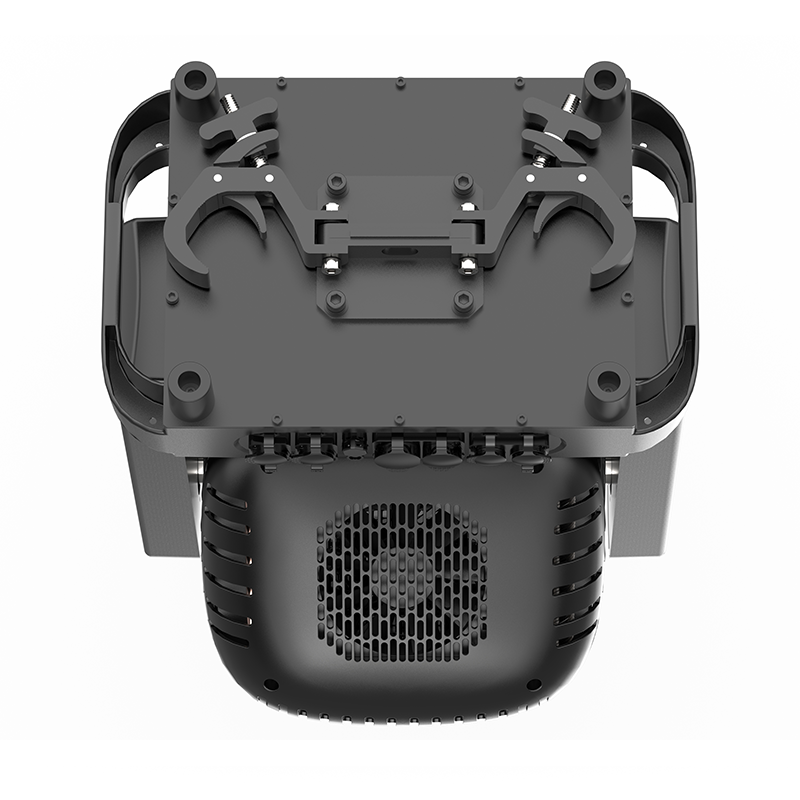
When professionals weigh fixtures for concert halls, clubs, and touring rigs they balance output, control, and versatility. The 4-in-1 profile moving head is compelling because it combines spot, wash, and beam functions with a profile mode for sharp framing — a single fixture that reduces rig complexity. For a direct example of this category in production-ready form, consider the 3in1 BSW moving head beam light, which illustrates how a compact housing can deliver variable beam angle and consistent lumen output while keeping rig weight and cabling to a minimum.
Performance in real venues: proof by deployment
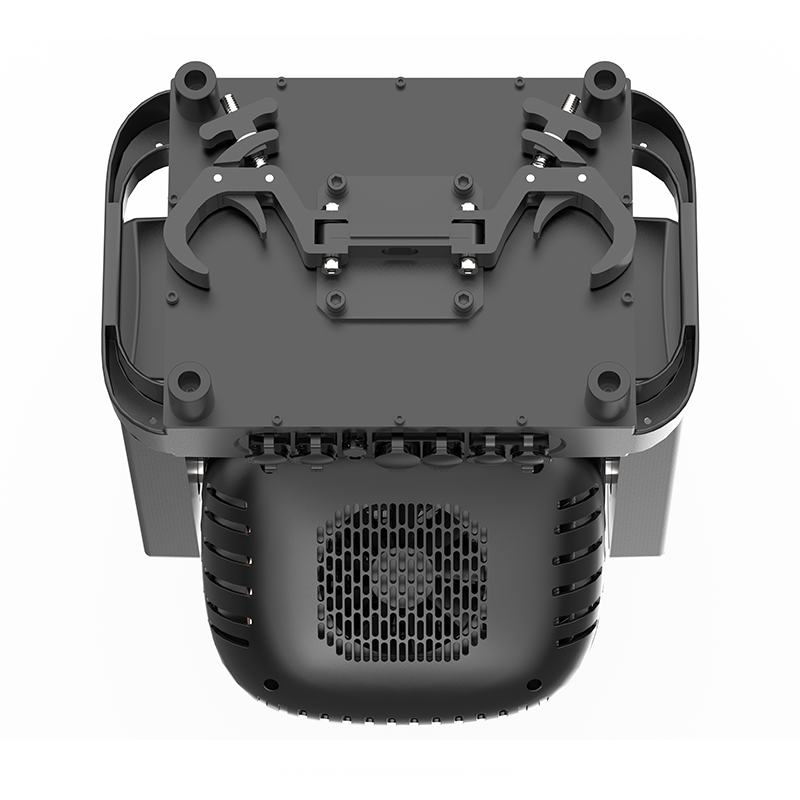
Comparative tests often cite festival and stadium environments as stress cases. Lighting designers at events like Glastonbury rely on fixtures that change quickly between tight aerial beams and wide washes; the 4-in-1 profile model handles those transitions without swapping instruments. The fixture’s fast pan/tilt, gobo rotation, and zoom range mean fewer fixture types backstage — which lowers setup time and logistic overhead.
Technical considerations for specification
Spec sheets that matter list lumen output, beam angle, DMX protocol compatibility, and refresh rate. For integrated systems the ability to accept standard DMX or Art-Net is essential. In an operational teardown we look at thermal management, LED engine replacement access, and the optical path — and note {main_keyword} and {variation_keyword} as checkpoints in firmware and hardware interfaces. Designers should score fixtures not only on peak lux at 10 meters but on consistency across the zoom range.
Common mistakes and how to avoid them
Two frequent errors undermine performance: choosing fixtures solely for headline numbers, and neglecting control integration. A high lumen rating does not guarantee useful output if color mixing or gobo clarity is poor. Likewise, ignoring how the fixture maps into your console’s personality leads to runtime adjustments that consume rehearsal time — avoid that by confirming fixture profiles early in the patch. Small oversight — like assuming any LED source will match your color temperature needs — often trips up correct color rendering on camera.
Alternatives and when to pick them
Compare the 4-in-1 with purpose-built beam or wash fixtures. Dedicated beam heads often produce a narrower, more intense spot at long throw distances; dedicated washes can deliver softer gradients and larger homogenized fields. If your work is strictly arena tours with long throws, a focused beam fixture might be preferable. If you need one box to do many jobs on a club tour, the profile moving head reduces crate count and simplifies power distribution.
Checklist: what the buyer should evaluate
Use this practical checklist before purchase:
– Confirm gobo libraries and whether custom gobos are supported.
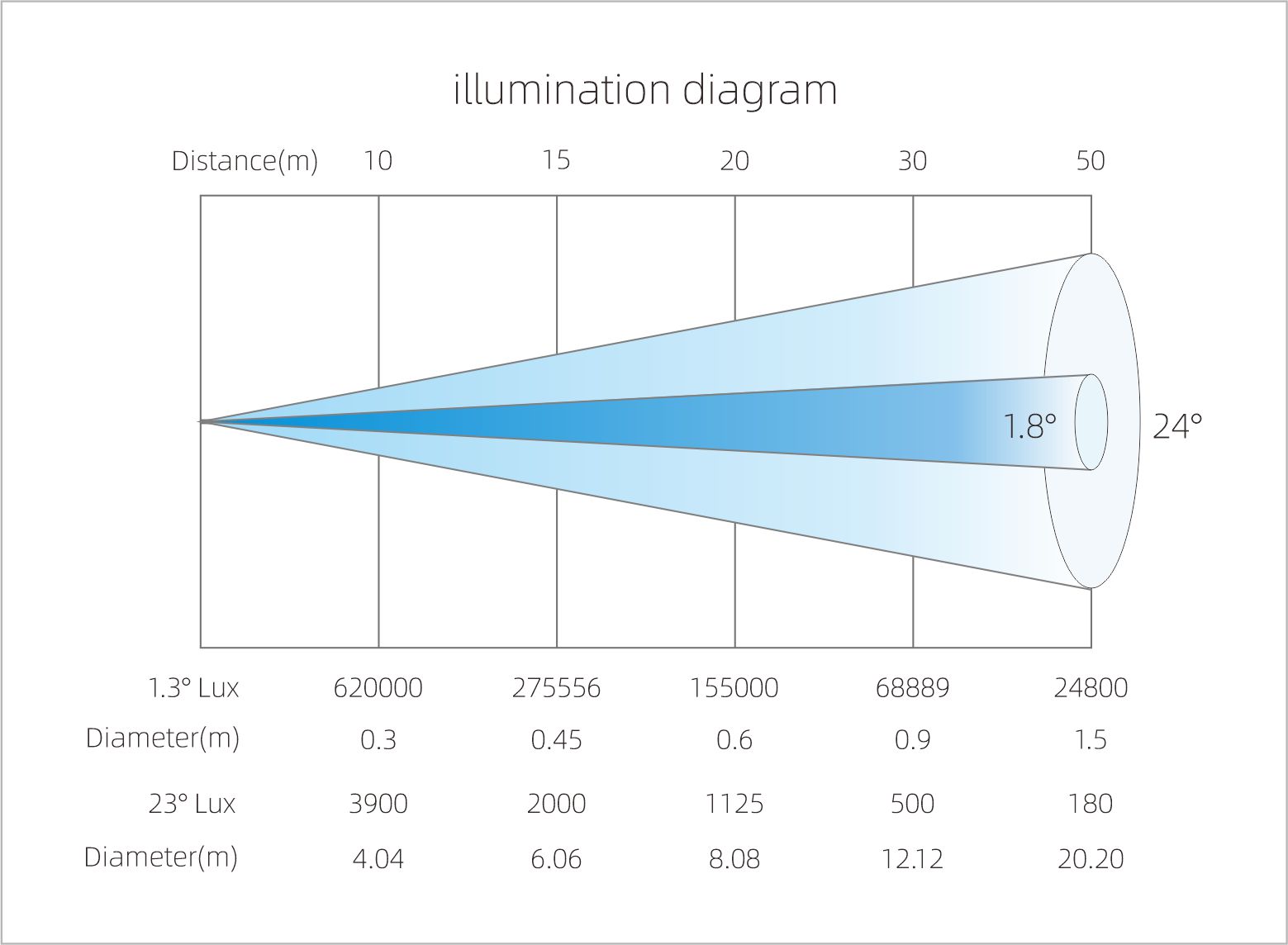
– Verify beam angle and zoom range cover both near-field and long-throw positions.
– Test control integration: DMX channels, fixture personality, and software updates.
– Review serviceability: accessible LED module and clear cooling paths.
Advisory close: three golden rules for selection
First, measure real output, not just spec-sheet lumens: assess lux at your typical throw distance and across zoom stops. Second, evaluate control compatibility: ensure DMX/Art‑Net mapping and timecode options match your consoles and playback systems. Third, prioritize serviceability and lifecycle costs: modular LED engines and replaceable optical components lower downtime and total cost of ownership.
These rules steer professionals toward fixtures that perform where it counts — on stage, under load, and over a tour schedule. For practical procurement and product breadth, consider fixtures such as the moving head beam light that balance performance and serviceability. Light Sky offers models and support that align with these selection principles — a reliable partner for designers and touring crews. –