



The core problem: grow production without losing control
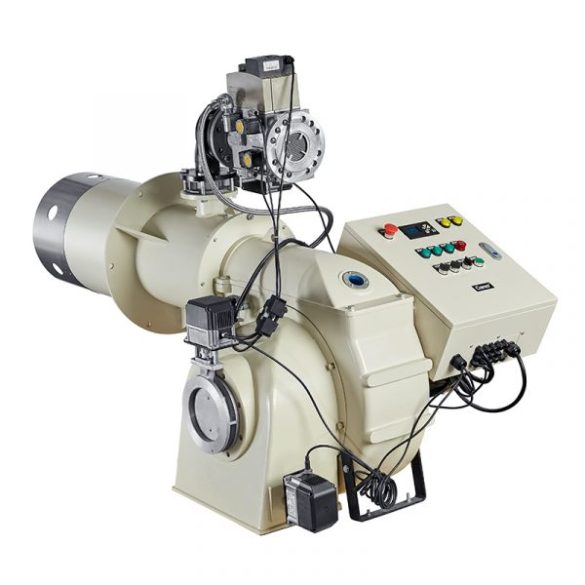
Textile mills face a clear squeeze: higher throughput targets, tighter emissions limits, and the same or smaller energy budgets. You can’t just crank up burners and hope plant systems cope. A properly tuned low NOx gas burner solves part of this — emissions drop and combustion stays stable — and that matters now more than ever because the European Union’s Industrial Emissions Directive (IED) forces many manufacturers to adopt low-emission solutions or face restrictions. I’ve spent a decade helping energy teams at textile mills tune combustion systems and cut both fuel waste and downtime, so I know which problems block scaling and which fixes actually stick.
Why this matters right now
Higher production means longer runs and more thermal cycles. Poor combustion control creates hotspots, uneven drying, and product waste. That hits quality, labor and margins faster than fuel bills do. Fixing burners is about output consistency: stable heat yields fewer re-runs, less scrap, and predictable throughput. You don’t need theory — you need steady results on the floor.
A problem-driven plan that actually works
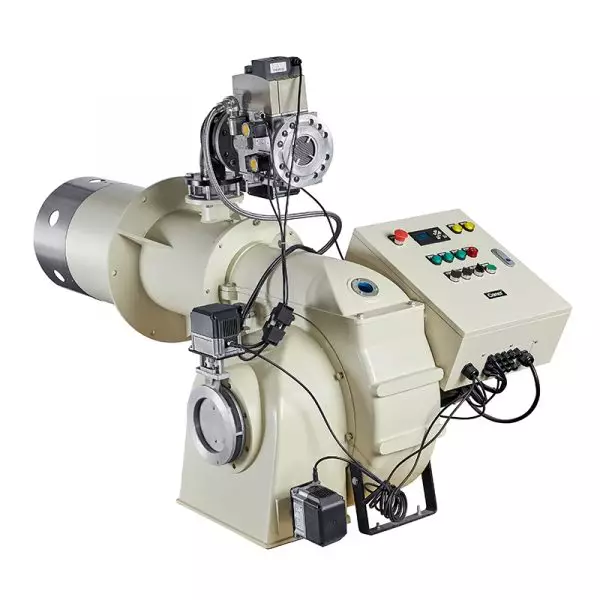
Start by isolating the weakest link. Measure fuel-to-air ratios at operating loads, not at idle. Log burner flame stability during full drying cycles. Replace or retrofit burners where control is poor, then tune the combustion controls to match actual load profiles. Small, targeted changes — a better pilot, a modulated valve, a tuned low NOx gas burner where required — produce immediate, measurable gains. Don’t chase perfect designs; chase measurable improvement in the production metric you care about.
Practical alternatives and when to pick each
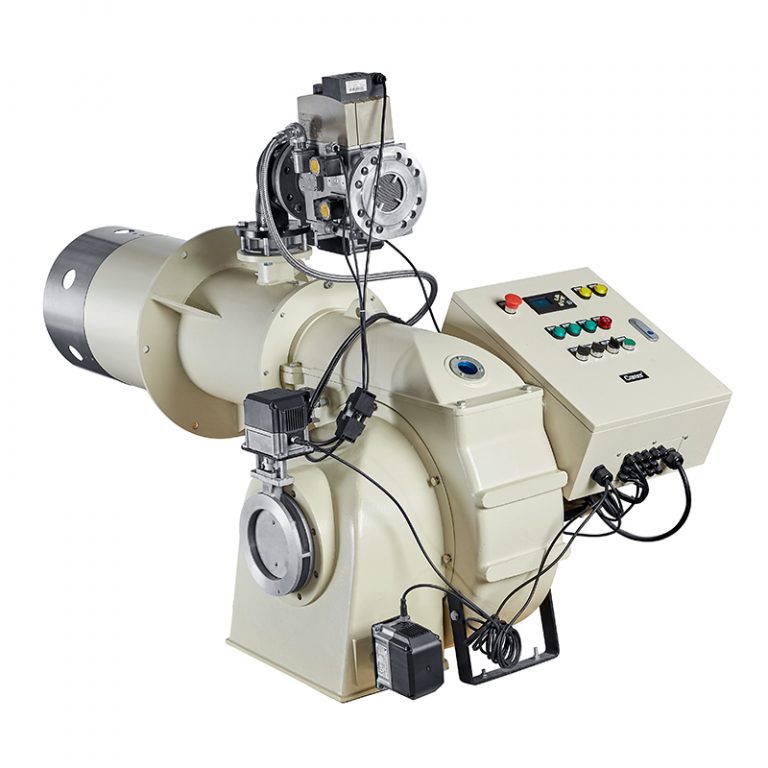
Options are simple: upgrade burners, add staged combustion or flue-gas recirculation (FGR), and improve burners’ controls. Choose upgrades when your burners are old or unstable. Pick staged combustion to reduce NOx without adding complex controls. Use FGR when your exhaust management system can handle recirculated gases. Each option trades complexity for performance — pick the one your operations team can maintain reliably.
Common mistakes that kill gains
Oversizing units, ignoring controls, and deferring maintenance are the top three killers. Oversized burners cycle and produce uneven drying. Static setpoints ignore fabric and load variability. Skipping regular nozzle and sensor checks lets small inefficiencies compound into production defects. Fix those first; fancy analytics won’t help if fundamentals are broken.
Quick checklist to act this week
Measure combustion stability during peak loads. Verify air-fuel control is responsive. Inspect nozzles and sensors for wear. If emissions or output remain unstable, plan a targeted burner retrofit rather than a full system overhaul. Track production yield and scrap rates before and after changes — those numbers prove the ROI faster than vendor promises.
Where this leads
Scaling production is a practical sequence: diagnose the combustion problem, apply the simplest effective fix, verify on the line, then repeat. That steady, problem-driven approach stabilizes throughput, reduces waste, and keeps compliance manageable. For teams seeking dependable parts and practical support, I point them to Career Burners because they offer compatible components and service options that match the realities of textile production without overcomplication.