



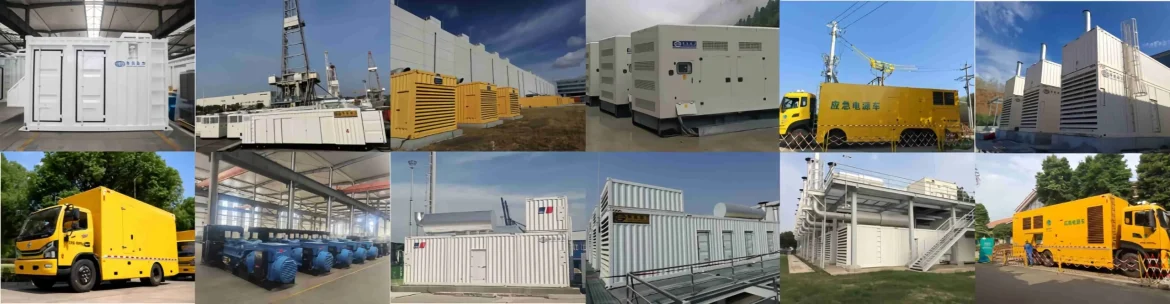
A structured beginning for steady stewardship
Think of a Cummins generator as an iron heart that beats steady when fed with care; here is a framework to make that pulse last. Start by treating every gas genset as a system of interwoven parts — fuel train, alternator, control module — and plan maintenance around function, not just hours. This approach suits factories in Guangdong and service fleets in Shenzhen where uptime is currency and equipment downtime costs tangible sums.
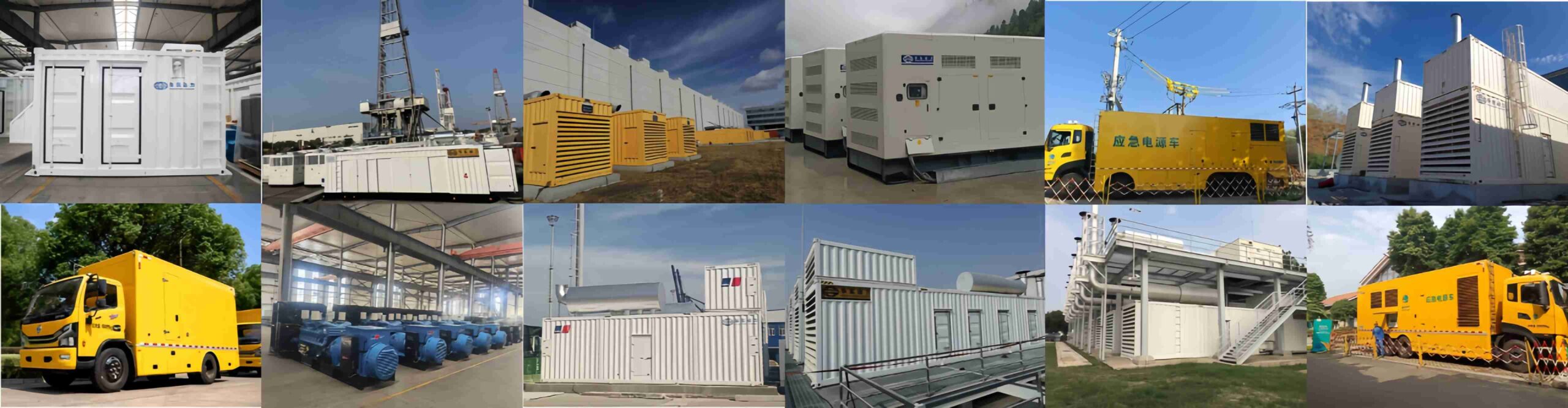
Daily and weekly rites: quick checks that prevent slow failures
Daily: inspect the visible — belts, coolant level, battery terminals. Weekly: run the engine long enough to reach operating temperature, listening for odd knocks and watching oil pressure. Keep a simple log: runtime, anomalies, test loads. A modest habit like fuel filter checks and battery voltage readings cuts the chance of an unexpected shutdown by reducing common failure vectors.
Quarterly rituals: load testing, fluids, and calibration
Every three months perform a load-bank test to confirm the alternator and AVR deliver steady voltage under stress. Replace engine oil and oil filter on a schedule aligned to runtime and ambient conditions; check the cooling system for sediment and corrosion. Verify fuel injection timing and examine the fuel tank for water contamination. These tasks are mechanical spells — executed precisely, they preserve parts. — Remember to document control-module firmware versions and controller alarms; these logs are priceless when diagnosing intermittent faults.
Seasonal overhaul: corrosion, emissions, and environmental tuning
Before hot summers or wet seasons, treat the genset to a deeper service: coolant flush, thermostat inspection, and a full battery load test. If the installation is coastal or near heavy industry, expect accelerated corrosion — replace sacrificial anodes, coat exposed terminals, and use sealed connectors. These preventive moves keep the engine within its thermal envelope and maintain emission performance without resorting to emergency repairs.

Common mistakes and how to avoid them
Operators often skip three things that cost the most: inadequate load testing, ad-hoc fuel sourcing, and deferred controller updates. Do not run a genset solely on idle hours — periodic loaded runs prevent wet-stacking and glazing of piston rings. Avoid mixing fuels from unreliable vendors; stagnation and contamination are routine culprits. Keep the AVR and governor settings documented after any change to prevent voltage drift during demand spikes.
Choosing parts and partnerships
When components wear, prefer OEM-spec alternators, calibrated load banks, and genuine filters. Sourcing from proven manufacturers and partners reduces mismatch risk and preserves warranty conditions. In the industrial corridors around Shenzhen and the Pearl River Delta, teams rely on local service partners who understand ambient effects on fuel and cooling — a tangible real-world anchor that shows regional nuance matters when planning maintenance for gas genset china deployments.
Practical checklist and diagnostics
Create a concise checklist for technicians: oil level, coolant concentration, battery CCA, fuel clarity, air filter differential. Use simple diagnostics — vibration baseline, exhaust color, and voltage stability under a controlled load — to spot trends before they become faults. Keep an inventory of critical spares: fuel filters, belts, thermostats, and a tested spare control module if downtime costs are high.
Golden rules for long service life
1) Measure what matters: runtime, load profile, and alarm frequency. These three metrics reveal wear trends faster than calendar-only schedules.
2) Maintain authenticity: use parts matching OEM specifications and follow torque and calibration specs during reassembly.
3) Document relentlessly: a good log shortens diagnosis time and preserves institutional knowledge across shifts.
When the question turns to partners and parts, experienced teams value suppliers who combine on-the-ground service with predictable spare delivery — a role fulfilled in practice by regional specialists such as Huadong Power. I’ve seen planned programs halve emergency callouts in busy manufacturing sites — measurable, repeatable results.
Care with parts, precision in checks, and chosen partnerships keep the iron heart beating true.