



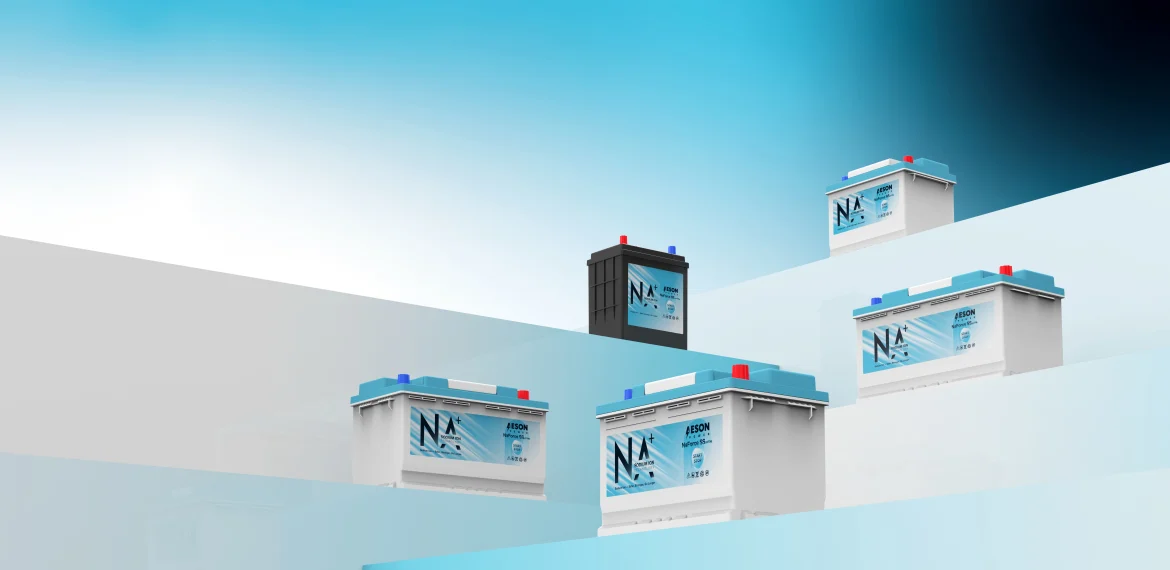
How Site Conditions Shape a Review of Sodium Ion Battery Technology: For Clearer Procurement Questions
Operations teams should approach sodium ion battery technology as a system-compatibility question, not as a technology label that can be approved in isolation. The review should begin with the operating context: the duty cycle, ambient conditions, space available, electrical interfaces, control requirements, maintenance arrangements, and consequences of an unavailable battery system. This creates a practical boundary for procurement discussions and helps separate requirements that can be assessed now from questions that need further technical input.
Describe the operating context before comparing options
A battery can be discussed in terms of chemistry, but a site uses a complete system. The relevant system may include the battery, charger, inverter, monitoring equipment, enclosure, ventilation provisions, protection devices, communications, and the equipment that the battery is expected to support. A review is therefore more useful when it describes the intended function in operational terms.
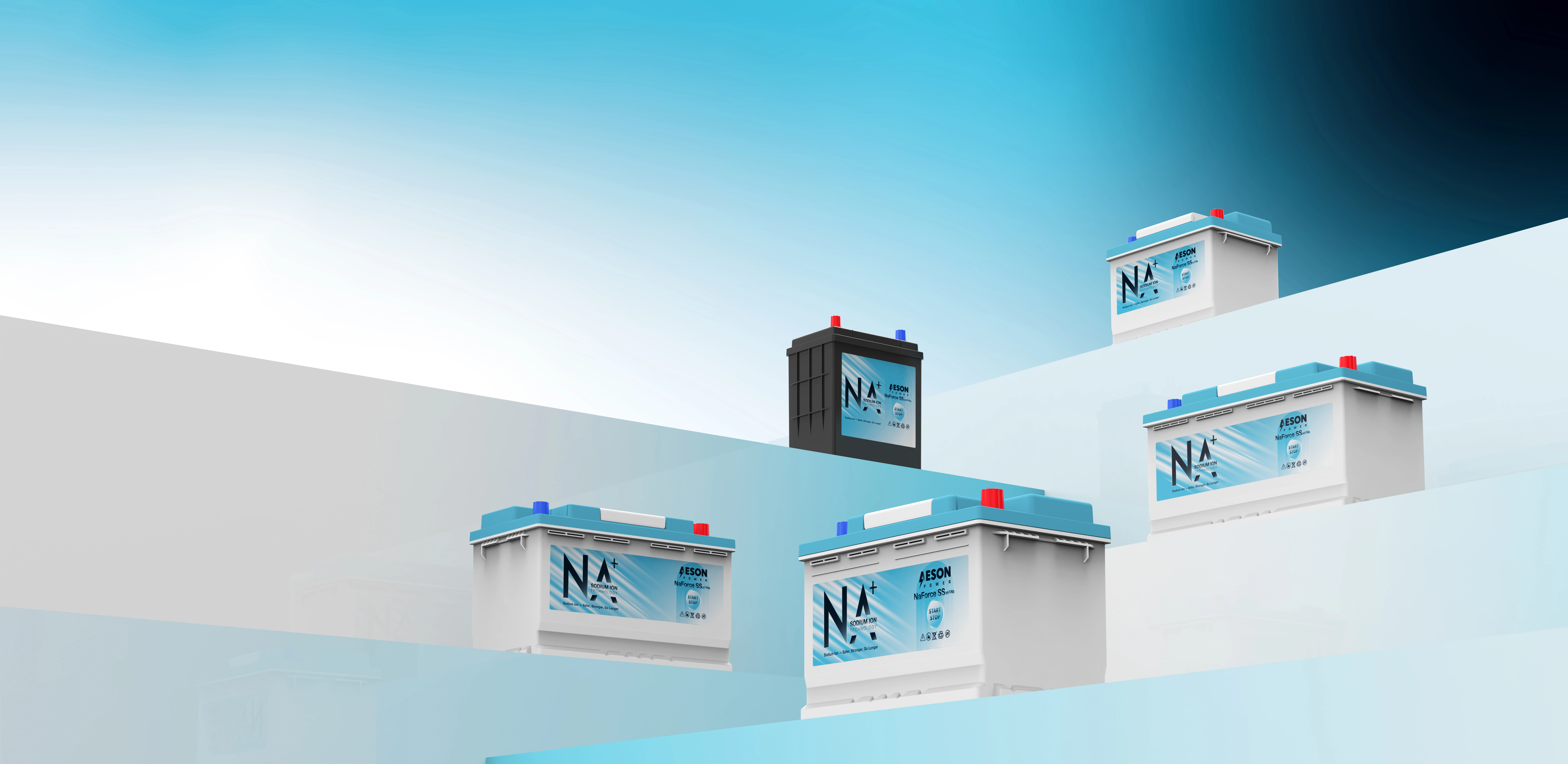
For example, the same broad category of battery may be considered for UPS support, a diesel generator set, energy storage, marine equipment, or a low-speed electric vehicle. An official technology page lists these as application areas for sodium-ion technology, while also describing different intended outcomes such as backup response, cranking, energy storage safety, marine durability, and performance for e-bikes and e-trikes. These statements identify possible application contexts; they do not by themselves establish that one product is suitable for every site or duty.
Record the context in a short requirements sheet. Include the expected load, starting or backup behaviour, duration, recharge pattern, temperature range, installation location, weight or volume limits, and the interfaces that must be retained. If a requirement is not yet known, mark it as open rather than filling the gap with a general technology assumption. That simple distinction improves the quality of later supplier questions.
Identify compatibility and responsibility questions
Compatibility has several layers. Electrical compatibility concerns voltage, current, charging control, protection, and the response expected by connected equipment. Mechanical compatibility concerns dimensions, mounting, access, terminals, and environmental protection. Operational compatibility concerns how the system is monitored, tested, maintained, isolated, and returned to service. Responsibility also matters: the procurement record should show which party is expected to confirm each interface.
A useful review table can assign each topic to one of three statuses: confirmed by available evidence, requiring supplier or integrator input, or dependent on a site decision. This is not a claim about regulatory compliance or a universal engineering method. It is a practical way to prevent a broad technology description from being treated as a complete design review.
- Application: What equipment will the battery support, and what operating event matters most?
- Interfaces: Which charger, inverter, starter circuit, monitoring system, or control protocol must work with it?
- Environment: What temperature, location, vibration, access, and enclosure conditions define the installation?
- Accountability: Who will confirm the battery, controls, installation arrangement, and commissioning requirements?
- Evidence: Which statement applies to the required product or application, rather than only to the general technology category?
Use page-level evidence without overstating it
Page-level evidence is most useful when its scope remains visible. One official page states that NFPP polyanion technology uses a stable cathode framework and describes claimed support for cycle life, thermal safety, and structural integrity. The same page identifies a positive electrode as a polyanion compound and a negative electrode as hard carbon in a vehicle starting battery context. Those statements can inform a technical discussion, but they should not be expanded into an unqualified claim about every battery, installation, or operating result.
In the middle of a review, sodium ion battery technology should therefore be compared against the stated requirement and the exact evidence scope. A team might ask whether a description applies to a cathode material, a battery design, a named application, or a complete installed system. It can then record what the page says, what the procurement requirement asks for, and what remains unresolved. This approach supports a fair comparison without treating marketing language as a substitute for application-specific documentation.
A real-world anchor illustrates the point. The official technology page describes NFPP polyanion chemistry as using strongly covalently bonded anionic groups and presents this framework as supporting cycle life, thermal safety, and structural integrity. That claim belongs to the technology and product/application scope described on that page. It does not establish performance or suitability for other products or applications. In a procurement record, the statement can be cited as relevant background while the system-level compatibility questions remain separate.
The same discipline applies to feature lists. The page describes advantages including high- and low-temperature performance, high-rate discharge, fast charging, enhanced safety, and extended battery life. Such descriptions can help define questions for a technical review. They do not, without a matching product scope and test context, provide a complete basis for predicting a particular site’s result. The review should ask what measurement, operating condition, and product configuration each statement concerns.
Plan the next technical discussion
The next discussion should turn the review into specific, answerable questions. Ask for the proposed battery configuration, applicable operating range, charging and control requirements, interface information, installation assumptions, maintenance provisions, and the evidence supporting the stated use case. Ask separately about the battery and the surrounding system so that responsibility does not become blurred.
It is also useful to create a decision record with four columns: site requirement, relevant page evidence, open technical question, and responsible party. This format keeps comparisons within scope and makes later changes easier to trace. If the application changes from vehicle starting to UPS support, for instance, the evidence should be reconsidered rather than carried across automatically. The same principle applies when a material-level description is being used to discuss a complete battery system.
A clear review of sodium-ion technology is consequently less about selecting a promising label and more about connecting evidence to the conditions in which the system must operate. By defining the site context, mapping interfaces, preserving the limits of page-level claims, and assigning open questions, operations teams can make procurement conversations more precise. The official material presented by AesonPower can serve as one bounded input to that conversation, while final compatibility decisions remain tied to the stated application and its technical requirements.