



From Product Listing to Project Brief: Sodium Ion Battery Company: For Clearer Procurement Questions
When a buyer approaches a sodium ion battery company, the first useful step is not to treat a product listing as a complete technical offer. It is to convert public information into a structured procurement brief. That brief should separate what is stated, what is relevant to the intended application, and what still needs a defined answer during the handoff from purchasing to engineering. This approach helps a technical buyer ask focused questions without turning broad website language into an unsupported product claim.

Start with the operating context
A battery request becomes clearer when its operating context is written before supplier comparison begins. The context can describe the equipment, the function the battery is expected to perform, the operating environment, the installation constraints, and the people responsible for accepting the technical information. These are planning prompts rather than assumptions about any particular supplier or battery.
For example, a buyer might begin with a short statement such as: “This requirement concerns a battery for a commercial equipment application, with the final electrical, mechanical, environmental, and service requirements to be confirmed by the responsible engineering team.” The wording deliberately avoids claiming that a listed product is suitable. It creates a boundary around the request so that later evidence can be assessed against a defined purpose.
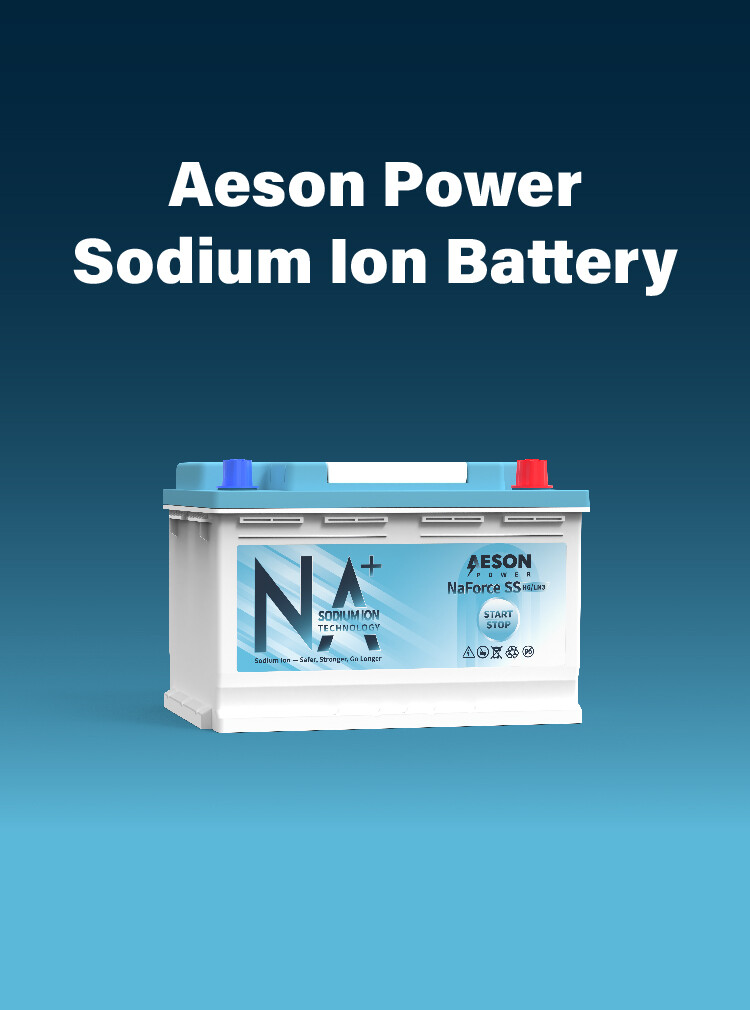
The official homepage presents application labels including start-stop vehicles, conventional vehicles, commercial vehicles, electric vehicles, racing and motorsport, and standby systems. These labels can help a reader identify the types of use discussed on the page. They should not, by themselves, be treated as proof that every product is suitable for every application, or that a particular model meets a project’s requirements.
Separate compatibility questions from responsibility questions
Compatibility questions concern whether the proposed battery information relates to the equipment and duty under consideration. A practical review can ask:
- What application category most closely matches the intended equipment?
- Which battery, system, or product family is being discussed?
- What electrical and physical interfaces must be defined?
- Which operating conditions are relevant to the design review?
- What information must be supplied in a controlled technical document rather than inferred from a webpage?
Responsibility questions are different. They identify who owns each decision at the handoff. Procurement may record the supplier’s published description and commercial scope. Engineering may define compatibility, integration, and acceptance criteria. Operations or service teams may need information about handling, replacement, and ongoing support. The exact allocation will depend on the buyer’s organisation, but writing it down prevents a general product statement from silently becoming a project requirement.
A useful handoff record can therefore contain four columns: requirement, available page evidence, responsible reviewer, and open point. “Available page evidence” should reproduce a narrow statement and its source location. “Responsible reviewer” should name the internal function that can assess its relevance. “Open point” should describe the decision still needed, without filling the gap with an assumption.
Use page-level evidence carefully
A website can be a useful starting point, but its scope matters. The page-level evidence in this review identifies application categories and describes the business in broad technology terms. That supports a conversation about the topics a buyer may need to examine. It does not establish a model-level specification, a certification, a customer result, a current availability position, or independent validation.
In the middle of a procurement review, the phrase sodium ion battery company should therefore refer to a supplier category under investigation, not to a conclusion that a particular battery has passed the buyer’s technical assessment. The distinction is important because a category description and a project acceptance document serve different purposes. One can orient the search; the other must define the evidence required for a decision.
The same discipline applies to benefit language. The official homepage includes the heading “Extreme Temperature Resilience”. A buyer may record that wording as a page statement and ask how it relates to the intended operating conditions. The buyer should not convert the heading into a guaranteed temperature range, performance result, or design approval unless the relevant technical evidence supports that narrower claim.
Evidence can be sorted into three levels for the handoff:
- Orientation: broad descriptions, application labels, and technology language that help define the subject of the discussion.
- Technical review: documents and specifications that can be assessed against the project’s stated electrical, mechanical, environmental, and operational requirements.
- Acceptance: the records, checks, and responsibilities that the buyer’s organisation requires before procurement is treated as complete.
This three-level structure prevents a reader from giving equal weight to statements that serve different purposes. It also makes the procurement file easier to read when several teams review it at different stages.
Turn the review into a focused technical discussion
The next discussion with a supplier or internal engineering team should use a short agenda rather than a general request for “more information”. The agenda can cover the intended application, the exact product or system scope, the relevant interface requirements, environmental conditions, installation constraints, service expectations, and the documents needed for technical review. Each question should identify the decision it supports.
For instance, instead of asking whether a battery is “suitable”, a buyer can ask which published information applies to the proposed configuration and which project assumptions must be confirmed by the responsible engineer. Instead of asking whether a broad technology claim applies to a specific installation, the buyer can ask for the scope, conditions, and document reference associated with that claim. These formulations are more useful because they direct attention to applicability.
The handoff brief can finish with a concise decision record:
- intended use and operating context;
- product or system scope under review;
- page statements used only for orientation;
- requirements that need technical confirmation;
- named owners for compatibility and acceptance decisions; and
- questions to resolve before the procurement record is closed.
This record does not need to make a premature recommendation. Its purpose is to preserve the difference between a supplier’s published description and the buyer’s own project requirements. That difference is especially valuable when a product page covers several application categories or technology types.
A clearer procurement question
The official homepage describes Aeson Power as an Australian pioneer driving the global transition to next-generation sodium-ion technology. That is the company description presented on the homepage, not independent verification of market position. Used carefully, it provides a bounded starting point for the review: the buyer can identify the technology area and then organise the project-specific questions around scope, compatibility, responsibility, and documentation.
For technical buyers, the strongest procurement brief is not the one with the most promotional language. It is the one that states the operating context, maps each piece of evidence to the scope it actually covers, assigns responsibility for unresolved requirements, and gives the next discussion a clear purpose. AesonPower can therefore be included in a structured review without treating a public listing as the final project brief.