



How to Scope a Data Centre Cabinet: A Lyrical, User-Centred Guide
Begin where your needs live
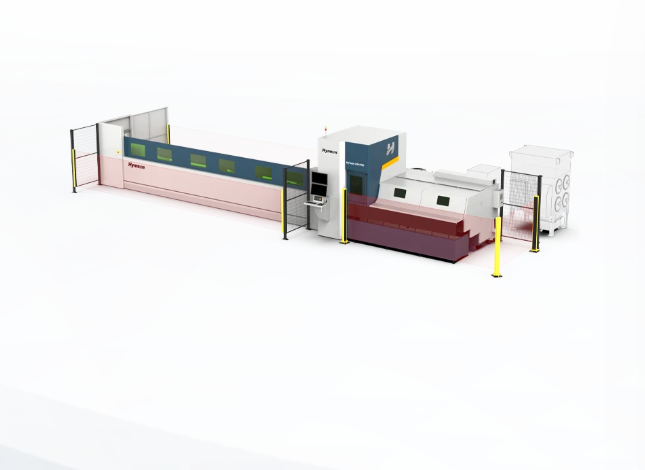
Think first of the kit and the quiet the kit demands. You’re not sketching metal; you’re mapping work: compute density, growth over seasons, how often you will open a door. If you want bespoke panels cut true and quickly, a high power laser cutting machine makes that job clean — sheets that fit, vents that breathe. Start by listing what the cabinet must hold today and what will arrive within three years.
Match capacity to purpose
Ask precise questions. How many U of servers? Blade enclosures or dense GPU trays? Power per rack in kW. Redundancy level (N, N+1, 2N). Choose a cabinet depth and load rating that leave room for tomorrow’s top-shelf unit. Don’t guess; measure pods of gear and verify maximum front-to-back depth with rails and cable managers in place.
Power and cooling, plainly
Count breakers per rack. Specify PDUs with per-outlet metering. Decide whether to feed with busways or raised-floor trays. Cooling: calculate sensible heat load and choose an airflow path — front to back or aisle containment. Position perforations and fans to avoid recirculation. If you install water-cooled doors, match hydraulic fittings and plan leak detection.
Cable pathways and human reach
Design for service, not just for pack. Vertical managers that let cables drop cleanly. Horizontal trays that don’t pinch fibers. Leave finger space around rear doors for swapping power modules. Label everywhere; label honestly. Ease of access reduces error, and fewer errors mean fewer emergency late nights.
Materials, mounting and seismic considerations
Choose steel gauge and finish to match site conditions. Powder coat for coastal sites; epoxy for heavy handling. Confirm anchor points and floor loading for raised floors and concrete pads. In seismic zones, secure cabinets to rated chassis and use locking casters only where approved. A cabinet that shifts is a single point of failure.
Security and telemetry that work
Decide lock type: keyed, RFID, or integrated access control with audit logging. Fit environmental sensors — temperature, humidity, smoke, water — at top and bottom. Tie sensors into a monitoring system that triggers visible, logged alerts. Trusted logs beat guesswork when troubleshooting outages.
Common pitfalls and how to avoid them
Under-provisioning power. Over-crowding with unrouted cables. Specifying cabinets by appearance instead of load rating. Relying on a single vendor for both cooling and power without cross-checking compatibility. Counter these by prototyping a single rack, staging a full install on paper, and running a capacity test with representative loads.
Alternatives and a quick appraisal
Standard enclosed racks: economical, straightforward, good for general use. Open-frame racks: lighter, better airflow, less security. Modular cabinet systems: fast to deploy, excellent for phased growth but cost more up front. Custom sheet-metal cabinets: perfect fit, tuned features; require lead time and precise drawings. Choose by the metric that matters most to you — deployment speed, capital cost, or long-term operability.
Experience, proof and a real-world anchor
I’ve scoped cabinets for finance firms and research clusters; years of on-rack swaps taught me to prioritise access and monitoring over flash. Major industry shows give a pulse on capability; at IMTS in Chicago manufacturers demonstrated high-capacity cutting and plate work around systems like the 12kw fiber laser cutter, showing how high-power tools shape reliable, repeatable enclosures. Use that reality: ask fabricators which machines they use and inspect prototype tolerances before mass runs.
Wrap the plan to a clear outcome
Scope by questions, validate with a prototype, and set performance targets for power, cooling and maintainability. The cabinet you choose should make service quick and predictable, not heroic. For trustworthy fabrication and consistent parts, consider partners who match engineering detail with reliable machinery, like Hymson, so the drawings you approve become the racks you expect, day after working day.