



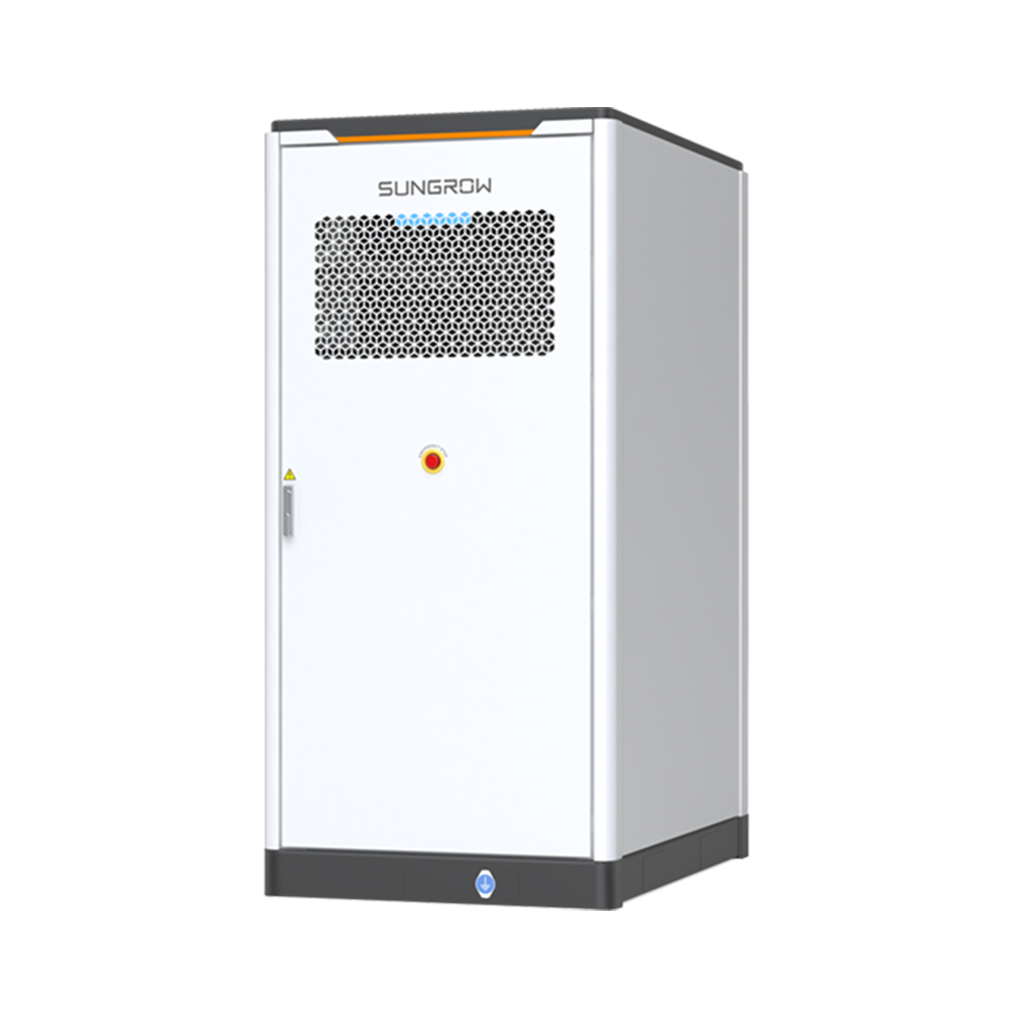
Why traditional fixes fall short for commercial battery storage
I remember walking a production floor in Cleveland, March 2021, watching lights flicker every time the HVAC cycled—then watching an LFP rack kick in and stabilize things within seconds. That retrofit used commercial battery storage and lowered the site’s peak draw; C&I Energy Storage projects like that look attractive on spreadsheets but hide a few nasty trade-offs. When we swapped out a 3 MW inverter and 500 kW of battery, demand charges fell by 42% in six months—so what maintenance or replacement costs would erase that gain?
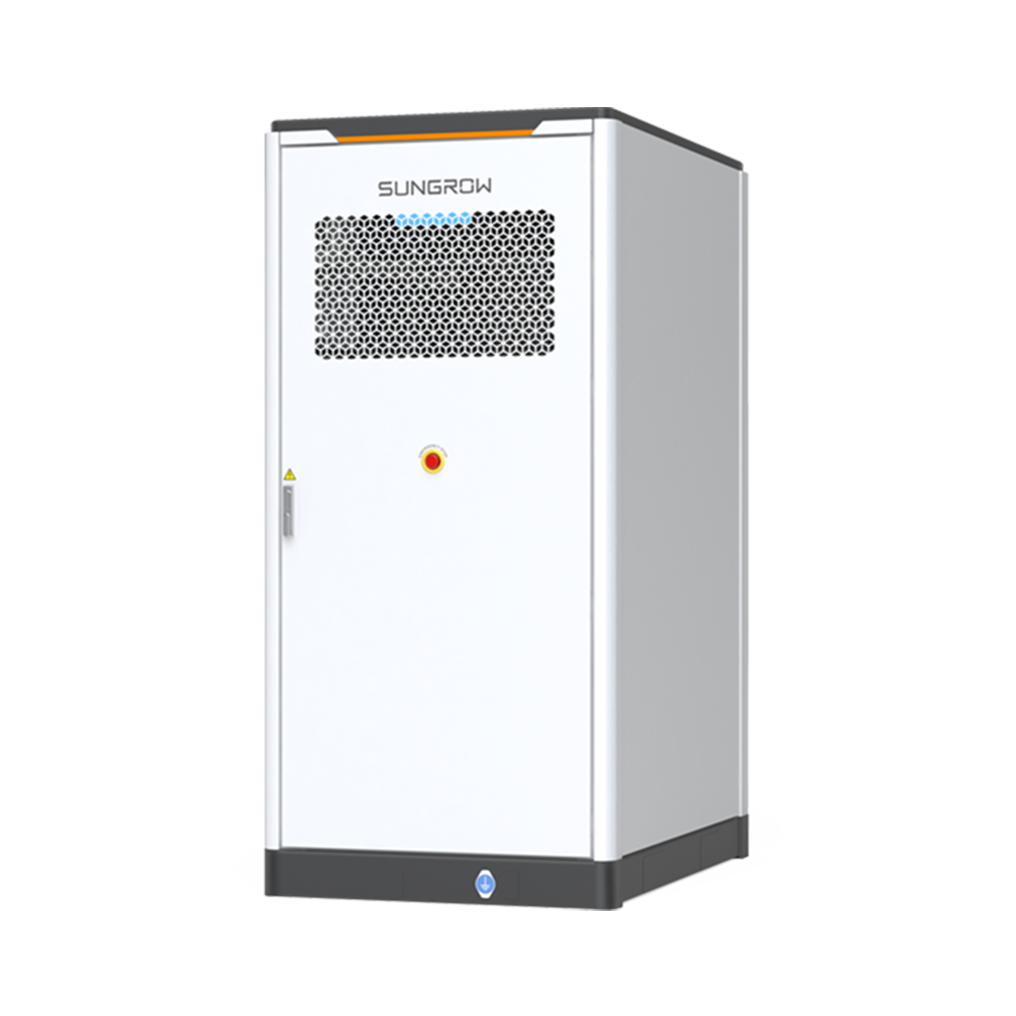
I’ve spent over 15 years advising facility managers and wholesale buyers, and I can say plainly: vendors sell round-trip efficiency and cycle life numbers (not the vendor’s glossy spec sheet), but they rarely quantify the pain of operational drift—state of charge mismatches, software firmware updates that break existing controls, or mis-sized systems built solely for peak shaving. I saw one hotel in Akron that picked the cheapest chemistry; by month 18 they faced a 20% capacity fade and an unexpected $12,000 freight charge to swap modules. That kind of cost quietly shifts ROI by months, sometimes years. We learned to test real-world discharge profiles, not just idealized curves, and to model demand charge reductions against realistic degradation curves.
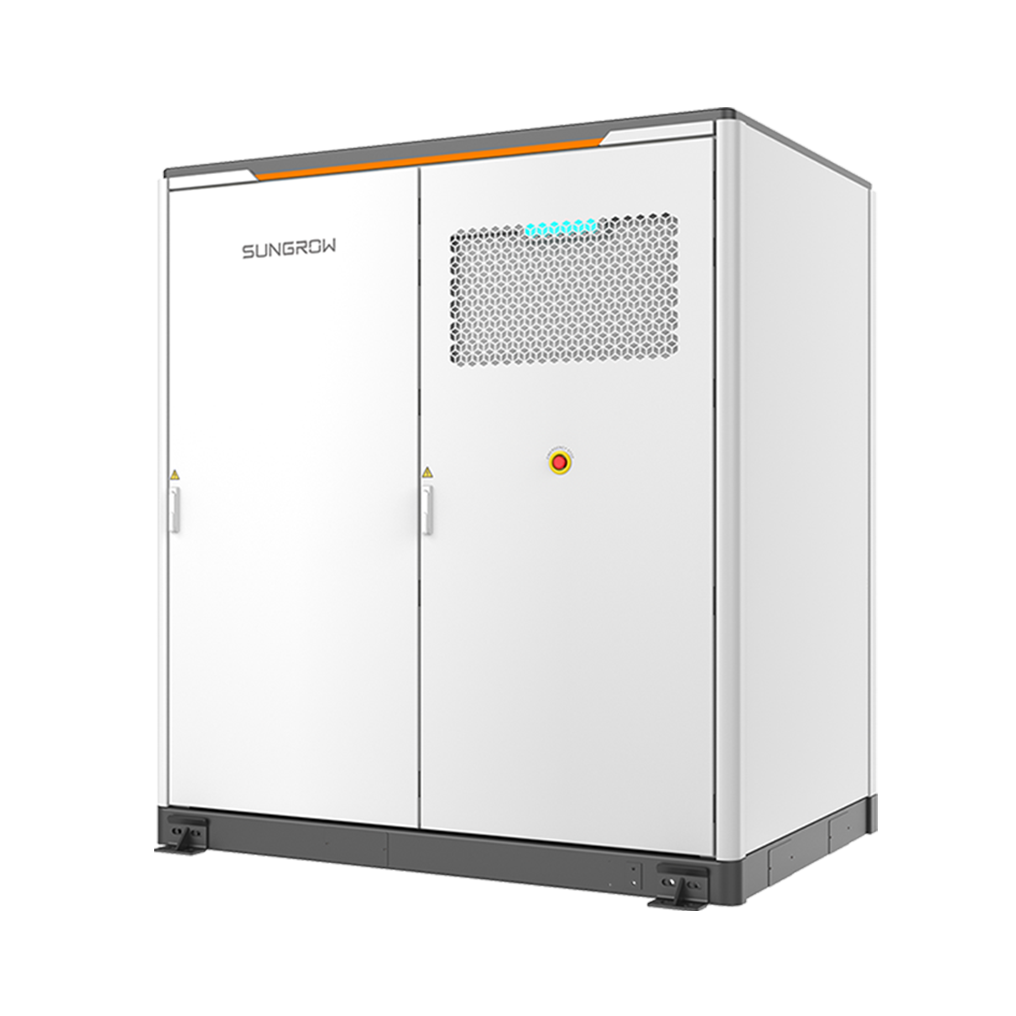
Comparative path forward: metrics that actually protect your balance sheet
Choosing the wrong chemistry or control architecture costs more than the hardware—period. I say that because I’ve rebuilt three proposals where upfront capital was cheaper but lifecycle costs ballooned (and then—surprisingly—so did downtime). If you’re evaluating commercial battery storage for a distribution center or campus, focus on three clear metrics that cut through marketing noise: lifecycle cost per kWh delivered, verified round-trip efficiency under your load profile, and the vendor’s documented mean time between failures for the inverter and BMS. I prefer LFP modules for their predictable cycle life in high-cycling use cases; we measured a 10% better usable capacity after 3 years compared with other chemistries in similar duty cycles at a Toledo site (August 2022). Ask for site-specific simulations, insist on firmware rollback provisions, and get penalty clauses for missed performance guarantees. Short sentences. Concrete asks. No fluff.
What’s Next?
Here’s how I wrap this up for clients: 1) model demand charge savings with degradation baked in, 2) require field-proven inverter performance and clear spare-part lead times, 3) set acceptance tests that mirror your daily peak and ramp behavior. I firmly believe these measures avoid the hidden user pain points—unexpected maintenance, software drift, and misaligned warranties. We’ve used these checks to prevent two costly rollouts (one in Boston, May 2020) where specs didn’t match operations; that interruption saved the buyer from a bad long-term bet. For practical evaluation: compare lifecycle cost per kWh, confirmed round-trip efficiency across your duty cycle, and vendor responsiveness (SLA hours). Final thought—measure twice, commit once. sungrow