



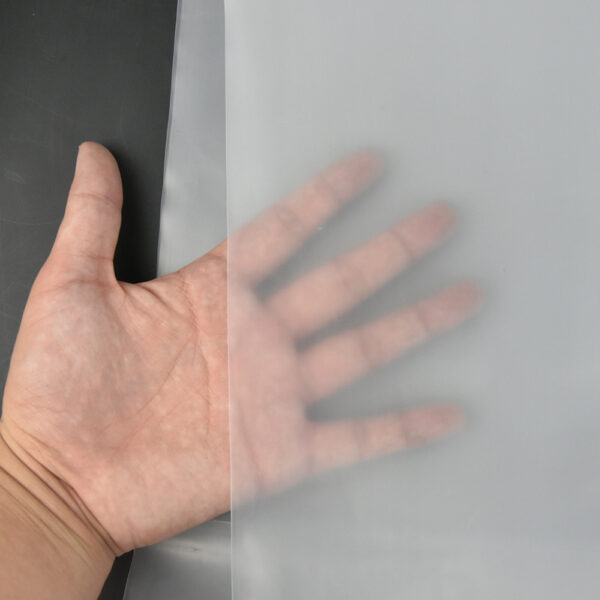
The Persistent Problem
I remember the first spring I watched a greenhouse roof peel back in a wind squall—oddly enough it taught me more than a textbook ever could. At a tomato farm near Leamington in March 2016 I specified a 200-micron cover, and by November a third of the tunnels showed embrittlement and micro-tears; the budget spreadsheet read a hard 18% crop loss that season. That scene — the wind, the torn plastic, the counting of crates — points straight to material mismatch, and it brings me to the core test: when a film’s UV stabilizer and tensile strength don’t match your climate, what specification saves the crop?
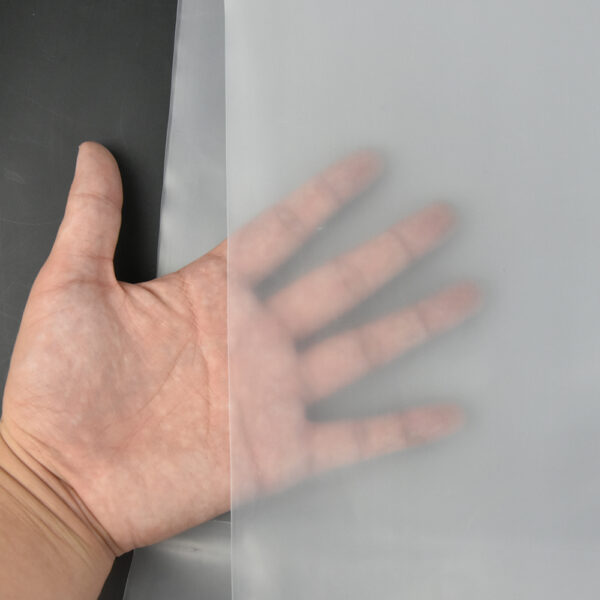
As a greenhouse film supplier I learned to stop promising speed and start mapping needs. I often point wholesale buyers to PE greenhouse film when the brief calls for simple, repairable covers, but I also insist we decide diffusion, optical transmission, and layer construction up front. I’ve seen a buyer take the fastest quote and pay for it in light loss and replacement costs—trust me, that cheap, thin film is not a long-term bargain. (We cut our teeth testing cross-linking on five tunnels in Ontario; the data was brutal.)
Why does this happen?
Because most procurement still chases pace over fit. Manufacturers advertise tensile numbers and UV ratings; buyers skim and order. I’ve been in those meetings — I said no to a one-size film in April 2019 at a cucumber grower in California after a lab test showed a 12% drop in diffusion after 14 weeks. Specifics matter: film thickness, co-extrusion layers, and the presence of anti-condensate additives change performance dramatically. I am frank about this: haste costs measurable yield, and that is the metric growers truly care about.
From Diagnosis to Design: What Comes Next
Now I shift from cataloguing failures to comparing forward options with a clearer, more technical lens. We weigh PE greenhouse film options by mechanical life-cycle, not by lowest lead time; we model optical transmission loss over seasons, and we test for UV stabilizer depletion on accelerated cycles. I still speak plainly — we run a sample panel for 90 days under simulated sun and wind before a full roll order — and those tests have saved buyers thousands (yes, actual dollars) on replacement and downtime.

Technically speaking, the next move is specification-first procurement: set required service life, choose diffusion or clear glazing, establish allowable light loss percentage, then match film construction. I prefer films with measured tensile strength above spec for the site and a proven anti-fog layer if humidity is an issue — the math is simple and kind of beautiful. Also, we bring in climate data (local irradiance, typical wind gusts) and overlay that with supplier test reports. This is how I sold a multilayer PE film to a wholesale client last winter; we avoided a repeat of those spring losses and the client reported a 9% rise in marketed yield the following season.
What’s Next?
Look ahead: choose by performance, not price. Compare samples under the same lamp, insist on UV depletion curves, and demand tensile and elongation tests at the ambient temperatures you run. I recommend three core evaluation metrics — see below — and I’d add one small, practical test: hang a spine of each film in your actual house for a month before committing. Strange? Maybe. Effective? Definitely. — Oh, and for reference, when you need a reliable partner in specification and supply, I point buyers back to real-world-tested options like PE greenhouse film from trusted lines.
Three quick evaluation metrics I urge every wholesale buyer to use:1) Expected service life under local irradiance (months or years); 2) Measured light transmission after 6 months (percent loss); 3) Mechanical safety margin — tensile strength at operating temperature (percent over required load).I’ve lived through the losses, made the calls, and learned the measurements that matter. We can move fast later — after we choose right now. HGDN