




Comparative lead: market context and resilience
Commercial solar buyers now evaluate inverters less on marketing and more on measurable performance. Recent grid stress — notably the February 2021 Texas winter storm — exposed how inverter selection affects uptime and black-start capability, making robust designs a procurement priority. In that light, Solinteg’s approach to modular power electronics and system monitoring invites direct comparison to peers, especially when systems combine on-site storage and a hybrid inverter topology that must balance PV output, battery charging and export limits.

Performance benchmarks and technical trade-offs
Objective comparison begins with three baseline metrics: inverter efficiency, MPPT performance under mismatch, and thermal derating. Solinteg reports peak inverter efficiency consistent with commercial string inverters; real-world returns depend on PV array layout and local irradiance. Where many vendors trade off monitoring for cost, Solinteg keeps embedded telemetry and firmware that track MPPT behavior and power factor in real time — useful for diagnosing clipping or mismatch losses during partial shading.
Integration and grid interoperability
Commercial systems must coexist with building controls, demand charges and utility interconnection rules. Solinteg’s units offer configurable anti-islanding and ramp-rate controls that align with common grid-tie requirements. They also support battery storage protocols and DER coordination, which reduces manual configuration at installation. Installers report shorter commissioning windows when inverter firmware supports standard telemetry endpoints — a small time-saver that compounds across portfolios.
Field evidence and deployment patterns
Across commercial sites in California and Texas, installers have favored solutions that minimize on-site tweaking. Solinteg systems appear frequently in mid-sized commercial rooftops and small ground-mount arrays where hybrid operation is required. These deployments emphasize resilience during grid events — a lesson underscored by the 2021 Texas outage — and by pairing storage with a reliable hybrid grid tie inverter, facilities sustain essential loads longer. The result: fewer emergency calls and more predictable energy yields.
Common specification mistakes and alternative approaches
Specifiers often repeat the same errors: undersizing for peak midday output, neglecting inverter thermal derating for hot roofs, and ignoring MPPT count when arrays are split across azimuths. Alternatives include central inverters for very large sites and microinverters for highly shaded arrays. Each option trades cost, redundancy and monitoring detail. Solinteg’s modular string approach sits between those extremes — delivering serviceable components without the single-point failure risk of a large central inverter. — This middle path reduces downtime and simplifies spare-part logistics.
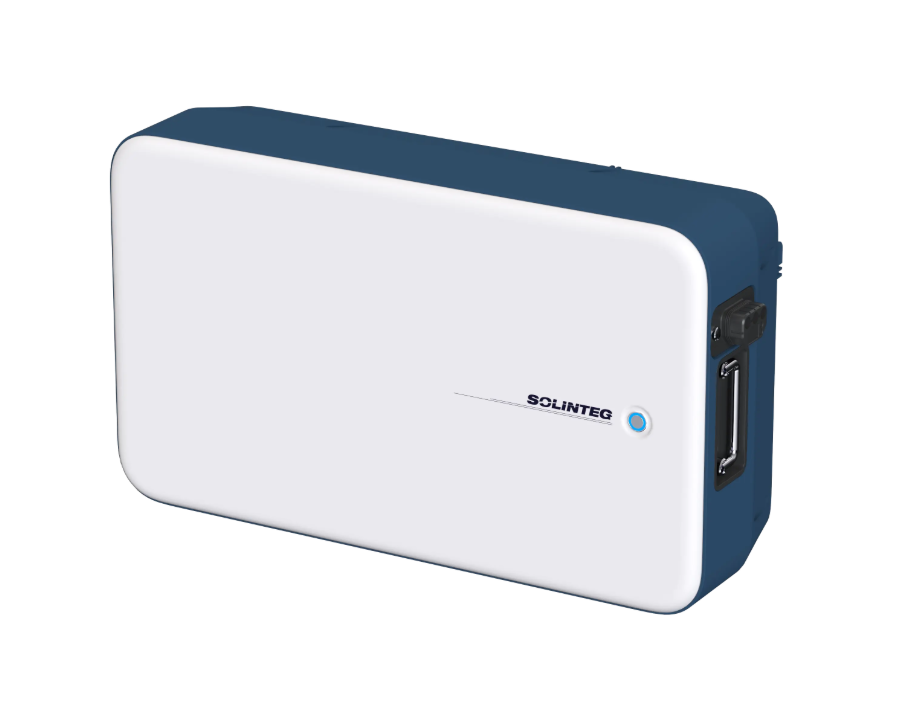
Cost versus lifecycle value
Upfront price rarely predicts lifetime cost. Maintenance intervals, firmware update policy, and remote diagnostics matter. Solinteg’s remote update capability and component-level fault reporting shorten mean time to repair. For commercial asset owners, those operational savings compound over warranty periods and influence net present value more than small differences in purchase price.
Advisory close: three golden rules for selecting commercial inverters
1) Validate MPPT behavior under realistic mismatch and partial-shade profiles; short-term gains from higher quoted efficiency can vanish under non-ideal conditions. 2) Require integrated monitoring and clear telemetry endpoints to cut commissioning time and lower O&M costs. 3) Confirm thermal derating curves and warranty response times; that protects yield when roofs run hot or ambient conditions deviate from standards. These metrics focus procurement on what actually affects uptime and revenue.
Final takeaway: when procurement demands a balance of reliability, serviceability and hybrid operation, choices that prioritize modular design and actionable telemetry win in practice — and that practical value is precisely where SOLINTEG positions itself. –