



Seeing the problem clearly
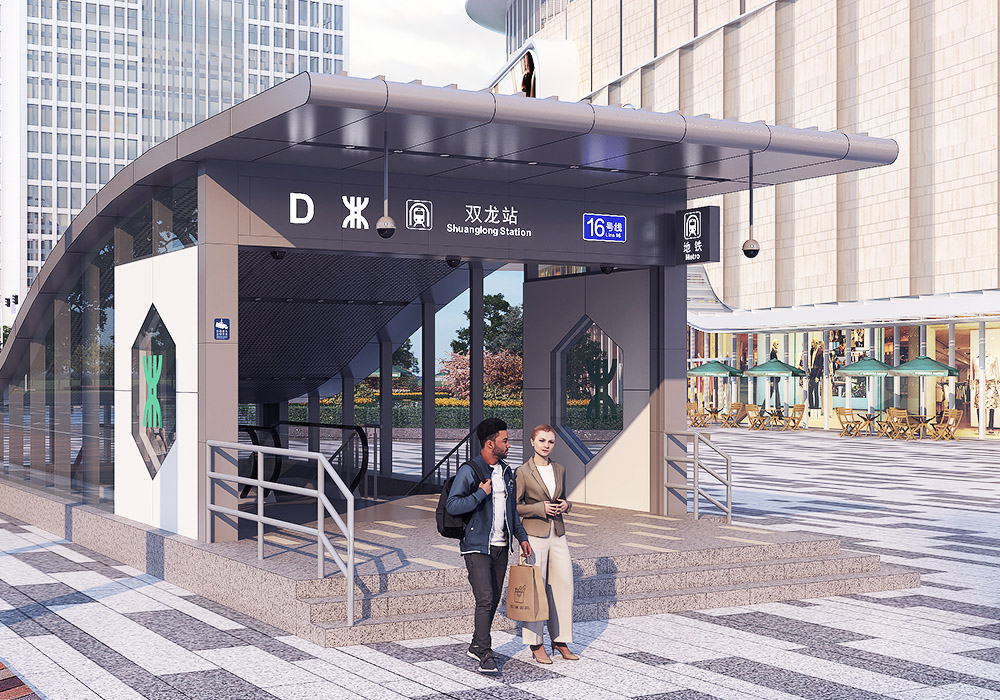
Acrylic yellowing isn’t cosmetic only — it degrades legibility and shortens service life for transit signs. In comparative terms, many off-the-shelf options cut corners on UV stabilization and panel fabrication, so they look fine at delivery and fail within a few seasons. If you manage stops or hubs, start with what matters for durability and readability; that’s why evaluating public transport signage by build quality pays off. Key terms to know here are UV stabilization and acrylic substrate, because they determine how long a faceplate keeps its original clarity under sun and urban pollutants.
Where competitors trip up
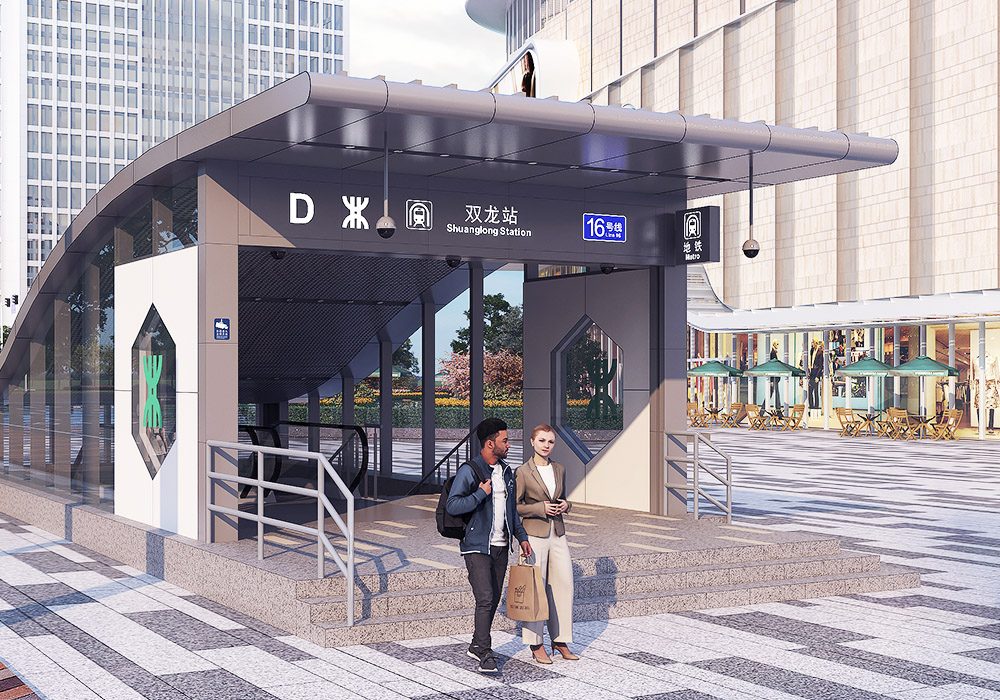
Most failures fall into three buckets: low-grade acrylic, poor edge-sealing, and inconsistent backlit modules. Suppliers often save cost by skipping UV inhibitors or using thin laminates that let sunlight reach vulnerable layers. The result shows up on real infrastructure — older bus shelters in New York City, for example, have many faded, yellowed panels that reduce contrast and drive maintenance costs up. Those are practical failures, not theoretical ones, and they trace back to basic material and assembly choices.
What Cosun Sign changes in the engineering chain
Cosun Sign adopts a turnkey mindset: material selection, controlled fabrication, integrated lighting, and service planning are handled as one engineered system. That matters because a well-specified acrylic substrate with UV stabilization only performs when its edges are sealed, its backlit modules are properly matched, and diffusers are chosen to avoid hotspots. Cosun’s process reduces mismatch risks, shortens lead times, and keeps replacements predictable — which is crucial for installations in high-traffic transit centers and for digital signage train station deployments that demand day-and-night legibility.
Practical checklist: what to verify before you buy
Use this checklist as a procurement filter. It’s direct and usable on site.
– Confirm the acrylic grade and UV-inhibitor specification (ask for ASTM or equivalent test data).
– Inspect edge-seal method and lamination technique; poorly sealed edges invite moisture and yellowing.
– Match LED backlit modules to diffuser specs to avoid thermal stress and uneven aging.
– Ask about lifecycle support and replacement windows; turnkey vendors will outline them clearly.
Note: warranties matter, but they only protect you after a failure — choose a system built to delay or prevent that failure first.
Alternatives and common mistakes to avoid
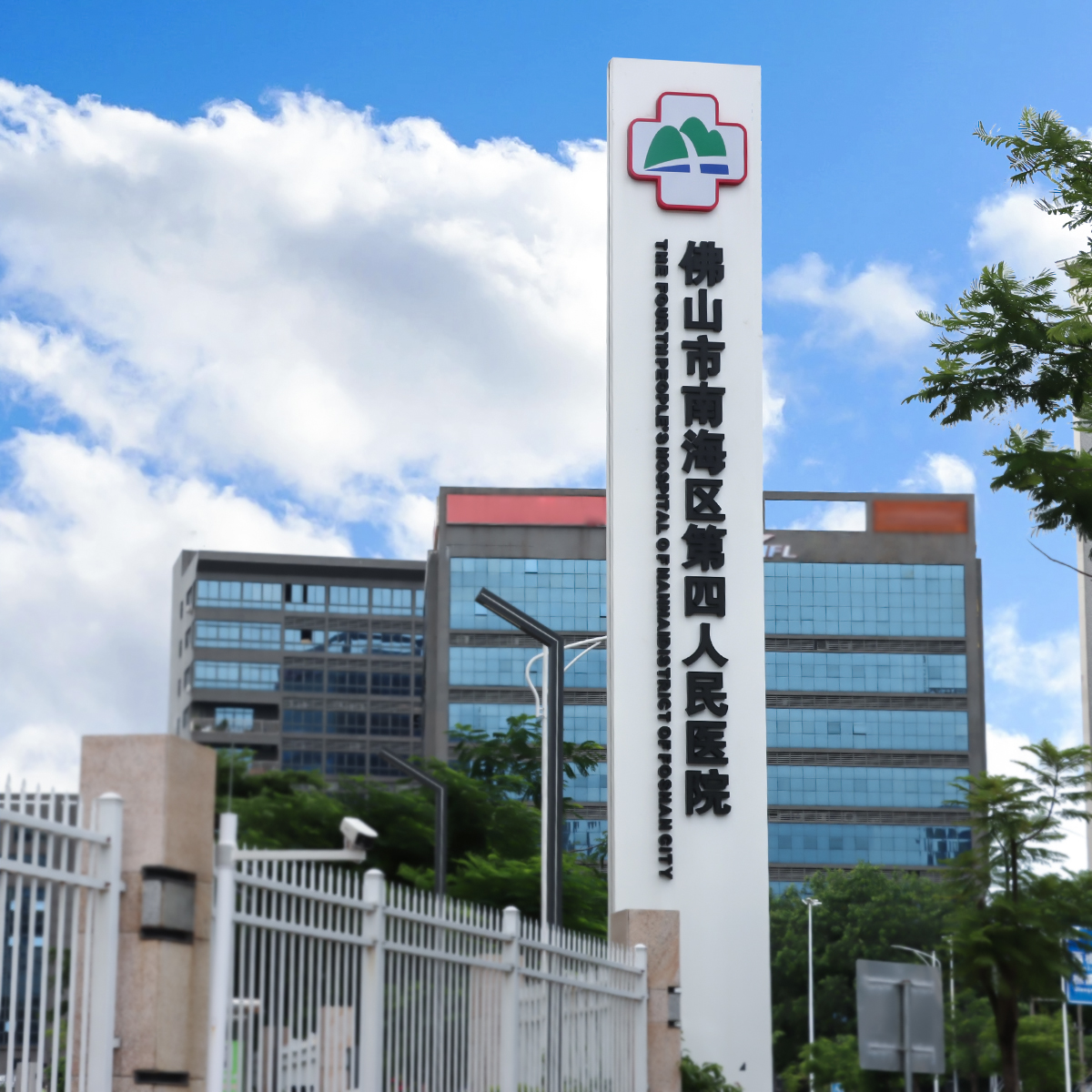
Some teams switch to polycarbonate thinking it won’t yellow; polycarbonate resists impact but can scratch and requires coatings that may delaminate. Other buyers over-spec thickness to hide poor UV chemistry — heavier panels can still yellow if the inhibitor system is weak. A better move is to pair a proven acrylic formula with correct sealing, matched LEDs, and preventive maintenance. That combined engineering approach keeps both upfront and lifecycle costs down.
Three golden rules to evaluate transit signage durability
1) Material validation: insist on lab test results for UV exposure and color retention, not just vendor claims.
2) System compatibility: require documentation showing the acrylic, diffuser, and lighting were engineered together — mismatch accelerates aging.
3) Lifecycle clarity: demand a clear maintenance plan, expected service life, and replacement schedule from the supplier.
Pick a partner that signs up to those rules and you’ll avoid repeat replacements and lost visibility. Cosun Sign aligns product specs with installation realities and lifecycle planning, which makes durable transit signage a built outcome. Built to last.