



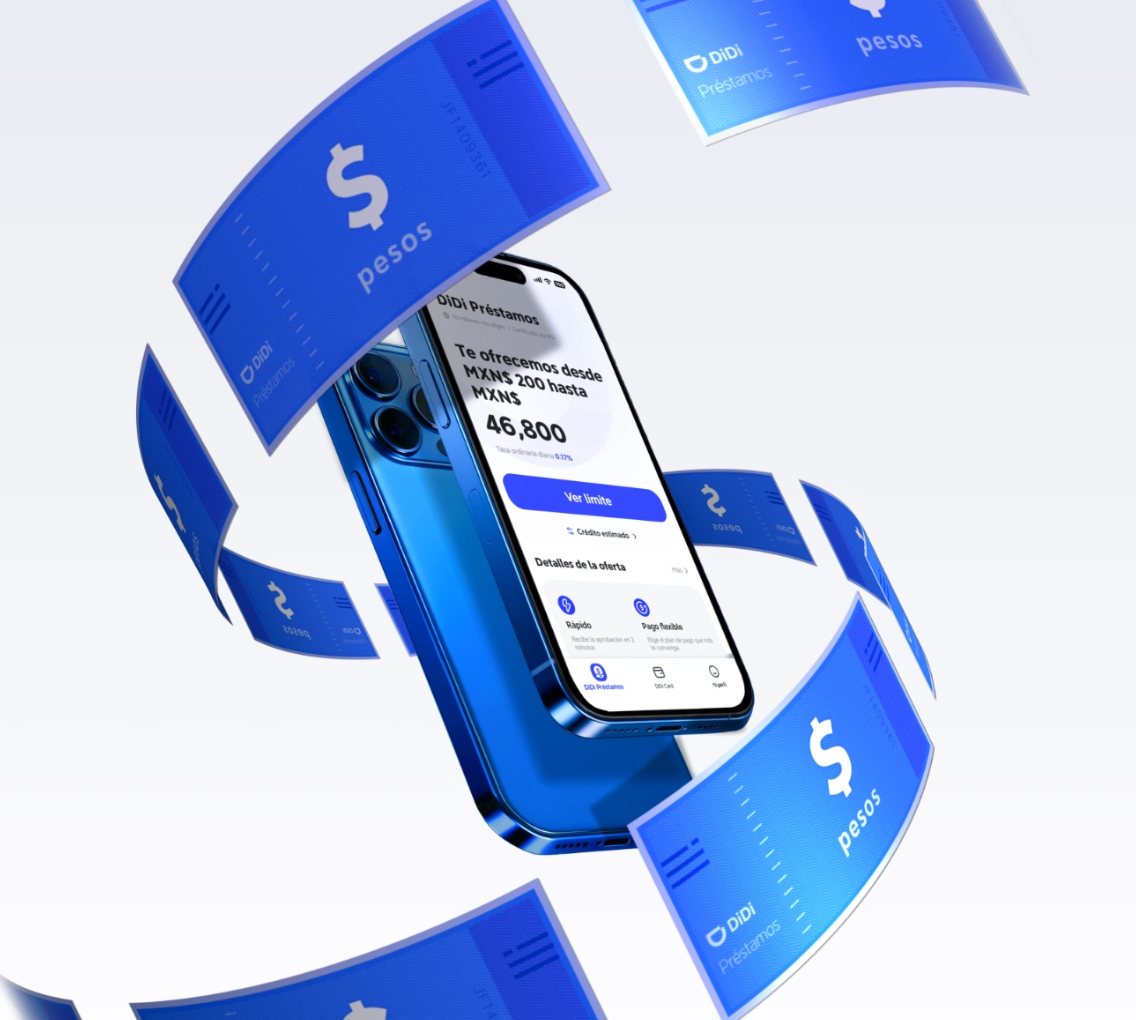
Start here — a practical first step
If you have little or no credit history, you can still begin building a reliable record with small, disciplined moves using the didi card. This option focuses on interest-free installment plans that let you make predictable payments while reporting activity that helps shape a credit score over time. Think of it as a controlled way to establish payment history without facing high interest rates or large upfront risk.
How the didi card works in real-world contexts
DiDi Finanzas packages credit into short-term installment plans tied to everyday spending. After a simple verification, the card lets you convert eligible purchases into fixed “months without interest” payments. This setup gives you an installment plan without a traditional line of credit being the first step. Since Mexico passed its 2018 Fintech Law, regulated fintechs have rolled out safer onboarding and clearer disclosures—this regulatory shift is a real-world anchor showing why digital programs like DiDi’s can scale responsibly in cities such as Mexico City.
Step-by-step to apply and common mistakes to avoid
Follow these steps to keep progress steady and measurable:
– Start with small purchases that you can comfortably split into the interest-free months. – Automate payments so you never miss a due date; consistent on-time payments influence credit records more than one-off large purchases. – Check eligibility requirements and upload accurate documents during application to avoid delays.
Common mistakes to avoid — don’t overextend just because the monthly payment looks low. A too-large number of active installment agreements can strain cash flow. Also, avoid skipping statements assuming the plan stays interest-free forever—missing a payment may trigger fees and retroactive interest. A measured approach keeps your credit profile clean and predictable.
Alternatives and quick comparisons
Not every interest-free option serves the same purpose. Here are concise comparisons to help you decide:
– Traditional bank cards: often require an established record with a credit bureau and may offer larger limits but stricter underwriting. – Store-branded installment plans: easy to access for single retailers but limited utility and mixed reporting to credit bureaus. – DiDi’s approach: lower friction onboarding for new borrowers, focused reporting from repeated, small installment usage to build credit profile.
When you choose, focus on what you will use regularly. Consistency beats occasional big purchases for building a reliable credit score.
Advisory — three metrics to judge any interest-free card
Use these three evaluation metrics before committing. They’re practical and measurable.
1) Reporting frequency and to whom: Verify that on-time payments are reported to recognized credit bureaus or relevant scoring systems—regular reporting translates to visible credit history growth. 2) True cost if you miss a payment: Compare the penalty APR or fees that apply when installments are late; a low advertised interest rate becomes irrelevant if penalties are punitive. 3) Usability across merchants: Prefer a card that lets you split everyday purchases into interest-free months rather than one tied to a single store—broader utility accelerates consistent usage and reporting.
These metrics help you pick a solution that fits your cash flow and long-term goals. For many starting without a credit history, DiDi’s model aligns the convenience of ride-hailing financial access with responsible credit-building mechanics — the practical value shows up month after month. DiDi Finanzas. — Start small.