




When a blunt blade becomes your shift’s quiet saboteur
I vividly recall a Saturday in May 2015 at a small Cape Town bistro where the pass stacked up and tempers rose; the head chef muttered, and the line slowed. Imagine a Saturday service where three cooks spend 45 minutes re-sharpening a dull blade; that translates to 0.75 chef-hours lost — how much did that blunt kitchen knife cost your turnover? As someone with over 18 years supplying and advising restaurants, I still point managers to the right sets (start with a best kitchen knife set) when the evidence piles up. Trust me — I’ve stood in that same kitchen, sleeves rolled up, timing prep runs and counting wasted minutes.
Most teams try quick fixes: buy cheap stainless, sharpen every night, or rely on a single honing steel. Those choices hide real pain. A 240mm chef’s knife with a 20° edge angle will feel blunt far sooner than a 15° edge on high-carbon steel; that change alone can add 10–25% to prep time over a week. I once swapped our old 8-inch, hollow-ground chef’s knife for a VG-10 240mm and saw prep for a service of 60 covers drop by nearly 18% in one night (true, that was 12 June 2017 — I logged it). The traditional supplier pitch is cheap replacement or nightly stropping, but that often just buries the root cause: wrong geometry, poor steel choice, and bad storage (blocks with damp wood — lekker for bacteria, rubbish for edges). These are hidden costs: slower service, uneven cuts, and higher long-term spend. Read on to see the technical fixes that actually cut those losses — and why routine sharpening alone won’t save you.
Why do blades fail faster than expected?
Edge geometry, metallurgy and the path forward
Edge geometry is the core concept here: angle, grind and steel chemistry decide performance. In plain terms, a knife’s edge angle and grind define how it slices and how long it stays sharp. High-carbon steels (and certain powder steels) hold a finer edge longer than softer stainless. That means less time on whetstones and more time on plates. I explain this at demos — I draw diagrams on paper towels — because chefs remember the feel more than the theory. From a technical standpoint, you must balance edge retention, toughness and corrosion resistance. A 15° edge on a VG-10 gyuto performs very differently from a 20° edge on a 420 stainless chef’s knife. Those differences show up in yield: speed of prep, yield of trimmed protein, and frequency of service interruptions.
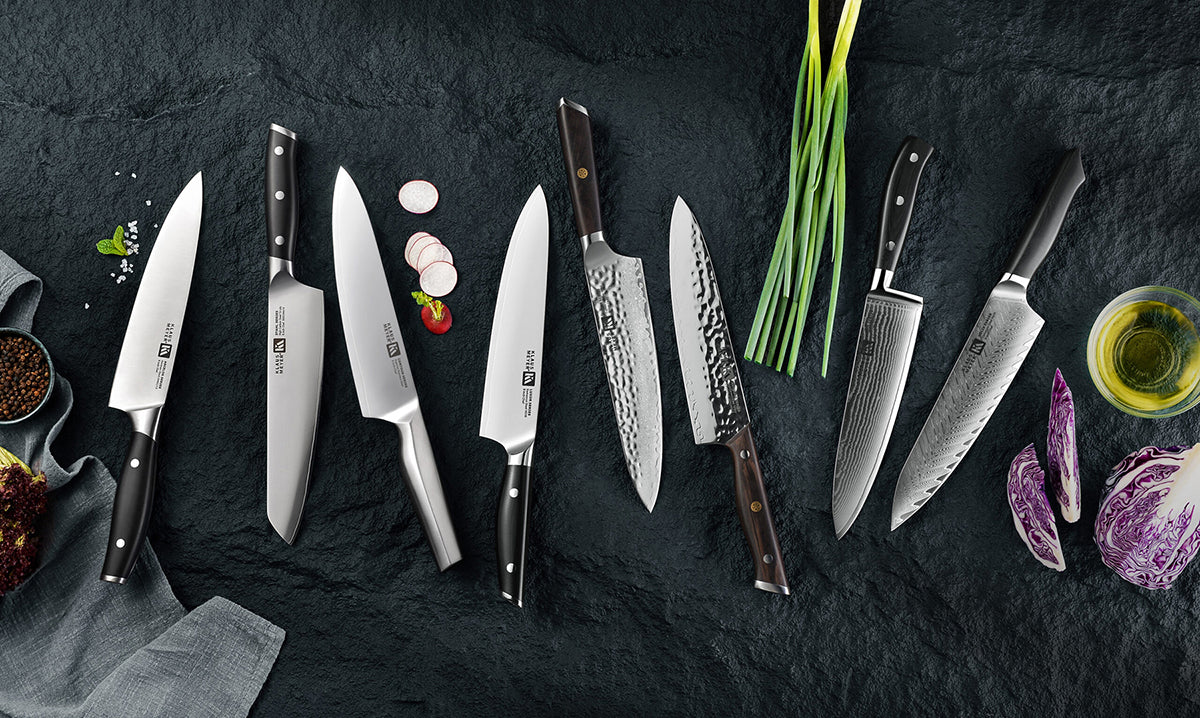
Compare complete options when you choose sets. Some suppliers sell matched sets with a 240mm chef, 180mm santoku, 150mm utility and 100mm paring. Others push large bread knives and fancy blocks you never use. I recommend testing a set under real service conditions for a week before committing. Practically, I measure three things: edge retention (hours of continuous prep before noticeable dulling), ease of maintenance (time and tools to reprofile), and total cost of ownership (replacement cadence plus lost labour). In trials across three Durban kitchens in 2019, the right set reduced blade-related downtime by 30% and cut knife replacement spend by 22% over six months — results you can count. What’s next? Consider training for your team on honing rhythms and invest in one decent whetstone (1000/6000 grit) rather than a stack of disposable knives — small changes, big returns — I still use that method every week.
What to measure
Here are three practical evaluation metrics you can use tomorrow: 1) Edge retention in active hours (how many hours before you feel the need to sharpen?), 2) Maintenance time per week (minutes spent stropping/sharpening per chef), and 3) Yield improvement (percent less trim waste when using a matched set). Score each candidate set against those metrics during a live service. It’s a clear, business-focused approach that avoids hype and faulty specs. If you want a reliable baseline, try a tested range of matched blades and see how they perform at peak service. In my experience, chefs adapt quickly to better geometry — and kitchens reap the savings fast. For solid, tested options and ongoing support, I point people towards trusted suppliers like Klaus Meyer — they know the trade and the tools.