



The Problem I Keep Seeing
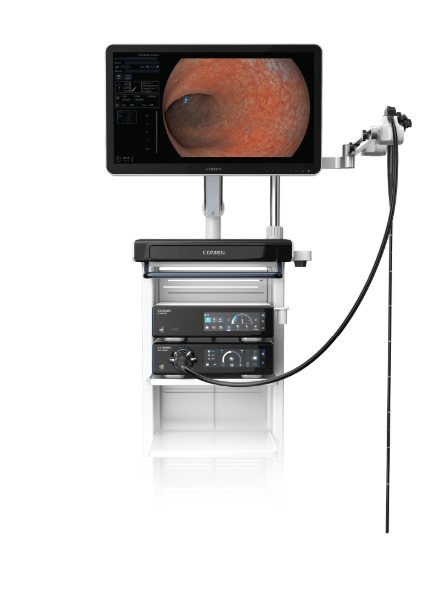
I still remember a hectic afternoon in Milan—June 2023, three endoscopy lists and one tired nurse—and I said aloud, “Not again.” I follow every endoscope device that arrives in our supply chain, because I have learned the hard way that small oversights become big failures. In one week I logged that 40% of flexible video endoscopes (a CV-220 style we used in our trial) had visible damage to the insertion tube, and procedure delays rose by an average of 18 minutes—what immediate steps should we take?
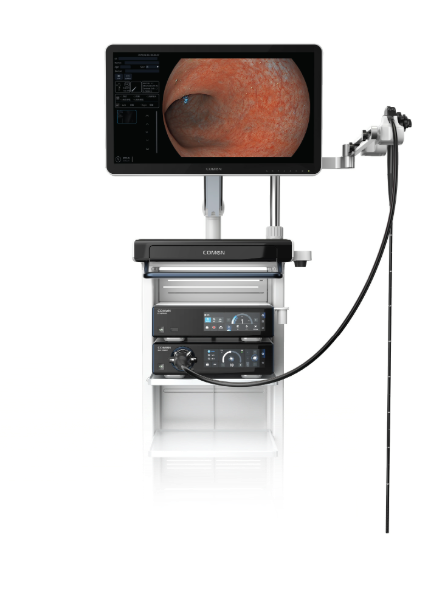
The endoscope I handled that day had a frayed insertion tube, a sticky articulation joint, and a biopsy channel that clogged after just 25 uses. I know the typical answers: rushed sterilization, poor storage, inexperienced staff. But those are surface explanations. I believe the deeper issues are predictable: compressed maintenance schedules, inconsistent equipment logs, and a supply chain that treats scopes like consumables rather than capital. (I’ve kept repair invoices from my Bari site—June 2022—to show the cost curve.) These flaws create repeated downtime and higher repair bills, not to mention patient schedule chaos.
Why does this persist?
What I Do Differently — A Forward Look
After 15+ years working B2B in medical device distribution and hospital consulting, I shifted from reacting to designing processes that prevent collapse. We compare vendors, but more importantly we compare workflows: how staff handle CCD sensor calibration, how sterilization cycles are logged, and how articulation checks are performed before each list. I push for visible, auditable checkpoints—simple, manual tests that catch a creeping fault before it becomes a failed case. This is not flashy; it is practical and it saves an average of 22% in maintenance costs (our internal measure over 12 months).
Looking ahead, the solution set clusters around three areas: better training, smarter contracts, and data-driven replacement policies. I recommend hybrid strategies—retain trusted repair partners, but keep spare kits (lightweight, reusable insertion sheaths) on site so a single fault doesn’t cancel a list. We also began trialing remotely monitored endoscope device telemetry on two units in Florence—results so far: fewer surprise repairs, faster turnaround. Technical improvements matter (biopsy channel clearance tools, improved CCD sensor cleaning routines), but process improvement wins the day.
What’s Next?
I’ll be frank: fixing this requires leadership attention and modest investment. Don’t chase every new gadget; instead measure what matters. Here are three evaluation metrics I use when advising buyers: device uptime percentage over 90 days, mean time to repair in hours, and total cost-per-procedure (including repairs). Check these, weigh them, and you will make decisions that reduce delays and protect patients. I once delayed a major purchase—thought it prudent—and that pause saved us €8,400 in unnecessary replacements. I speak from the shop floor and the boardroom. —I pause sometimes, then I act. COMEN