



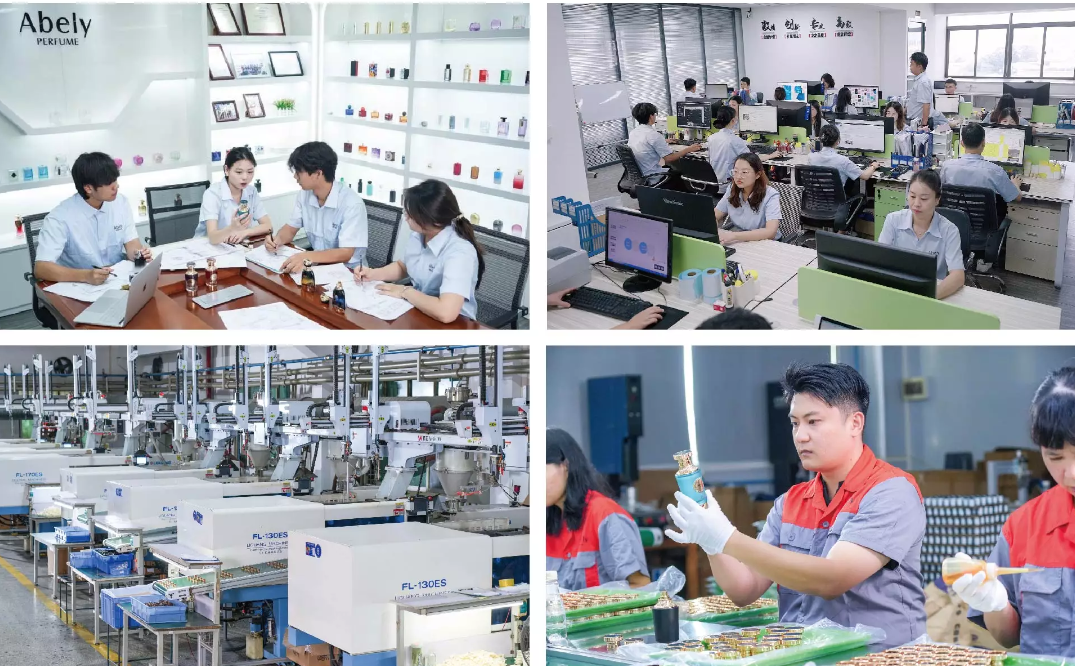
Why the coating choice still decides shelf success
Choosing the right finish for an empty perfume bottle isn’t just aesthetic—it’s strategy. Cosmetic brands juggle look, touch, cost, and long-term durability, and the coating you pick will affect manufacturing yield, transport resilience, and the consumer’s first impression. In a market where packaging often communicates luxury before the scent does, coatings are a silent brand ambassador.
How common coating technologies stack up
Here’s a clear comparison to help you decide quickly. I’ll focus on finishes you’ll actually encounter in production runs.
– Lacquer (water- or solvent-based): affordable, easy to apply, wide color range. Best for short runs and standard gloss or satin looks. – Vacuum metallization / Metalized layers: high-impact metallic appearance with good reflectivity; can be fragile unless sealed. Premium look, medium cost. – PVD and sputter coatings: extreme uniformity and luxury sheen; higher setup cost, excellent durability for limited color palettes. – Soft-touch and tactile coatings: strong brand differentiation via feel; can wear with abrasion unless cured properly. – UV-cured coatings: fast cure times and excellent chemical resistance—great for high-speed lines but requires precise process control.
Think through trade-offs: metallized finishes look premium but can scuff, while UV coatings hold up better on the shelf. And yes—water-based lacquers often satisfy sustainability goals but need tighter climate control during application.
Regulation and sustainability — what you can’t ignore
The European Green Deal and rising packaging scrutiny mean solvent VOCs, recycling compatibility, and material traceability are top of mind for buyers and regulators. Even if you’re producing outside the EU, retailers in Paris or Amsterdam will ask about compliance. Choose coatings that minimize harmful emissions and are compatible with recycling streams if you want global shelf access.
Real-world pitfalls and how brands mess them up
Common mistakes are surprisingly consistent. Brands skip adhesion and chemical compatibility tests, assume a supplier’s standard mix will match across batches, or prioritize short-term cost savings that blow up at scale. The most frequent fail: not testing the finish against the fragrance itself—ethanol-based blends can affect certain coatings. That mismatch shows up later as peeling or discoloration—avoidable with robust prototyping and cross-functional sign-offs.
Practical supplier comparison checklist
When you evaluate coating vendors, use these practical checkpoints to compare apples-to-apples:
– Adhesion and abrasion test results (quantified). – Accelerated aging and colorfastness data. – Batch-to-batch color tolerance (ΔE values). – Environmental and safety certifications. – Technical support for line integration and curing parameters.
Don’t skip site visits if you can—seeing finished runs in person reveals issues numbers alone won’t. —And don’t assume digital mock-ups reflect real-world wear.
Common alternatives and when to pick them
If you want a mirrored effect but need better toughness, pair metallization with a thin UV topcoat. If tactile premium is your aim but you’ll ship internationally, choose cured soft-touch formulas with validated wear tests. For limited editions, PVD or specialty lacquers justify the cost; for high-volume SKUs, optimized water-based lacquers hit the balance of cost and compliance.
Three golden rules for final selection
Follow these critical metrics before signing off:
1) Durability over drama: prioritize adhesion and abrasion metrics that match your handling and retail conditions. 2) Compatibility first: test the coating with the actual fragrance and cap materials. 3) Scale-readiness: verify supplier consistency data and line support to avoid surprises at mass production.
Putting it together — where Abely fits
For teams that need reliable runs and technical partnership, look for suppliers who combine formulation expertise with production transparency—those traits cut lead times and rejection rates. A partner like Abely can be a natural fit when you want consistent color matches, tested finishes, and practical guidance that links design intent to manufacturability. Expect fewer surprises, tighter tolerances, and packaging that actually performs in the hands of consumers. Proven, practical, dependable.
Small wins matter.