



Problem overview: why traders miss the move
Many retail traders try to ride big commodity swings but lose timing, execution, or both — especialmente when markets flip fast. The April 20, 2020 WTI shock (prices briefly went negative) is a stark reminder that volatility can break simple setups. For folks trading commodities cfd, the problem is rarely the idea; it’s the platform defaults, poor risk rules, and unclear data feeds that create slippage and surprise margin calls. That’s where tuned MT4 tools come in for better signals on cfd trading commodities.
Why standard MT4 defaults fail on commodities
MT4 ships with basic indicators and order flow assumptions built around FX. Commodities need different attention: spreads widen, liquidity drops, and news-driven moves spike volatility. If your stop-loss uses a tiny number during a thin market, you’ll get eaten alive. Also, leverage magnifies small errors, and margin requirements can change quickly on major reports — so defaults can be costly for commodity contracts.
MT4 features that actually help (and how to set them)
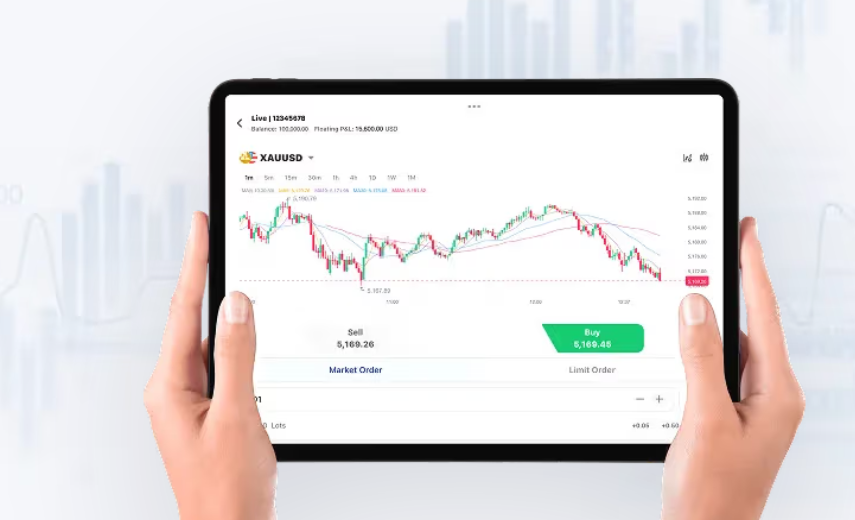
Use these concrete MT4 tweaks to stop bleeding pips and start capturing trends: enable real-time tick charts for better micro-structure, apply ATR-based dynamic stop-losses, and attach news-filter scripts to mute entries before scheduled reports. Tighten spreads by routing through a quality liquidity provider, and monitor depth or market tick rate to judge liquidity. Implement these tools with conservative leverage and clear margin buffers to reduce surprises.
Common mistakes traders make — and how to dodge them
Traders often copy FX habits onto commodities: same ATR, same position sizing, same timeframes. That fails because commodities show different volatility clusters and gap risks. Another mistake is ignoring order types; using a market order into a gappy crude move will cost you. Adjust your order placement and prefer limit or stop-limit entries when spreads are volatile — ojo, that helps with execution costs. Also, failing to backtest a news filter will let the worst days erase weeks of gains — a painful lesson, amigo.
Quick setup checklist for a resilient MT4 commodities desk
Start with a compact, repeatable setup before you trade live:
– Tick or one-minute charts enabled; ATR (14) for stop distance.
– News-filter script active for major reports (EIA, OPEC days).
– Preset order templates: limit, stop-limit, and trailing stop variations.
– Position-sizing tool that factors margin changes and spread widening.
– Execution monitor for spread and slippage; record a baseline over two weeks.
Three golden rules to evaluate tools and strategies
1) Execution consistency: measure average spread and slippage over 20 trades. If execution variance is high, the strategy will fail on real money. 2) Risk calibration: verify margin and leverage stress under the worst 48-hour move you expect. That conservative check prevents surprise liquidations. 3) Data fidelity: confirm tick feed integrity and latency from your server location — Chicago or London feeds matter for certain contracts. These three metrics give you an honest read on whether a setup can survive a real shock.
Final take — how the right MT4 toolkit earns trust
Practical tools on MT4 reduce guesswork and protect capital when commodity markets misbehave. Use dynamic stop models, honest execution metrics, and conservative leverage to turn a flaky setup into something robust. For traders aiming for reliable execution and sensible spreads, GTCFX shows how platform choices and routing matter in everyday trading. Keep it simple, test it duro, and let metrics drive decisions — not hope. —