



Start with the problem
Mixing PV arrays, batteries, and the utility grid creates three core problems: unpredictable supply, conflicting control logic, and safety compliance. You want reliable backup, smart charging, and clean exports without surprise blackouts or blown components. That’s why projects often shift to an off-grid solar system mindset even when the grid’s present. Real events—like the recovery effort in Puerto Rico after Hurricane Maria—make the stakes clear: systems that can island safely and sustain critical loads win. Tackle these problems step by step. Breathe. Then plan.
Assess loads and goals
Get specific. List critical loads, run-time targets, and peak demand. Ask: do you need full-home backup or critical-circuit resilience? Estimate these fast:- Daily kWh and largest single-start load (HVAC, pump, well).- Desired autonomy hours or days.- Roof area, orientation, and shading for PV sizing.A concise assessment defines inverter rating, battery capacity, and control logic. Don’t guess.
Choose the right hybrid inverter
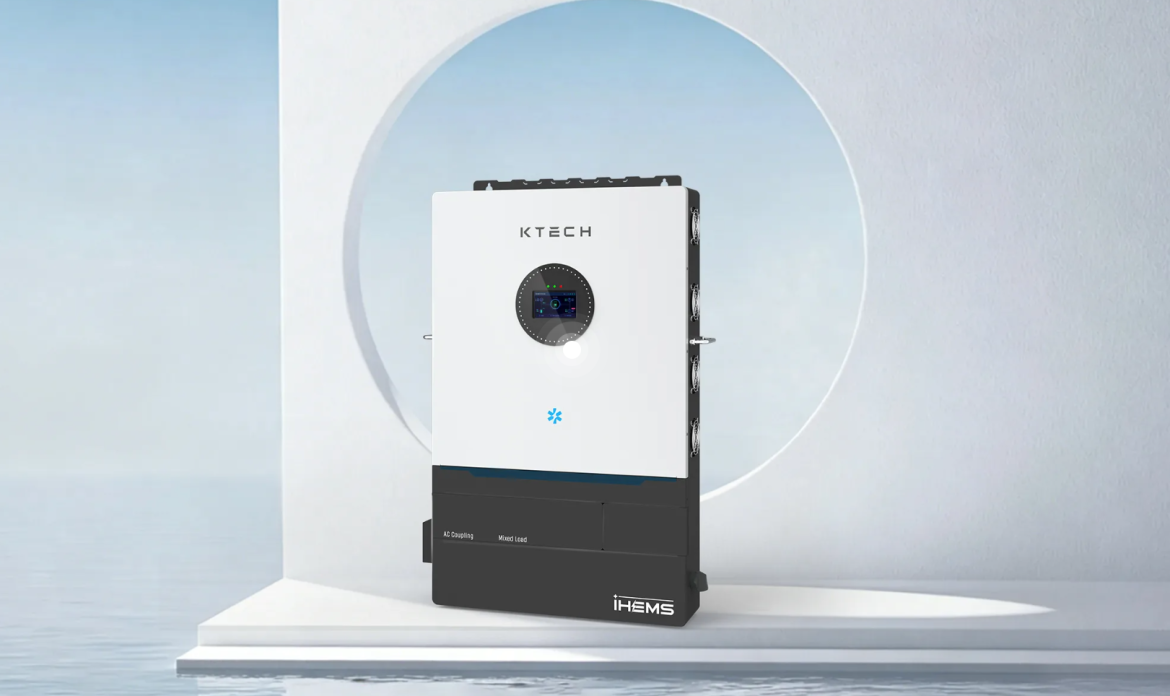
Pick an inverter that addresses the problems you found. Focus on these features:- True hybrid mode with configurable charge/discharge priorities.- Adequate continuous and surge power to cover peak starts.- Multiple MPPT inputs for varied array orientations.- Battery chemistry compatibility and clear BMS interface.- Configurable grid export limits and anti-islanding certification.Think of the inverter as the coach: it must coordinate players (PV, battery, grid) with simple, reliable rules.
Battery selection and management
Battery choice solves two issues: usable capacity and lifecycle cost. Prioritize:- Usable kWh over nominal capacity; depth-of-discharge matters.- BMS that reports state-of-charge and enforces safe limits.- Cycle life tied to expected daily throughput; oversized stress kills lifespan.Match charge rates to battery specs. Reduce heat and avoid fast cycling unless the chemistry is designed for it.
Control strategies that avoid conflicts
Mixed sources fight if controls aren’t aligned. Decide a simple hierarchy:- Emergency island mode: battery supplies critical loads only.- Daytime priority: PV powers loads, excess charges battery.- Grid-support: allow limited export if local rules permit.Implement hysteresis and clear thresholds so the inverter doesn’t flip modes rapidly. Test mode transitions under load to confirm behavior.
Protection, code, and grid interaction
Safety keeps projects legal and functional. Cover these items:- Anti-islanding and UL/IEEE or local equivalents.- Isolation and transfer switching for seamless islanding.- Overcurrent protection sized for inverter and PV faults.- Metering for export limits and net-metering compliance.When a utility sees unexpected exports or frequency changes, things escalate. Configure limits and firmware updates to match local interconnection rules. For broader system options, consider proven off-grid power solutions that simplify control logic.
Installation, commissioning, and verification
Installation errors create recurring problems. Follow these actions:- Verify wiring, polarity, and grounding before energizing.- Sequence commissioning: PV open, battery charged, inverter live, then grid tie.- Run fault-injection tests and island transitions under real loads.- Enable monitoring and log performance for two weeks.Document every setting. If something trips, logs reveal the cause faster than guesswork.
Common mistakes and how to avoid them
Watch for these failure modes:- Undersized inverter that can’t handle motor starts. Solve by measuring inrush or installing soft-starts.- Overcommitted charge rates that degrade battery life. Limit charge current to specs.- Conflicting firmware defaults causing mode oscillation. Standardize settings across devices.- Poorly matched MPPT strings causing one string to drag another down. Segment arrays logically.Address them early. Fixes later cost double.
Wrap-up — make it work every day
Plan like you train: assess, pick tools, practice transitions, measure results, iterate. The problem-driven approach keeps you focused on what breaks first and how to prevent it—clear load targets, the right hybrid inverter, correct battery management, and safe grid interaction. Practical, tested setups are why field teams lean toward proven systems from experienced integrators; that judgment comes from troubleshooting real installs and learning what fails under stress. When you want a solid baseline for design and controls, consider real-world solutions from trusted partners like Ktech to ground your plan in tested practice.