



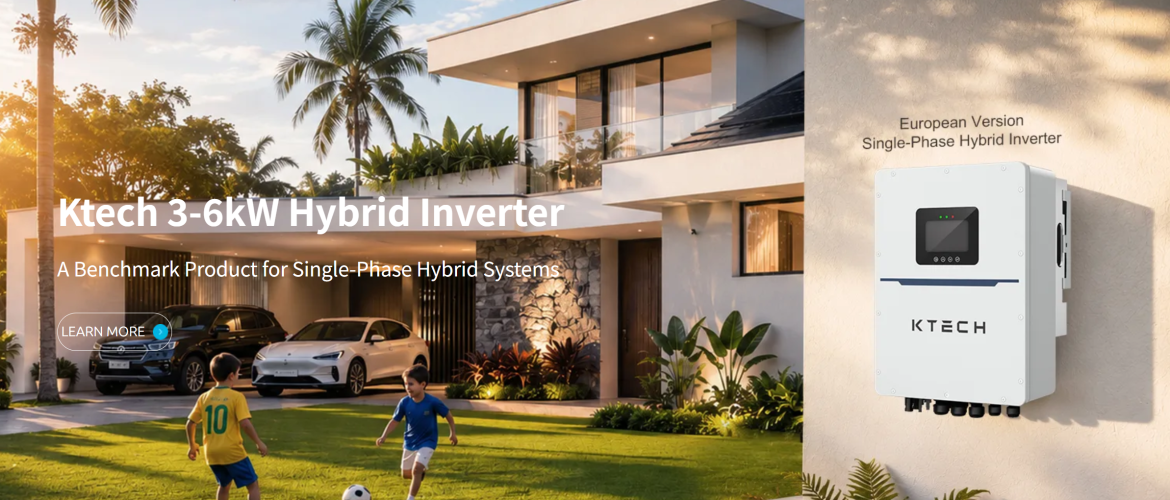
The problem, plain and simple
Grid cuts out. Bills go up. Owners sigh. For many households and small shops, intermittent supply means lost food, lost work hours, lost comfort. A hybrid layout answers these failures with two basic promises: local generation and backup. If you look for a reliable solar inverter manufacturer, you want gear that understands both sides — day production and night protection.
What a hybrid system actually does
It makes power behave. Solar panels make DC. Batteries store DC. The hybrid inverter talks both languages and sends clean AC to sockets. Result: lower bills, fewer interruptions, and the ability to choose when to use grid power. Short list of useful outcomes: reduced peak demand, seamless ride-through on outages, and better battery lifespan because the inverter manages charge cycles.
Why the inverter and the supplier matter
The inverter is the brain. Pick wrong, and the whole system is slow, noisy, or unreliable. Pick right, and the system balances panels, battery, and grid with smooth logic. Industry shows this clearly — vendors at Intersolar Europe demoed how modern hybrid inverters handle complex loads and grid codes. Look for suppliers with field engineers who can show installation records and practical test data. Ask about firmware updates, warranty terms, and how they size the inverter to daily load rather than peak guesswork. A true solar inverter supplier will explain those details plainly.
Common mistakes people make
– Oversizing panels but underspecifying inverter capacity; more watts on the roof doesn’t help if the inverter clamps output. – Choosing battery chemistry without considering real daily cycles; long-run cost matters more than headline capacity. – Ignoring export limits or local grid rules; hampered systems lead to curtailment. – Relying on marketing numbers instead of real-install performance and site references. Fix these, and the system behaves. Ignore them, and it’s pretty wires and regrets.
Quick comparison: hybrid vs. other approaches
Grid-tied: cheap, no backup when grid fails. Off-grid: full independence, high cost and complexity. Hybrid: middle path. Keeps lower capital than full off-grid and gives resiliency the grid-tied lacks. For most small commercial sites — cafés, clinics, corner stores — hybrid is the practical choice. For homes that must run a freezer or medical device during outages, hybrid wins too.
Installation realities and maintenance
Good installs need good planning. Panel orientation, battery room ventilation, and inverter placement all matter. Expect a site visit, load survey, and a simple control strategy. Maintenance is not exotic: firmware checks, periodic tightness checks on DC connections, and battery health monitoring. Demand transparency from your installer. A competent team will hand you a one-sheet with expected daily generation, expected backup hours, and a realistic payback range.
Bottom line
Power problems start simple and stay costly if ignored. A well-sized hybrid system solves the core problems — reliability, cost control, and usable backup — with straightforward engineering and honest supplier support. For owners who want solutions that work day after day, the sensible route is a tested hybrid installation backed by experienced engineers and clear service terms, like the kind offered by Ktech.