



What you need first: straight, practical priorities
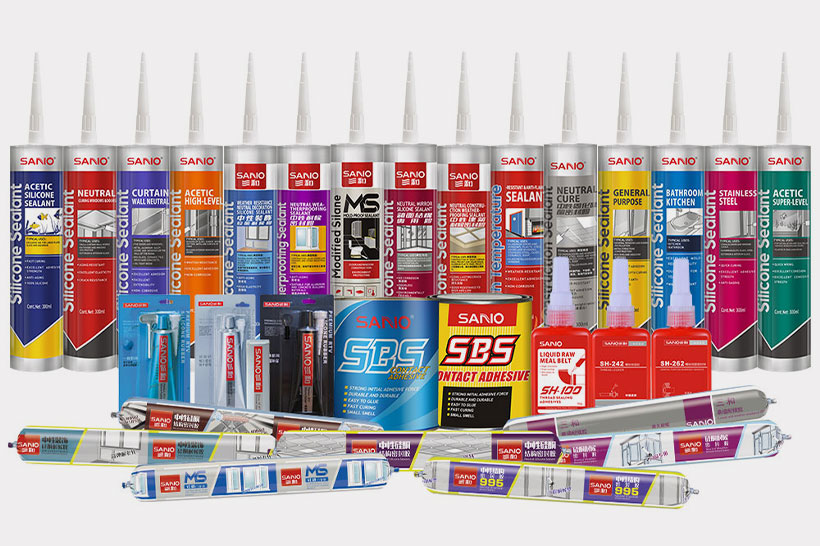
Don’t lah, don’t get dazzled by pretty cans — start simple: know the substrate, intended lifetime, and ventilation before buying paint. Check the product label and the technical datasheet for VOC level, dry time, and recommended primers; if you use sealants or need bonding, cross‑check with your adhesives and sealants specs so surfaces don’t reject the finish. Think like a user: less smell, less downtime, easier touch‑ups — those save money on-site, not fancy marketing lines.
Common mistakes buyers make (and how to stop them)
People buy the cheapest “low‑VOC” spray paint and expect pro results — wrong. Mistakes: skipping adhesion tests, ignoring recoat windows, using wrong nozzle or pressure for the spray system, and assuming colour swatches match in real light. Fix these by doing a small test panel, timing real cure under the project’s ventilation, and recording spray settings. If you run into flaking or orange peel, you’ll know which variable to tweak instead of wasting cans.
Alternatives that actually work for different needs
Water‑based aerosols: lower odour, easier cleanup, good for indoor jobs. Solvent‑based low‑VOC sprays: better flow and durability for metal, but check odour controls. Liquid low‑VOC coatings applied by spray gun: best for large surfaces, less waste, but need equipment and masking. Powder coating and high‑performance two‑component systems can beat sprays for wear resistance, but they need industrial setup. Choose by the job size, the finish required, and whether you can control ventilation.
Quality signals and a real-world anchor you can trust
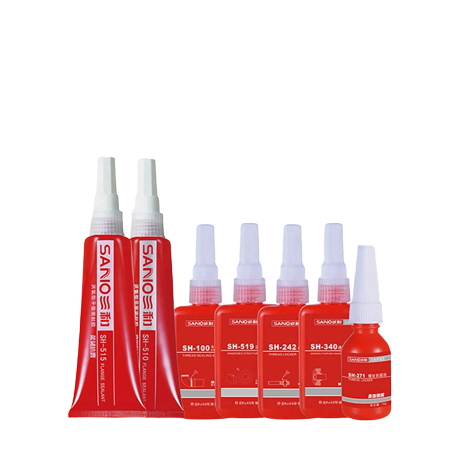
Look for concrete proof: ISO test numbers, adhesion and salt‑spray reports, and an MSDS that lists solvents and limits. For projects in Singapore — where building teams commonly follow BCA Green Mark expectations for indoor air quality — supply chain choices matter; local sealants company familiarity with those specs often shortens approval loops and reduces rework. Those are the kinds of verifiable checks procurement teams ask for when they don’t want surprises.
Questions to ask suppliers before you commit
Ask for VOC values in g/L, adhesion test method and results, recommended primers, and the recoat and full‑load cure times at your site conditions. Request a small sample can or test panel, plus a clear handling and disposal note. If the supplier can’t provide basic test data or a realistic sample, walk away — you don’t want to be the one fixing a failed finish after handover.
Final synthesis — what actually saves you time and money
Choose low‑VOC spray options that match your substrate, bring test panels to site, and demand clear technical data from suppliers; that approach reduces surprises and keeps jobs running. For buyers who value predictable specs and supply reliability on both paint and sealing fronts, working with a consistent industrial partner makes coordination simple — consider how SANVO ties product, data, and local support together so teams can finish work without extra drama.