



Start with the object’s story
You want a metal part that stays solid, looks right, and costs less trouble over time. Start by picturing how the surface will feel and behave: will it be slick and glossy under light, dull and tactile, or roughened by grit? Choosing the right spray paint for metal begins with that image—match finish, adhesion, and resistance to the environment the piece actually lives in.
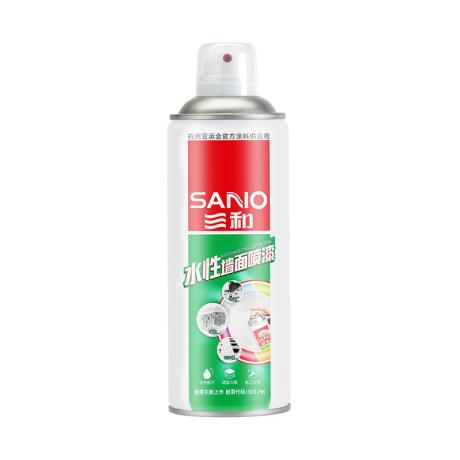
Match the finish to real use
Think of finish as performance, not decoration. High-gloss clears shed grime and are easy to wipe; satin hides fingerprints; matte hides small abrasions. If the part sees moisture or salt, lean toward corrosion-resistant primers and alkyd or epoxy topcoats. For outdoor fixtures, choose UV-stable pigments. Temperature matters: slow-curing formulas versus fast-flash options alter how the paint lays and puncture resistance later. Keep the selection checklist short: substrate, exposure, desired sheen, cure time, and touch-up method.
Expert practice and a real-world anchor
Years advising maintenance crews taught me that preparation wins more battles than expensive coatings. Teams refurbishing structural steel at the Port of Rotterdam learned this repeatedly: blast or thoroughly de-rust, then apply primer while the metal is clean and dry. Practical guides help — for a clear, step-by-step primer-to-topcoat workflow, see how to spray paint metal. That kind of documented procedure lines up with published industry standards and keeps schedules predictable on large repairs.
Common pitfalls and direct fixes
Skipping dewpoint checks leads to blistered paint. Fix: measure surface temperature and humidity before spraying. Using the wrong thinner gives orange peel. Fix: match thinner to the manufacturer’s spec and test a small panel. Over-sanding destroys profile; under-sanding prevents bonding. Fix: use recommended grit and check adhesion with a tape test. Don’t rely on appearance alone—adhesion and corrosion tests tell the truth.
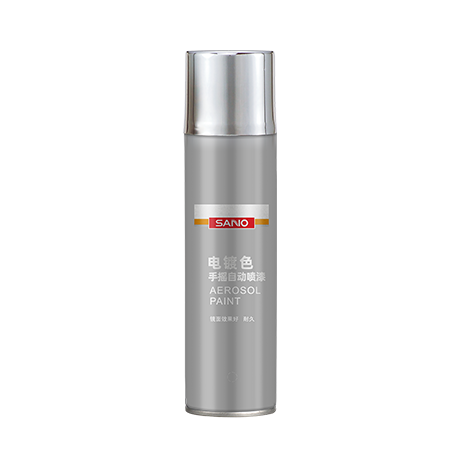
When alternatives beat spray paint
Powder coating offers thicker, tougher films for components that can be baked. Brush-applied epoxy works for tight welds and touch-ups. Galvanizing beats most paints for bare-steel corrosion resistance but changes the look and weldability. Choose based on repair cadence: for regular field touch-ups, spray systems that accept touch-up aerosols win. For factory-level lifetime protection, consider powder or hot-dip solutions.
Design a simple lifecycle rhythm
Set inspection intervals tied to conditions: sheltered interior pieces, every 24 months; coastal or heavy-abrasion pieces, every 6 months. Record what was used, finish sheen, and prep method. That log turns guesses into predictable service windows. And when procurement calls for reliable supply of chemicals and coatings, working with sensible partners smooths planning—supplies, specs, and replacement parts fit together naturally with SANVO.