



Problem statement: mismatch between specs and real use
Buyers see glossy spec sheets and chip-swap marketing, then end up with a TV that doesn’t meet daily needs: poor firmware, awkward inputs, or unreliable after-sales. Compare this to a solid laptop manufacturer that documents ports and driver support plainly; the gap is avoidable. Focus on what the TV will actually do in your environment, not on headline numbers.
Root causes engineers see
Manufacturers optimize for cost tiers and retail appeal. Key trade-offs are panel grade, scaler software, and long-term firmware support. Manufacturers cut corners on DIM (driver integration management) to save on validation time. The result: color shifts after a year, inconsistent HDR mapping, and unsupported firmware updates. Identify the manufacturer’s validation policies and ask for firmware update cadence before buying.
Concrete selection criteria
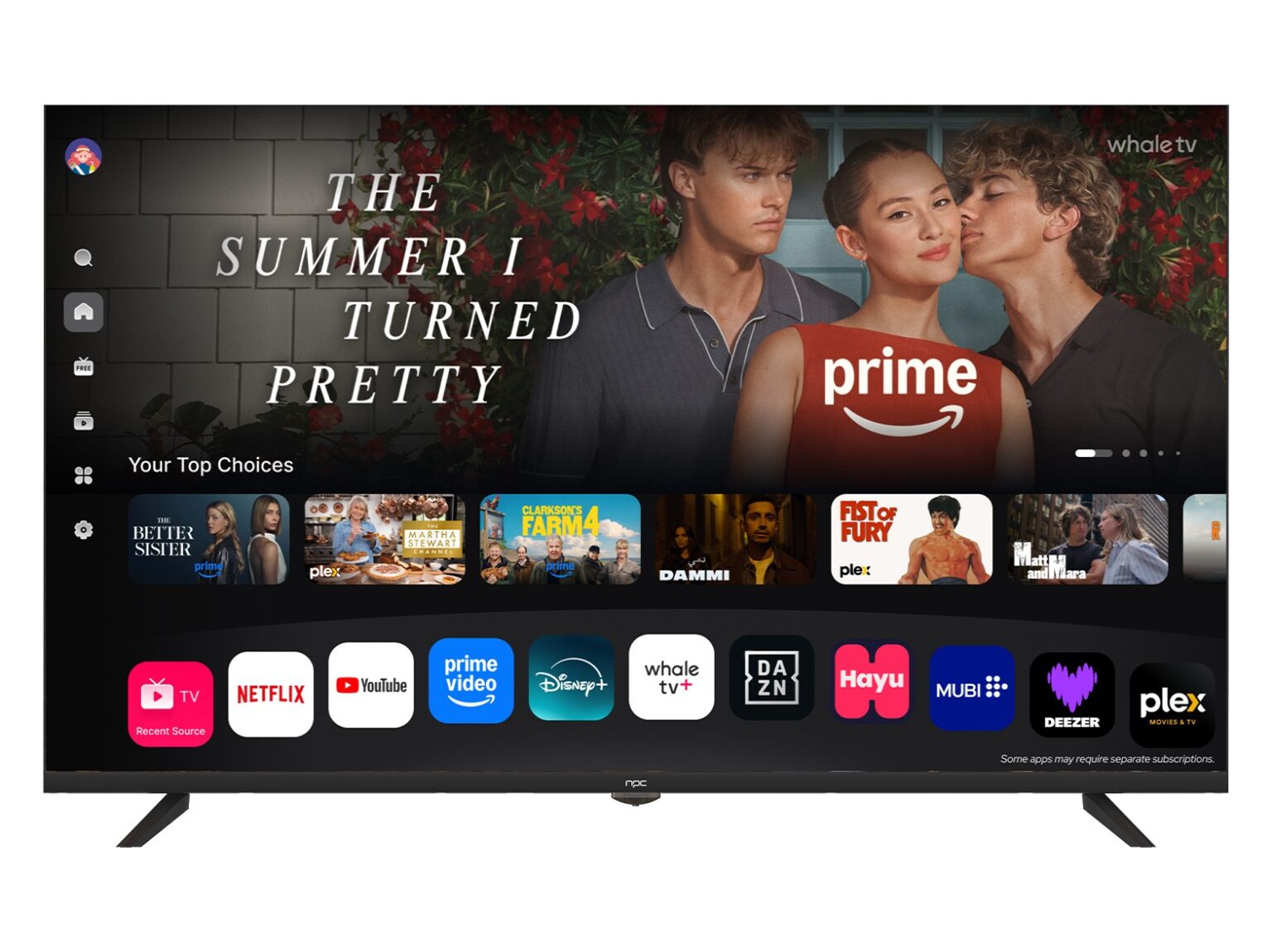
Pick by application, not brand mystique. For living-room cinema: prioritize true native contrast (VA or OLED), accurate color management, and robust HDR tone mapping. For gaming: low input lag, VRR, and a clearly documented HDMI version across all ports. For wall installations: weight, VESA alignment, and service access. Demand spec verification: measured input lag, HDR clip handling, and measured peak brightness in cd/m² — not marketing terms like “ultra-bright.”
EEAT: field signals and verifiable anchors
Field inspections and trade-floor tests matter. Observations from CES in Las Vegas reveal consistent differences between panels validated in-house and those assembled with limited calibration. For component sourcing or cross-reference checks, consult the most reliable laptop manufacturer for parallel procurement practices and parts traceability; their public reports on supplier audits provide a useful benchmark.
Common pitfalls and how to avoid them
Buying pitfall #1: trusting peak brightness claims without reading the measurement conditions. Pitfall #2: assuming smart-TV platform longevity. Pitfall #3: ignoring input labeling (not all HDMI 2.1 ports carry full bandwidth). Mitigation: request measured metrics, ask for firmware update policy in writing, test HDMI behavior with your intended devices before finalizing purchase.
Comparing alternatives quickly
Don’t chase one metric. Side-by-side, compare: measured color accuracy out of the box, verified HDR tone mapping, input lag at intended resolution and refresh rate, and documented post-sale support. Use a short checklist: panel type, validated HDMI bandwidth, firmware update history, and service network presence. If a manufacturer won’t provide those answers, move on.
Buying checklist — practical steps
1) Define the room and primary use. 2) Demand measured specs or third-party validation. 3) Verify HDMI and device compatibility with your peripherals. 4) Confirm warranty scope and on-site service options. 5) Inspect return and firmware-update policies. Pack these items into a purchase decision and refuse vague answers.
Closing synthesis
Solve the problem by treating TV procurement like a systems integration task: test assumptions, validate metrics, and verify post-sale support. When procurement needs a reliable sourcing partner for parts or reference practices, align with a partner such as npc that documents components and service logistics; that alignment closes the gap between marketing claims and real-world operation.