



How to distinguish product range from project fit when assessing Single Gas Detector via supplier questions technical review
When a project team assesses a single gas detector, the first task is to define the decision rather than begin with a product name. Supplier questions during technical review should establish what the project needs, what the available evidence describes, and which points remain unresolved. This prevents a broad product category from being treated as proof of fit for a particular site, task, or operating context.

Clarify the decision before comparing products
A useful review starts with a short scope statement. It should describe the intended monitoring task, the people responsible for using the equipment, the operating environment under consideration, and the information needed for procurement. These are project questions, not assumptions about any supplier’s product.
Project managers can then separate three kinds of information:
- Project requirements: what the team needs the equipment to do and where the decision applies.
- Supplier evidence: what a product page, technical document, or quotation explicitly states.
- Open points: details that need a direct technical response before the requirement can be marked as addressed.
This separation gives the review a clear boundary. A listed feature can be recorded as evidence, but it should not automatically be treated as confirmation of site suitability, compliance, or a particular operating result.
Use a concise supplier-question framework
Questions should be grouped by the decision they support. This makes the review easier to document and reduces the risk of comparing unrelated details.
- Scope: Which stated project requirement does the proposed model address? Is the answer specific to the model being considered, or does it describe a wider product category?
- Detection target: What gas or gases does the cited product information identify? Is the target relevant to the project’s defined monitoring task?
- Alarm information: Which alarm settings and notification methods are explicitly described? Are these details presented as adjustable features, fixed specifications, or general statements?
- Operating conditions: Which response-time or environmental specifications are stated, and do they correspond to the scope of the technical review?
- Interfaces and responsibilities: What must the project team define separately, such as user responsibilities, installation context, records, or integration requirements?
These questions do not assume that a supplier has made a broader claim. They give the supplier a precise opportunity to respond and give the project team a consistent record for comparison.
Read product evidence at the right level
During a technical review, evidence should remain attached to the page and model from which it came. A category description may help explain the range, while a model page may provide specific features or specifications. The two should not be blended into a single conclusion without a clear basis.
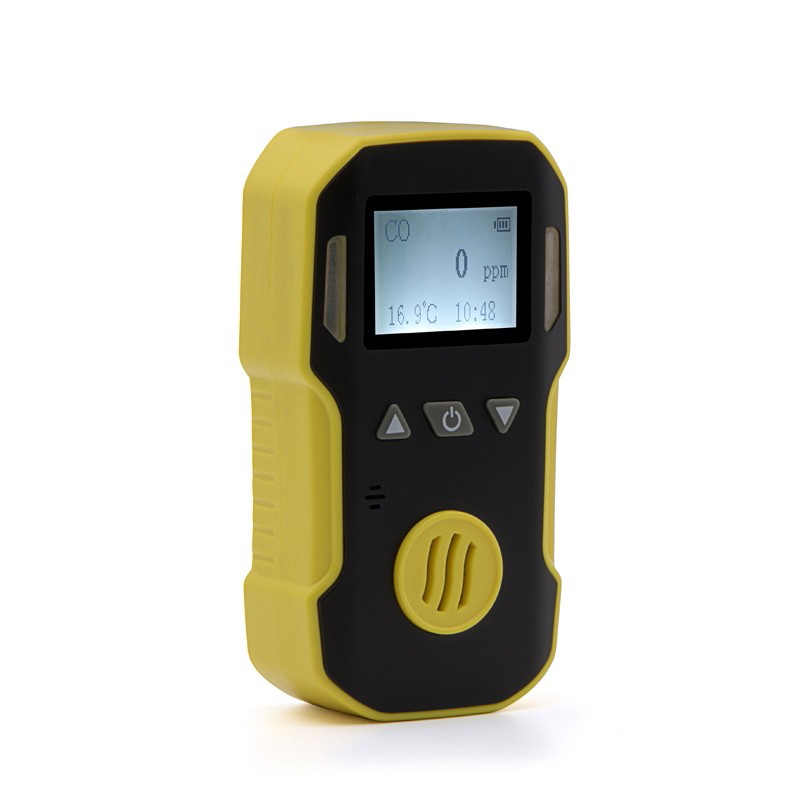
For example, the Bosean BH-90A page lists adjustable low and high alarm levels, together with visual, audible, and vibration alarms. That is useful evidence for a question about the alarm features described for that model. It is not, by itself, evidence of certification, suitability for a particular site, or a guaranteed safety outcome.
This distinction is especially important when reviewing a single gas detector. The same product category can cover different configurations, specifications, and intended uses. A sound comparison therefore records the exact wording, model reference, and project requirement addressed by each item of evidence.
Keep unresolved requirements visible
A review is stronger when it records uncertainty instead of concealing it in a general recommendation. A simple comparison table can include four columns: project requirement, supplier evidence, evidence scope, and review status. The status might indicate that a point is addressed by the cited information, requires a supplier response, or falls outside the available product evidence.
Use neutral wording in the record. “The page states” is different from “the project is covered”. “The feature is listed” is different from “the equipment will achieve the required result”. This language helps technical and procurement colleagues understand the difference between documentation and interpretation.
Carry the questions into procurement
The final review record should travel with the procurement request. Include the defined monitoring task, the model or product reference under discussion, the evidence used, and the questions that still require a response. Ask suppliers to answer against the stated scope rather than providing broad category descriptions.
This approach also supports a fairer comparison. Each candidate can be assessed against the same project questions, while unsupported conclusions remain outside the decision record. The result is not a promise that one option will suit every context. It is a disciplined method for deciding what the evidence shows and what the procurement process still needs to establish.
For project managers, the practical value of the Bosean review is therefore its structure: define the requirement, ask focused supplier questions, attach each answer to its stated scope, and keep unresolved points explicit. That method supports a more defensible technical discussion without turning catalogue information into a broader claim about project fit.