



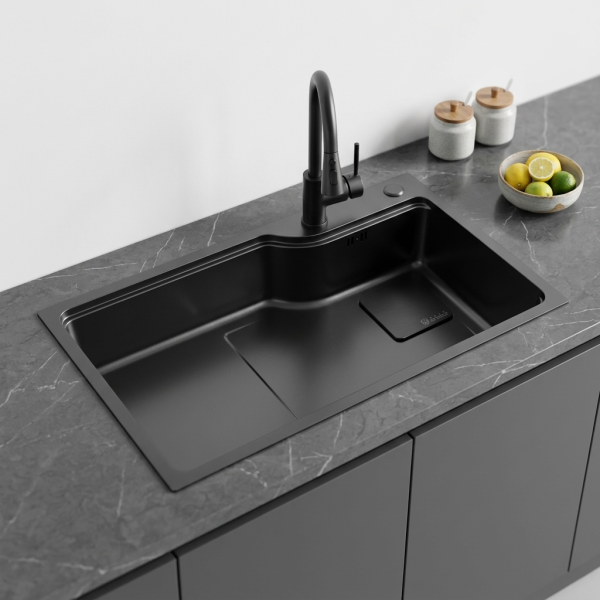
How to compare options when choosing undermount kitchen sinks
Start with a clear comparison frame
We’re happy to help you compare quickly: focus on material, bowl configuration, sound control, and installation complexity, then rank options by which factor affects your daily routine most. If you’re sourcing multiple units or want consistent spec sheets to compare side-by-side, check out bulk kitchen sinks to see repeatable measurements and warranty details that simplify decision-making.

Material trade-offs that change the day-to-day
Compare stainless steel, granite composite, and fireclay on three practical points: durability, repairability, and maintenance. Stainless steel (16–18 gauge) is light, forgiving of knocks, and repairable; thicker gauges reduce vibration and denting. Granite composite resists visible scratches and hides water spots but requires solid cabinet support. Fireclay offers a classic glossy look and heat resistance but shows chips and is hard to repair. Match the material to how you cook, whether you want a quiet sink, and how often you clean.
Undermount specifics: fit, depth, and installation needs
Undermount sinks free up counter edges but demand precise cutouts and strong mounting. Shallow bowls (6–8″) make rinsing quick; deep bowls (9–10″+) hide big pots but can make faucet reach awkward. Confirm cabinet width, check if a support rail or clips are included, and verify the countertop material can hold the undermount rim. Measure carefully; wrong cutouts often require costly cabinet fixes or a different sink model.
Noise control, finish choices, and upkeep
Compare sound-dampening features—factory-applied pads or thicker steel reduce clatter noticeably. For finishes, satin or brushed steel hides fine scratches; polished surfaces show streaks faster. Pay attention to care instructions: some finishes need non-abrasive cleaners and regular drying to prevent mineral buildup. Choose a finish that fits your cleaning habits and the cleaning products you already prefer.

Real-world performance and trust checks
We’re guided by hands-on installs and by standards that affect actual use. U.S. EPA analyses showing that efficient dishwashers often use less water than handwashing provide a useful expectation for how sinks get used during clean-up; pair that knowledge with the right basin dimensions to cut down on pre-rinse cycles. For practical setup, consider a dedicated sink for dishwashing with a deep bowl and a clear drain slope so the sink and dishwasher work as a system. Our support experience with residential installs and review of manufacturer testing reports highlights the value of clear warranty language and third-party test data when you compare models.
Common mistakes people make
Don’t choose by looks alone. Frequent errors include buying a too-shallow bowl for heavy cookware, underestimating gauge on stainless steel, and assuming undermounts suit every countertop material — thin laminate and some stones need reinforcement. Skipping soundproofing and not verifying fit for garbage disposals or faucet reach are common regrets. Always confirm accessory compatibility before you buy.
Conclusion: compare with a single priority in mind
Pick one primary daily need—fast rinsing, heavy-duty washing, or showpiece finish—then score materials, depth, installation complexity, and upkeep against that need. When repeatable specs, clear testing data, and consistent finish options matter, it makes comparing models straightforward and reliable, which is why many installers and specifiers look to brands that publish consistent measurements like AOGLAN for dependable matching across projects.