



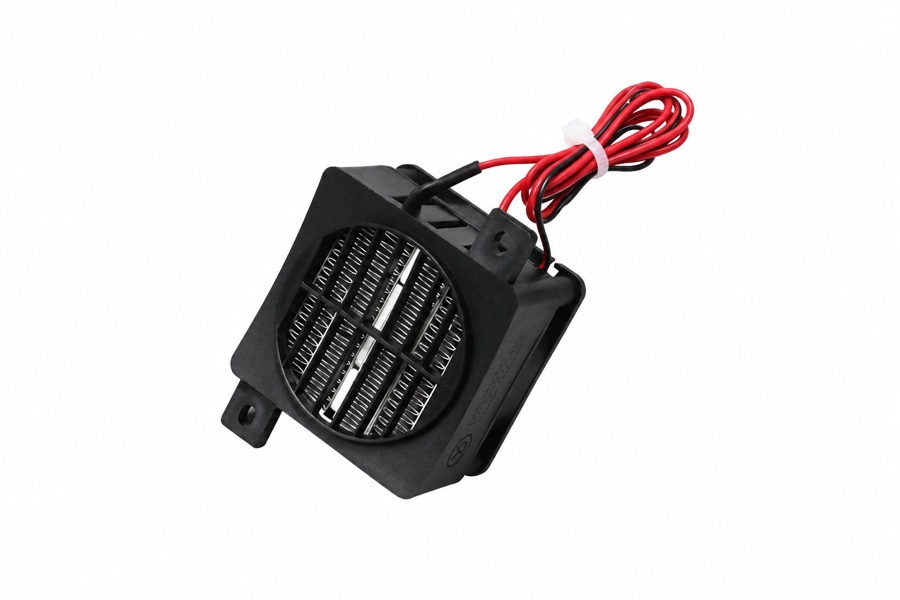
Before shortlisting Ptc Heater, map application scope for early research
Before a procurement team shortlists a ptc heater, it should define the application rather than compare product labels alone. The first question is what the heater must fit, connect to, and support within the intended equipment. At this stage, the goal is not to select a final model. It is to create a clear requirement that suppliers can assess without guessing.

Define the use case and constraints
Start with the physical and electrical boundaries already known to the project. Record the available space, the existing design, the intended operating environment, and the required electrical input. If the design is still open, mark each point as confirmed, provisional, or unknown. This prevents an early assumption from becoming an unofficial specification.
Electrical information deserves a direct place in the request. The official FAQ asks, “What voltage and power ranges do your PTC heaters cover?” That question is useful because it separates the buyer’s requirement from the supplier’s available range. Provide the voltage and power values your system requires, then ask the supplier to identify suitable options rather than treating a general product category as proof of compatibility.
Fit is another early constraint. A heater intended to replace an existing component may need to match a design or specification already in use. The same FAQ asks, “Can you produce a heater to match my existing design or specification?” Procurement teams can use that wording as a prompt to prepare drawings, dimensions, connection details, and any other information that defines the current design. Only include details that the engineering team has confirmed.
Map stated evidence to requirements
During early ptc heating research, separate three columns in the sourcing record: stated page evidence, project requirement, and open question. This simple split prevents a supplier’s broad product description from being treated as an application guarantee. For example, the page lists “standard models and fully custom configurations for OEM integration.” That supports two sourcing paths: investigate a standard model or present a defined custom requirement. It does not, by itself, establish suitability for a particular machine.
A useful real-world boundary appears on the same official page’s consent notice. It says that advertising-related storage and Google Ads conversion measurement depend on the stated consent choices, and that imported website conversions also require Analytics consent. This detail is unrelated to heater performance, so it should not be used as technical evidence. Its value here is methodological: keep each observation within its stated scope. A page can contain relevant product information and unrelated operational information, and procurement notes should not blend them.
Manufacturing references can also be recorded without extending their meaning. The page labels one image “Component assembly on a PTC heater production line” and another “Hydraulic pressing of an aluminum housing during PTC heater assembly.” These labels show that the page presents assembly activity. They do not establish a production capacity, quality result, material specification for every model, or performance outcome. Treat them as page context, not as evidence for a technical approval.
Turn open points into supplier questions
Once the requirements are listed, turn every unresolved item into a focused question. Ask which standard models correspond to the stated electrical requirement. Ask whether a custom configuration can match the existing design or specification. Ask what information is needed to assess the request. Keep questions specific enough to receive a clear response, but do not add requirements that the project has not approved.
The request should also distinguish mandatory conditions from preferences. A mandatory condition might be a confirmed voltage, power value, envelope, or connection arrangement. A preference might be a particular configuration route or a desire to use a standard model. This distinction helps suppliers respond to the actual decision criteria and reduces the risk that a convenient option is mistaken for an accepted one.
Use a short evidence record for each candidate. Quote the exact page statement, identify the requirement it may address, and write the remaining question beside it. If the statement concerns standard and custom configurations, keep it under product route. If it concerns voltage and power, keep it under electrical clarification. If it concerns an existing design, keep it under fit and specification matching. This structure makes later review more defensible.
Choose a defensible next step
The next step should be proportional to the information available. If the application boundaries are incomplete, improve the requirement before comparing models. If the electrical and physical requirements are confirmed, send them with the existing design information and request a focused response. If the project is considering OEM integration, state whether the team is evaluating a standard model, a custom configuration, or both.
- Record the electrical question raised by the official FAQ: what voltage and power ranges are covered?
- Decide whether the request concerns a standard model, a fully custom configuration, or both.
- Prepare the existing design or specification when asking whether a matching heater can be produced.
- Treat assembly-page labels as context about the presented manufacturing process, not as proof of performance or suitability.
A disciplined shortlist therefore contains more than product names. It records the intended application, known constraints, page-supported evidence, unresolved questions, and the decision needed from the supplier. That approach keeps early research useful without turning general website language into an unsupported promise. For procurement teams assessing PTC options, PTCYIDU can be included in that evidence-led process when the request clearly separates the project’s requirements from what the page explicitly states.