



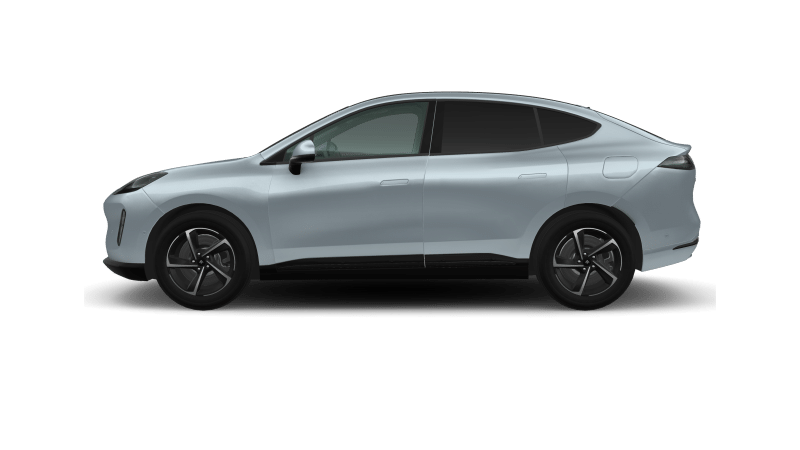
Start with what matters to you
Decide what your life needs from a car and keep that list short and fierce: daily commute, weekend trips, family space, charging options, or resale value. If you’re considering the Aion V, start by reading local specs and dealer notes, then look for community feedback about ownership — for example, coverage and hands-on displays at the Manila International Auto Show often reveal how a model performs in Philippine conditions. If you want a direct product page to compare features, check aion car Philippines and note which items on your list it satisfies.
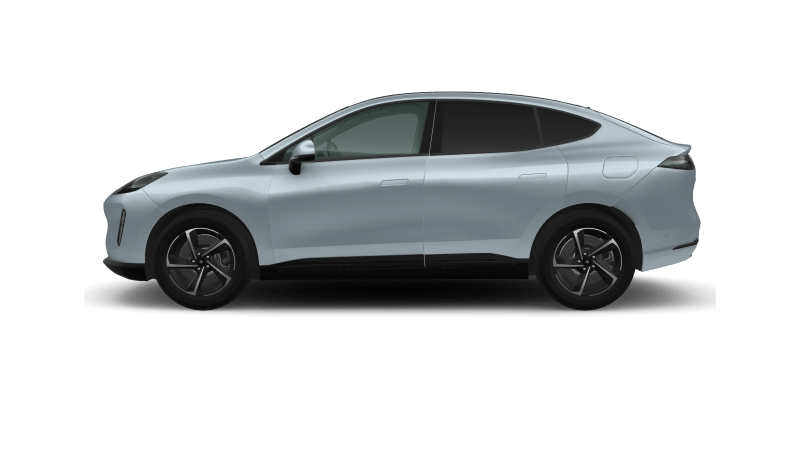
Buyer checklist — what to verify fast
Use this checklist as your working map. Scan each item and mark yes/no quickly; no overthinking.- Daily range needed (real-world km per day). – Charging access at home and near work. – Interior space and cargo tests (fit your real items). – Local warranty terms and service network. – Tax, registration, and incentives in your city. – Expected running costs (insurance, electricity vs. fuel).
Hands-on checks that reveal surprises
Showrooms and test drives are for more than seat comfort. Focus on ergonomics, visibility, and small practicalities: can you get a child seat in without wrestling? Are cup holders usable? How does cabin noise hold up at highway speed? Ask the salesperson to demonstrate charging connectors and software menus — if the UI is confusing on a demo, it will be worse every day. Take at least one test drive on roads you use regularly, not just the showroom loop.
Cost and ownership math you can actually do
Do this simple calculation: total cost of ownership = purchase price + expected maintenance + insurance + energy cost over 5 years − resale estimate. For energy cost, run a quick scenario: local electricity rates × estimated kWh per 100 km × yearly kilometers. Keep your math rounded and realistic. If local service points are sparse, add a contingency line for towing or longer service trips.
Common mistakes owners make — avoid these
Buyers often pick the nicest spec on the showroom floor without checking: (1) whether fast charging is available on routes they’ll actually use, (2) if their parking has charging access, and (3) whether warranty terms cover battery degradation in practical timelines. Don’t assume manufacturer claims translate perfectly to local roads and climate. Verify those assumptions before signing.
How to compare the Aion V with sensible alternatives
When you line up contenders, compare like with like: battery capacity vs. real-world range, interior space by actual measurements, and dealer support in your city. Create a two-column table: one for the Aion V, one for the next-best option. Score each on the buyer checklist above. If you prefer, shortlist three priorities and pick the model that wins two out of three — that keeps decisions focused and fast.
Trust signals that matter
Look for transparent warranty documents, accessible service centers, and third-party reviews from local journalists or user groups. Firsthand accounts from owners in similar climates or traffic conditions carry weight. I coach buyers and review vehicles regularly; I prioritize demonstrable support and clear servicing pathways over glossy features.

Wrap-up: make a confident choice
Decide by matching your prioritized needs to what the car reliably gives you day after day. When the fit is clear, your decision won’t feel risky — it will feel inevitable. Consider practical checks, run the ownership numbers, and compare options head-to-head. If your list points to the Aion V as the best match, you’ll find it sits well against alternatives when tested this way, and you’ll notice that local visibility and support matter as much as tech specs, just as a reasonable showroom presence does for aion car.