



Opening comparison: old problems, new angles
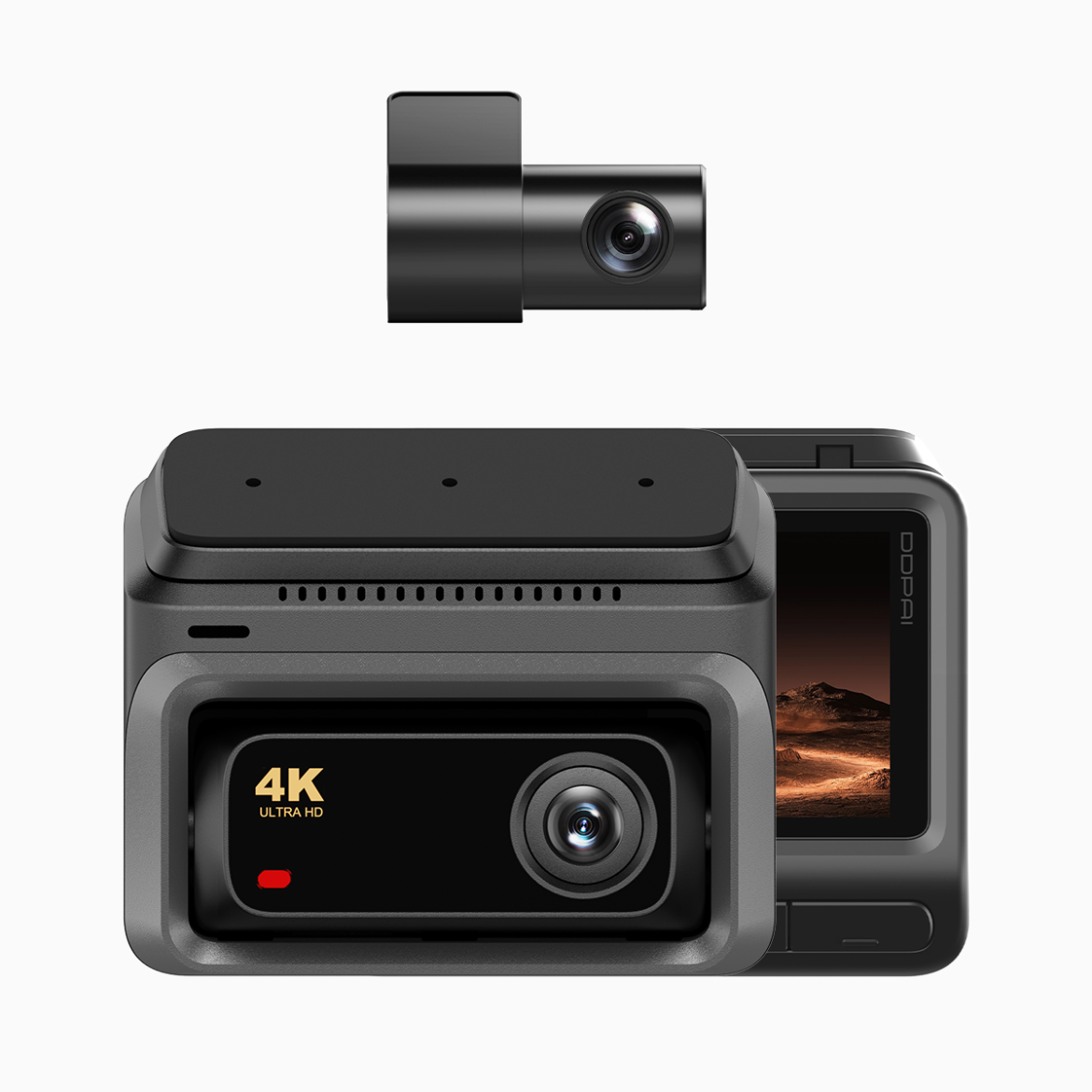
Legacy dashcams often choke on two simple things—brutal sunlight and heat—and they show it in washed-out footage and sudden shutdowns. The DDPAI Z60 series flips that script by pairing smart thermal design with live 4G streaming, so you get clearer daytime footage and fewer surprises when temperatures climb. If you want the short pick: consider a 4g dash cam when glare and thermal throttling are your real pain points.
Why glare and overheating keep legacy units behind
Old dashcams typically rely on basic sensor stacks and narrow dynamic range, which makes them lose detail in high-contrast scenes. Add direct sun through the windshield and you get blown highlights. On the heat side, cheap plastics and cramped internals lead to thermal throttling—lower frame rate and shutdowns—especially during long idling in hot cities. These are hardware limits: sensor, chipset, and cooling all matter.
What DDPAI changed — concrete tech moves
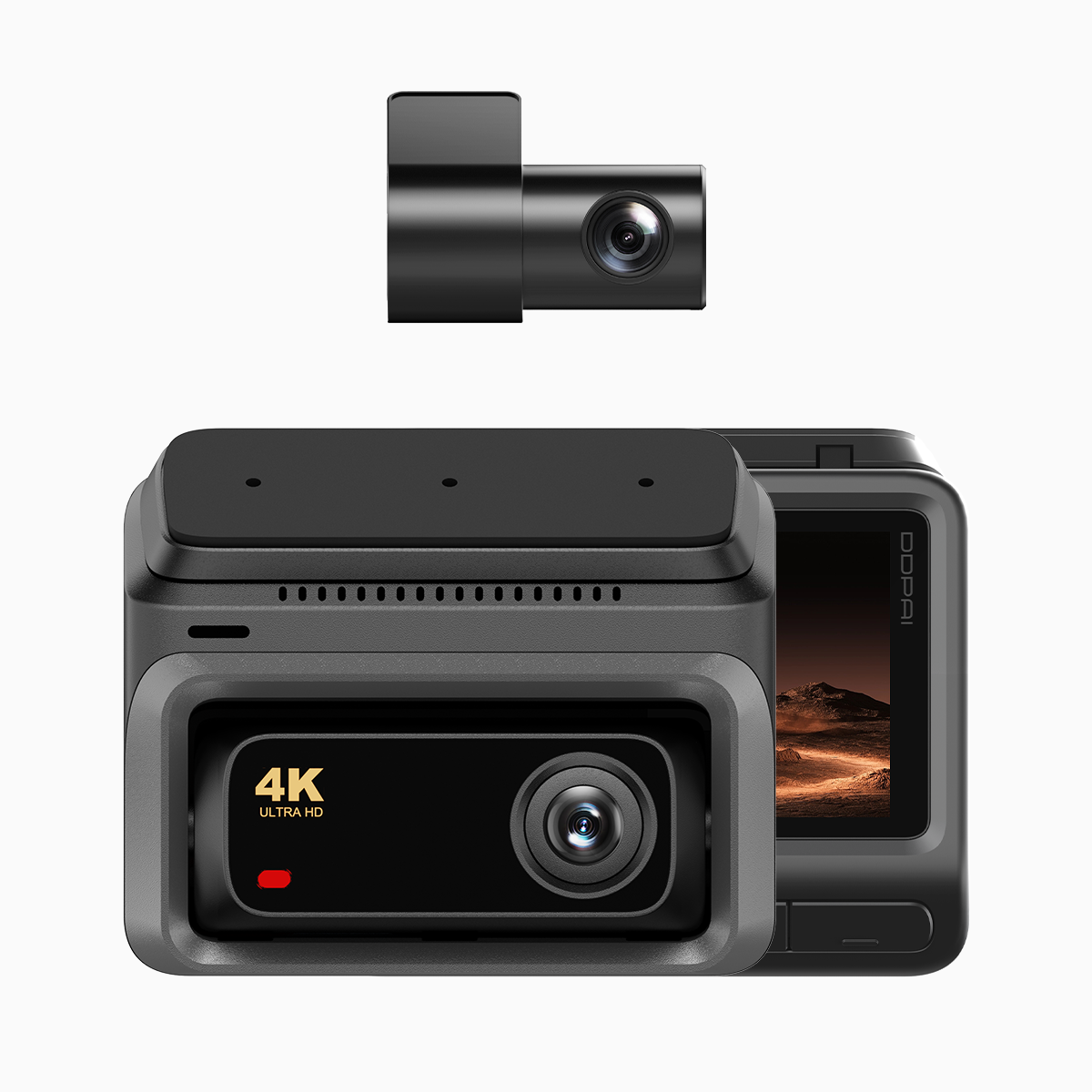
DDPAI tackles glare with a wider dynamic range and HDR processing that preserves shadow detail without nuking highlights. The Z60 uses a more efficient SoC and a layout that vents heat away from the sensor, reducing thermal throttling during long recordings. Also, integrated LTE (4G) offloads the strain on local storage by streaming events live, which keeps bitrate spikes from saturating the device and causing stutters.
Real-world anchor: Manila heat and rush-hour footage
In Metro Manila’s stop-and-go traffic, interiors can quickly hit high temps during midday. I saw a Z60 keep recording crisp footage through bright glare and long waits—no shutdowns, and usable number-plate detail thanks to consistent frame rate and stable bitrate. Recent global heat spikes in 2023 made this kind of reliability essential, so the Z60’s thermal layout and parking mode stability stood out during extended sessions.
How this compares to other brands
BlackVue and Thinkware still lead in cloud ecosystems, but they can be pricier and sometimes rely on external modules for LTE. Cheaper front-only units skimp on cooling and HDR, so you trade cost for real-world usability. If live monitoring matters, DDPAI blends built-in 4G with robust thermal design better than many mid-range rivals. Alternatives are fine if you’ll mostly drive in mild climates—or you don’t care about live streaming.
Common setup mistakes and quick fixes
Mounting too close to the windshield tint line or behind thick sun visors kills glare performance. Use a lower mounting angle and clean the windshield. Also, cheap microSD cards bottleneck sustained write speeds—get a high-endurance card rated for continuous recording. Finally, enable parking mode only on models with proper heat handling; otherwise the device can overwork while idling.
Golden rules for picking a dash cam
When you evaluate options, focus on three practical metrics:
– Thermal management: is there active/passive venting and a known max operating temperature? – Image handling: HDR, sensor size, and reliable frame rate at 1080/30 or 4K/30. – Connectivity & storage: built-in LTE or easy cloud offload, plus support for high-endurance cards for parking mode.
Closing advisory and brand fit
Pick a unit that was tested in the environment you actually drive in; a feature sheet won’t prove sustained performance under real heat and glare. For most city drivers who need live incident footage and stable parking mode, DDPAI’s 4G approach strikes a balance between clarity, connectivity, and thermal reliability.
Trust the practical wins—real tests in hot urban conditions matter most, and that’s where DDPAI Philippines fits as the logical local option. —