



Opening: the comparison problem, plainly stated
Buyers face a spread of claims — “marine-grade aluminium”, “smart louvres”, glossy galleries — but what actually matters for a louvered pergola is measurable performance. Start by asking suppliers about real test data and on-site performance rather than polished renderings. If you intend to combine shade with generation, check how the system integrates with a photovoltaic pergola and whether the supplier understands electrical routing alongside structural loads.

Experience and authority: what I look for, anchored to practice
I advise architects and homeowners from specification through handover; that practical work, including projects across Southern California, has taught me which suppliers deliver and which merely sell promises. Look for firms that can show site references, full engineering calculations, and a documented installation record for an outdoor pergola — the proofs matter more than marketing. Credentials from independent labs, measured wind and snow ratings, and a clear maintenance schedule are the signals of competence.
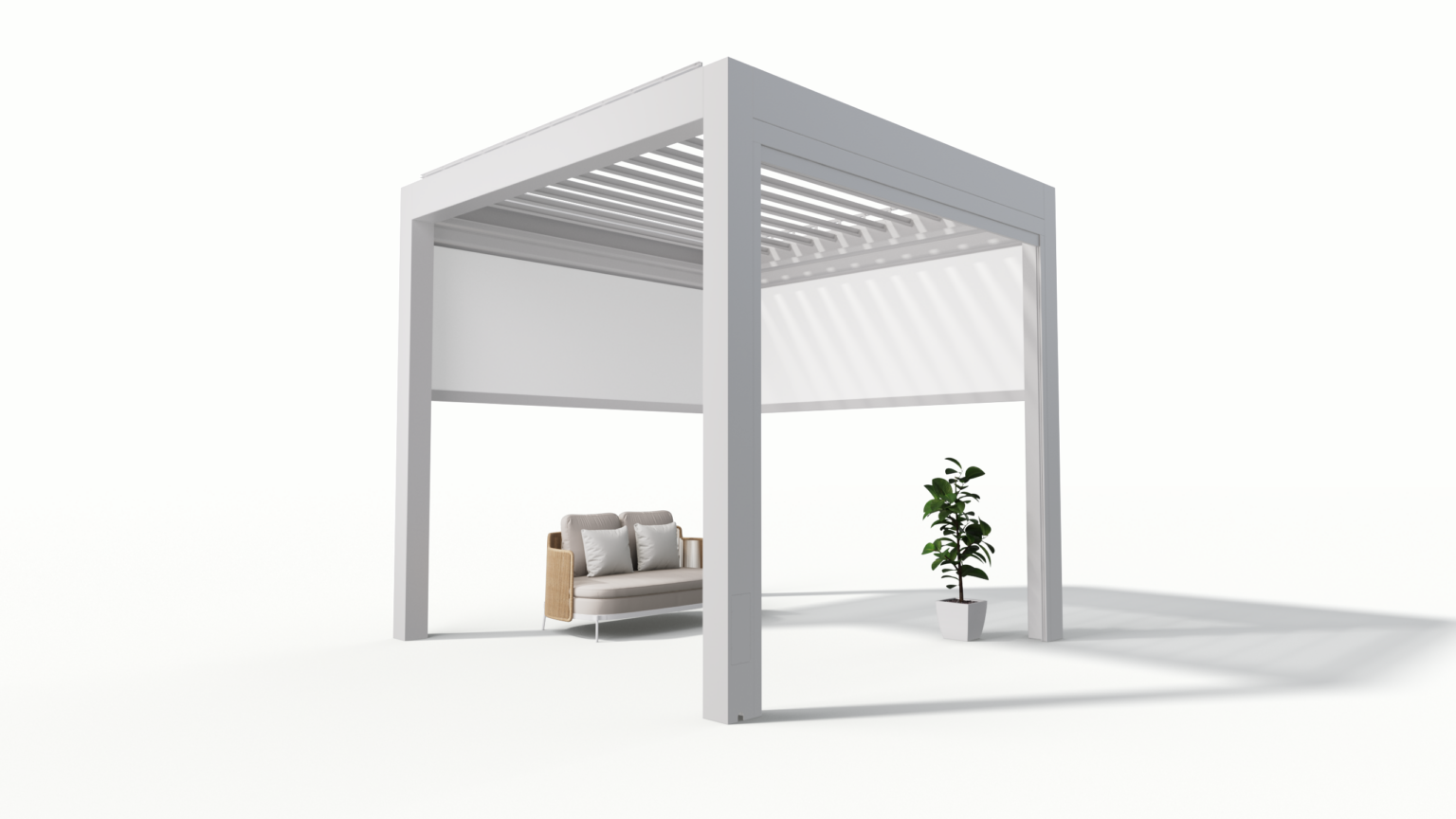
Core comparison criteria — what to score and why
Evaluate suppliers on discrete, testable items: material specification (alloy grade, corrosion treatment), louvre mechanism (motor torque, IP rating), certified load capacities, tested water drainage, paint finish and warranty terms, lead times and factory capacity, spare-parts availability, electrical integration options, and control system interoperability. Assign each item a simple score and weight those that affect safety and durability highest.
How to vet claims: documents and due diligence
Request these documents before you commit: structural calculations stamped by a qualified engineer, third‑party lab test reports (wind, snow, salt spray), a sample warranty, and references with contactable clients and photos of installations two years on. Visit a completed site if feasible or insist on a live video walk-through. For overseas suppliers, ask for a manufacturing-process video and a list of export clients to confirm capacity and consistency.
Common mistakes that derail projects
Buyers often pick the cheapest quote, then discover mismatched foundations, inadequate drainage channels, or an electrical plan that ignores local code. Don’t accept generic warranty language; get duration and scope in writing. Avoid suppliers who cannot produce measured performance for their louvre drives or who refuse a pre-installation site assessment. Those omissions cost time and money on site.
Viable alternatives and brief evaluation
If a branded manufacturer doesn’t fit your budget, local fabricators can supply bespoke solutions but will vary in engineering rigour — insist on drawings and calculations. Modular kit suppliers offer predictability and faster delivery but customise poorly. Compare total cost: purchase price plus installation, transport, and foreseeable maintenance. Often a mid-tier manufacturer with documented test data gives the best balance of risk and value.
Decision checklist and practical negotiation tips
Use a short checklist: stamped calculations, IP rating for motors, finish warranty length, lead time, spare-parts list, on-site installation plan, and a defined maintenance schedule. Negotiate fixed milestones and payment tied to progress; require a warranty bond or retention where local law permits. Clarify who supplies electrical work when solar panels or controls are fitted; leave no ambiguity in the scope.
Final synthesis
A comparative approach keeps the selection factual: score suppliers on engineered performance, proven installations, and clear post‑sale support. That method reduces surprises and focuses decisions on what endures. For those wanting a solution that pairs robust louvres with considered solar and lighting integration, consider the tested offerings and documentation practice exemplified by Light Hunter as part of your shortlist.