



Comparative premise
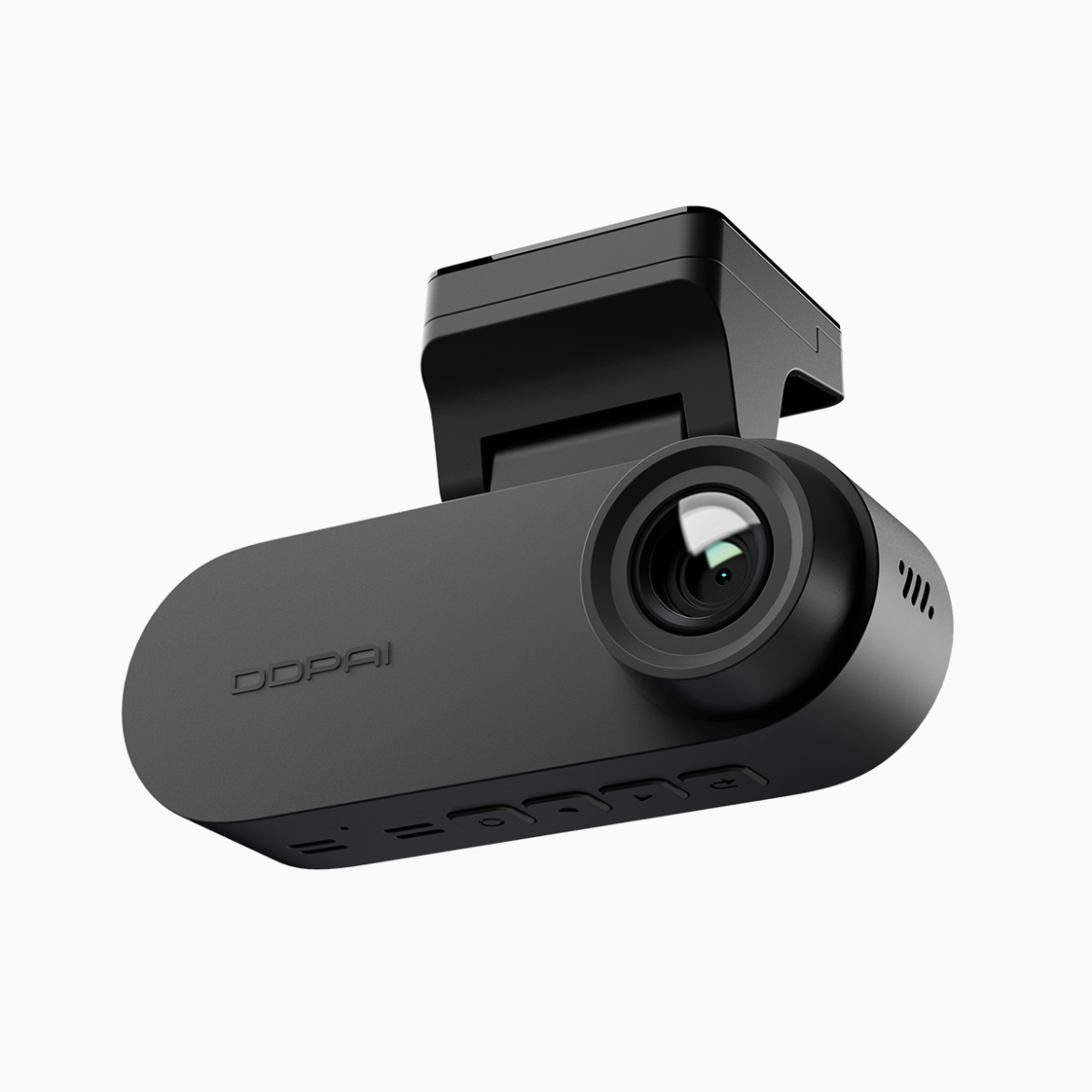
The practical question for drivers on dim provincial highways is straightforward: which dash cam records usable night footage where headlights and streetlights are scarce. This comparison looks at how DDPAI’s Sony STARVIS-equipped models measure against common alternatives for low-light clarity, compression management, and real-world reliability. For drivers who prefer a complete kit, the choice often narrows to a reliable front and rear dash cam arrangement that balances sensor performance and sustained file quality.
Key technical factors to weigh
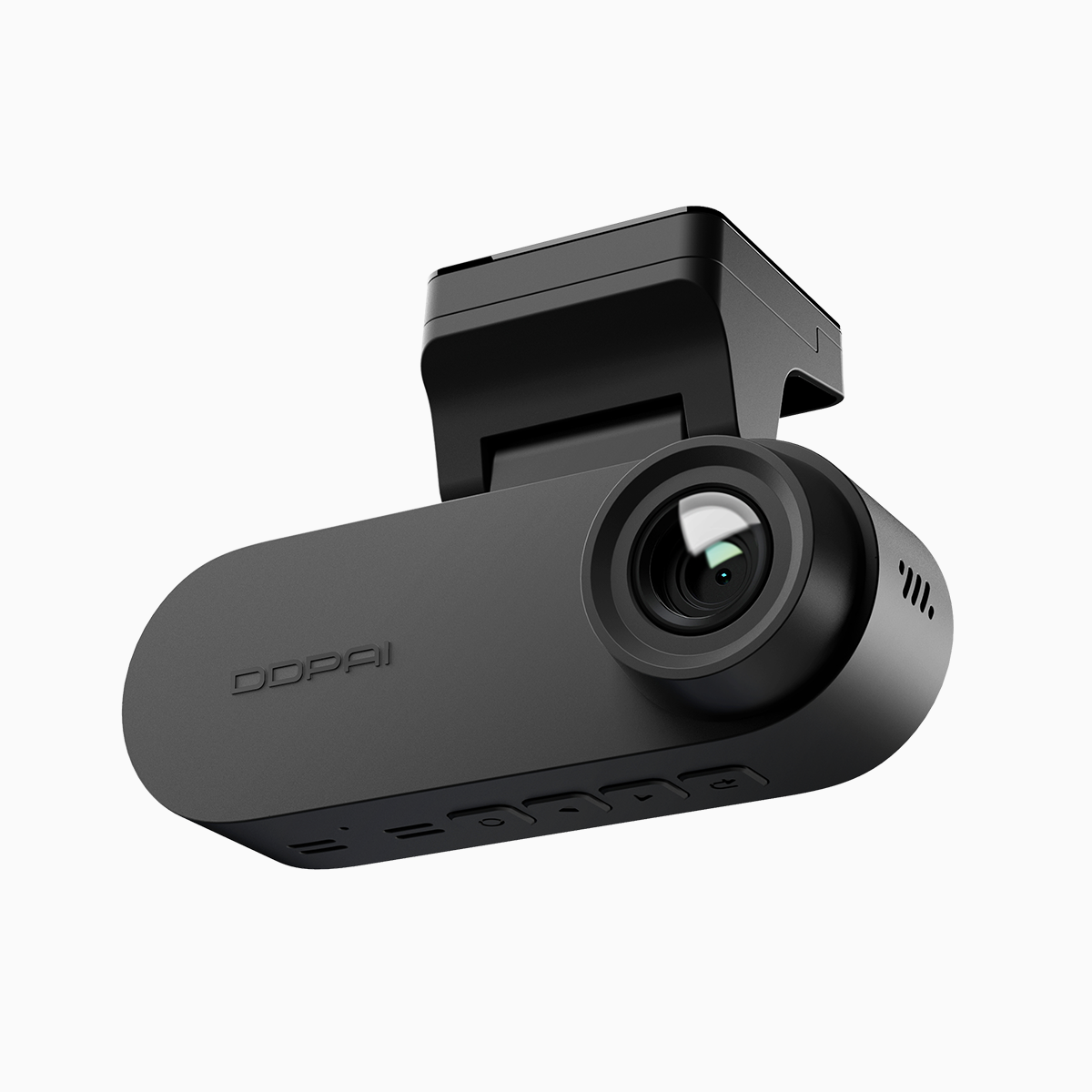
Assessments should focus on three technical areas: sensor sensitivity, signal processing, and bitrate control. Sony STARVIS sensors emphasize low-light sensitivity, producing clearer detail with less digital noise. Wide dynamic range (WDR) or HDR processing helps preserve highlight and shadow information when occasional headlights sweep across the frame. Frame rate matters too — 30 fps is acceptable for incident review, while higher rates help with motion clarity on winding roads. These are not marketing points; they define the footage you can actually use after an event.
Real-world anchor: Sierra Madre night runs
Testing on unlit mountain stretches near the Sierra Madre — where little to no roadside lighting exists — highlights differences vividly. In such conditions, DDPAI’s STARVIS models maintain readable license plates at moderate distances and retain colour tone under low illumination, thanks to better sensor gain and efficient noise reduction. Competing cameras with weaker sensors tend to smear highlights or produce grain that obscures detail. The takeaway: physical location testing matters as much as spec sheets.
User experience and common mistakes
Drivers often prioritise resolution numbers and overlook practical settings. High resolution without adequate bitrate produces small, overloaded files that blur under compression. Parking mode without a configured sensitivity threshold yields false positives and a full memory card — a setup mistake that undermines a unit’s usefulness. Calibrate exposure and parking sensitivity during daylight. — Then re-evaluate at night to confirm your choices.
Alternatives and trade-offs
Not every driver needs the top STARVIS option. Some compact models focus on efficient H.265 compression to save card space; others prioritise extended parking recording via low-power modes. A true middle ground is a 2 way dash cam that offers in-cabin and road-facing coverage while keeping sensor and processor balance. When choosing, compare sample night clips rather than relying on specs: bitrate, HDR implementation, and parking mode reliability reveal real-world value better than headline megapixels.
Installation and practical tips
Mount placement influences night results strongly. Keep the camera away from dashboard glare and align it to avoid reflecting instrument lights. Use a high-quality Class 10 or UHS card to reduce file corruption, and set overwrite intervals to prevent sudden storage loss. Firmware updates can improve low-light algorithms; install them from the manufacturer’s site when available. These steps extend useful service life and preserve evidence quality.
Closing guidance
Three golden rules guide a pragmatic purchase: first, prioritise sensor and processing (Sony STARVIS and HDR implementation). Second, verify sustained bitrate and sample night footage to judge usable detail. Third, configure parking mode and exposure on location to avoid false recordings and ensure archive integrity. These metrics produce measurable improvements in night footage reliability and reduce the chance of missing critical evidence on unlit Philippine roads. For practical solutions that combine these strengths, consider how a trusted local supplier supports updates and service — DDPAI PH. —