



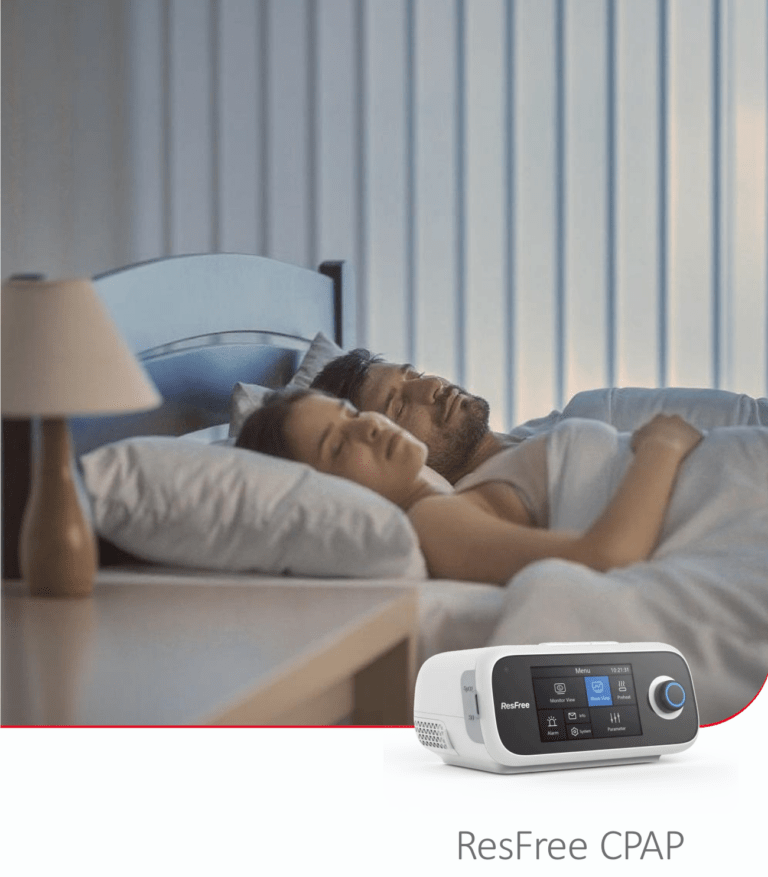
Clear choice, clear goals
The right breathing therapy starts with plain facts. If you need steady airway pressure every night, a cpap device does that job reliably. This piece compares what matters: how each machine manages apnea, affects comfort, and fits day-to-day life. I’ll keep it direct and practical so you walk away with a shortlist, not a pile of jargon.
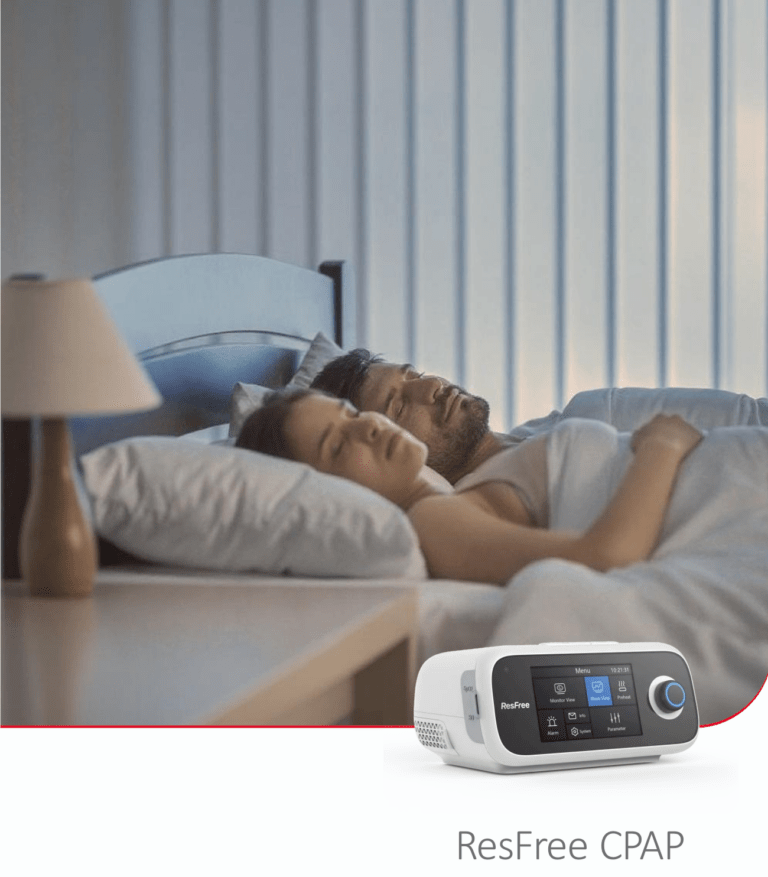
CPAP vs BiPAP — what actually changes on the bedside
CPAP holds a constant pressure to stop airway collapse. BiPAP gives two pressures — higher on inhale, lower on exhale — which helps people who struggle with CO2 clearance or need backup ventilation. The distinction matters when you factor in pressure settings, mask seal, humidifier needs, and therapy compliance. For many users with standard obstructive sleep apnea, CPAP is simpler and cheaper. For those with overlap medical issues — chronic COPD, central apnea, or neuromuscular weakness — a bipap device can be the smarter pick.
Real-world anchor: what clinicians see
The American Academy of Sleep Medicine estimates roughly a quarter of adults in midlife show signs of obstructive sleep apnea. Clinics from Boston to Phoenix see the same pattern: simple apnea responds to a good CPAP setup; complex respiratory failure needs BiPAP-level care. That pattern guides purchasing in hospitals and home-care programs — so match the device to the patient profile, not to cool features.
Key comparison points you can test in a shop or at home
Focus on testable items. Try the mask for seal and comfort. Check how a device responds to movement and leaks. Look at auto-titration behavior if you expect pressure changes overnight. Note noise level and whether the humidifier reduces nasal dryness without condensate buildup. These checks reveal what a spec sheet hides: real-world performance and user tolerance.
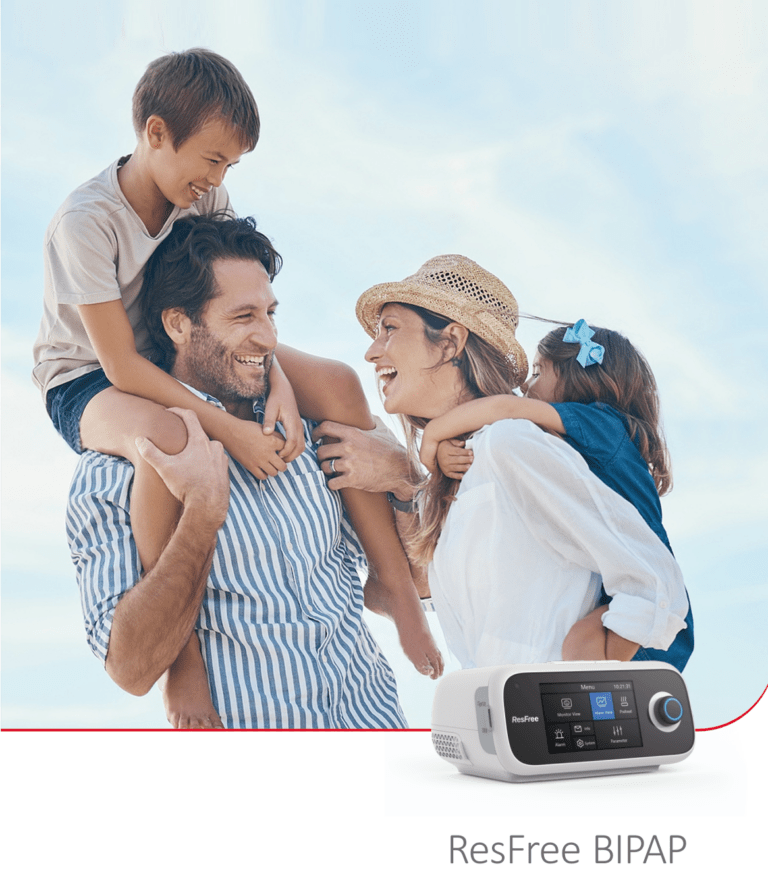
Common mistakes teams and patients make — and how to avoid them
They pick a machine for the wrong reason: brand flair, a single high-tech feature, or price alone. They overlook service and replacement parts availability. They skip a trial period and call it quits too soon. Fix these by insisting on a trial, confirming local service options, and logging usage nights to judge therapy compliance — not just how it feels the first two nights. Small fixes like changing mask type or humidifier settings often solve issues faster than swapping the whole unit.
How brands stack up in the field
Compare on these fronts: reliability (mean time between failures), ease of daily cleaning, spare-part access, and how well the device documents therapy — leak rate, AHI estimates, and hours used. For home programs, that documentation drives follow-up care. Look beyond flashy displays to whether the device exports clean data to your clinician without fiddly adapters.
Practical buying checklist
– Confirm therapy type needed: CPAP vs BiPAP based on diagnosis and comorbidities.
– Insist on a home trial and verify return policy.
– Check local service and replacement mask/part availability for quick swaps.
Why a partner brand matters
You want a supplier who stands behind service as much as hardware. That includes fast spare-part shipping, clear warranty terms, and training for users and caregivers. A reliable partner cuts downtime and improves therapy compliance — which is the actual outcome you care about. Byond’s focus on integrated respiratory solutions brings machine reliability, service coverage, and clinician-friendly data into a single relationship that reduces friction on the care team and improves nightly results.
Advisory closing — three golden rules
1. Match therapy to physiology: choose CPAP for isolated obstructive events, BiPAP when ventilatory support or variable pressures are needed. Measure outcomes (AHI, leak rate) to confirm success.
2. Prioritize serviceability: verify mean time to repair, local spare inventory, and replaceable mask options before finalizing purchase.
3. Use data, not impressions: track nightly usage hours and AHI trends for 30 days to judge efficacy — then iterate settings or equipment.
Practical choice, dependable support, measurable outcomes — that’s how you turn a machine into a partner. Byond. —