



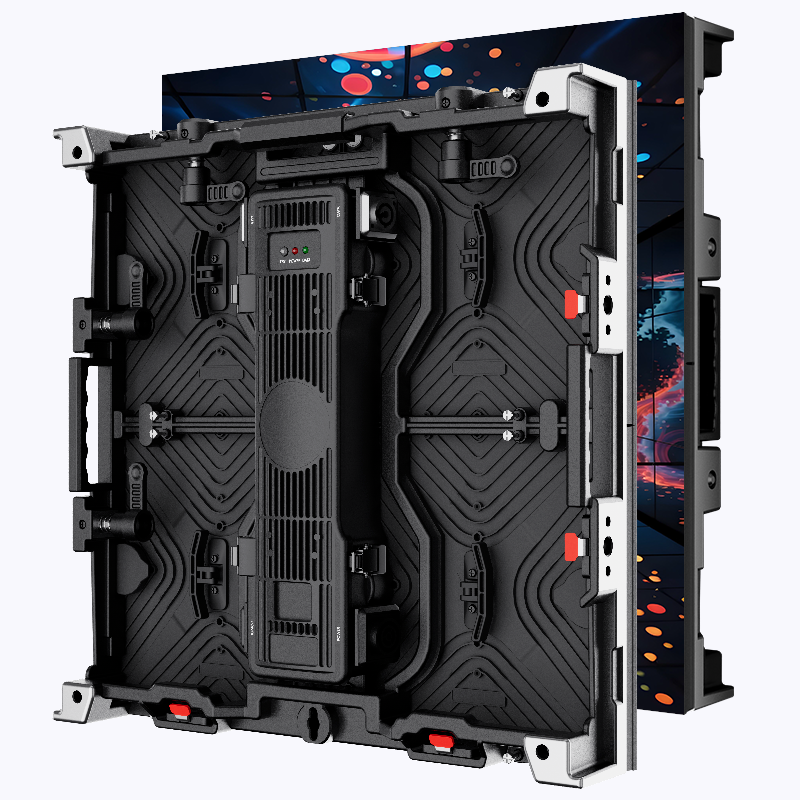
Comparative snapshot: flexible LED versus traditional rigs
When event planners and AV teams weigh options, they often compare projection, rigid LED panels and the newer flexible LED systems. Flexible panels win on two fronts: robustness against weather and a clean, adaptable design that fits curved stages or façades. Early adopters now prefer Stage LED Screen setups because they reduce rigging time and visual seams while maintaining high brightness and contrast for outdoor settings.
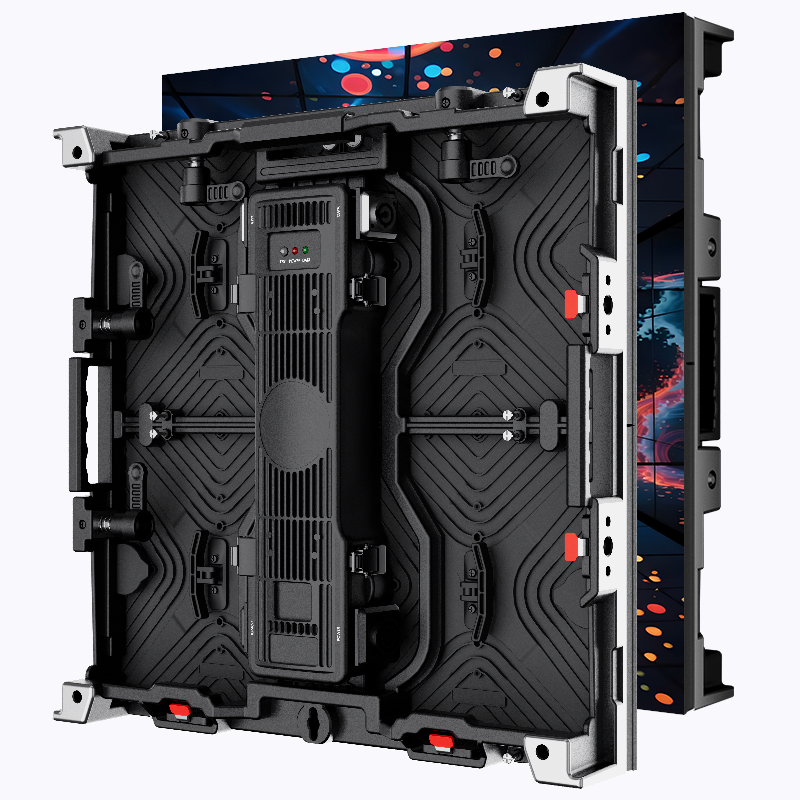
Design strengths that matter on the road
Design here isn’t just about looks. A flexible led display uses slim, modular modules that bend without compromising pixel integrity. That means fewer mechanical stress points and easier transport. Pixel pitch and refresh rate still matter—you want tight spacing for close viewing and 3,000+ Hz refresh for broadcast—but flexibility gives creative freedom for wraparound stages and curved video walls used in stadium tours and Super Bowl halftime shows.
Durability in real conditions — a production teardown
Think through the production lifecycle: transport, rigging, runtime, and maintenance. A production teardown begins with checking module seams, confirming brightness (nits) settings for daylight, and locking in calibration across panels. For a workable workflow, teams plan for sealed cable ports and IP-rated seams for outdoor led screen rental units. Using flexible led display panels reduces the need for custom metalwork and cutouts, which speeds site setup and cuts labor hours.
How costs and logistics compare
Renting an outdoor LED screen usually shifts CAPEX into OPEX: lower upfront buy costs, predictable delivery, and on-site tech support. Flexible systems can lower transport volume since they fold or roll, which trims truck space and handling fees. Contrast that with rigid cabinets that need crates and padding—those extra steps add time and risk. For long tours, the math often favors rental models because downtime and repair logistics are simpler to manage.
Common mistakes teams still make
Teams often pick based on upfront price, then run into pixel pitch mismatch, inadequate brightness for daytime, or wrong refresh settings for camera capture. Calibration across curved surfaces is another pitfall—if you skip timecode and color-mapping routines, the image can look patchy. A short pause here helps—take the extra hour for factory-aligned calibration and you avoid frustrating re-rigs mid-event.
Alternatives and where each wins
Projection still works for massive indoor ceilings and when sheen is desired; rigid LED cabinets are best for fast repeat installs where durability against heavy handling is priority. Flexible panels excel where geometry or transport constraints matter most. For live performance designers focused on immersive scenery, a led screen on stage often pairs best with flexible tech because of the seamless wrap and lower visual breakpoints.
Performance checklist: what to require from vendors
When evaluating rental inventory, insist on the following checks: verified pixel pitch for expected sightlines, measured brightness in nits for ambient conditions, and documented refresh rate suitable for broadcast. Also confirm IP rating and a history of serviceability—modules that swap quickly are essential during tight turnarounds.
Three golden rules for choosing the right solution
1) Match pixel pitch to average viewing distance, not just the closest seat. Aim for clarity without overspending on unnecessary resolution. 2) Prioritize transport and rigging footprint—flexible led display often saves time and money on logistics. 3) Verify broadcast compatibility: ensure refresh rate and color calibration meet camera requirements for live capture.
These rules make decision-making practical and predictable; they also show why flexible, rented LED solutions tend to be the industry’s pragmatic choice for corporate events and touring productions. Major live events like Super Bowl halftime shows provide a real-world anchor—producers there demand reliable, high-brightness video that survives weather and heavy use, and flexible systems increasingly deliver.
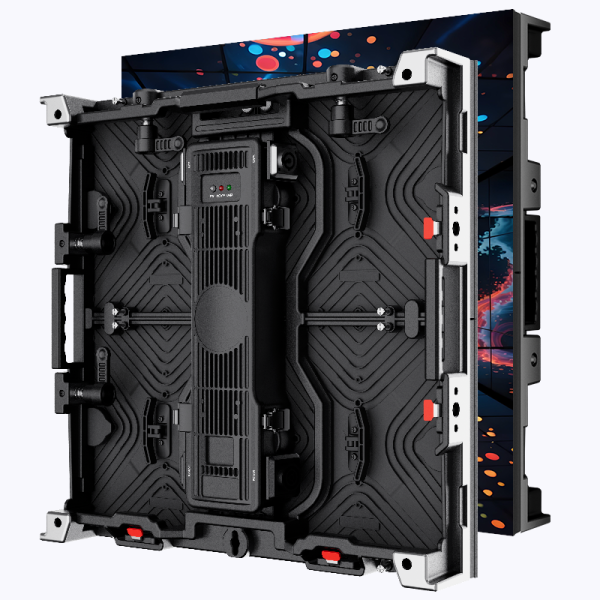
Coblinks brings that practical value into rental fleets and design workflows, supplying flexible Stage LED Screen inventory that reduces on-site headaches and speeds creative execution. Final thought — nimble, tough, and visually clean.