



Why Bidirectional Matters Now
Bidirectional charging is simple in theory: energy can flow from grid to car and from car to grid. A 950V charging module makes that flow stable and efficient at higher voltage. Picture a snowy evening in a dense district; apartments glow, lifts run, buses queue to recharge. Now imagine 1,000 parked EVs acting as tiny power plants—each sharing 3–5 kW—helping the grid hold steady. That is a quiet revolution already tested in pilot zones. Yet the engineering core is often missed: voltage architecture, galvanic isolation, and control loops decide whether this vision stays stable (and safe).
We see the numbers. Higher pack voltages reduce current and cut heat in power converters. Lower current means thinner cables and smaller inductors. Data from field trials show fewer thermal alarms and tighter efficiency bands when the DC bus sits near 900–950 V. But is this enough to move from pilots to scale? Can homes, depots, and city grids trust cars as flexible assets without extra failure modes? The question is not hype; it is reliability under real load. In this piece, we compare paths—old versus new—and ask which design choices hold up when the grid leans on your car. Let us move to the core constraints.
The Hidden Flaws in Traditional Low-Voltage Designs
Where is the real bottleneck?
Direct answer first. Most legacy chargers run lower bus voltages, so they need higher current for the same power. High current means more I²R losses, hot cables, and bulky magnetics—funny how that works, right? Thermal drift then forces derating. The result is slower charge, noisy fan curves, and unhappy users. In bidirectional mode, these limits get worse, because discharge has the same bottleneck. With a 950 V DC bus, the same power rides on less current, which keeps MOSFET stress down and widens the safe throttle range. Look, it’s simpler than you think.
Hidden pain points do not stop at heat. Many one-way designs bolt on V2G later via firmware, without proper galvanic isolation. That creates EMI headaches and grid compliance risk. Control traffic over CAN bus becomes chatty during fast transients; loop stability suffers. Edge computing nodes at the site controller cannot fix a weak power stage. A high-voltage, isolated topology with SiC MOSFETs and proper DC-link design reduces switching losses, keeps harmonics tame, and protects the battery state of health. In short, the low-voltage quick fix is cheap at first, costly at scale.
Looking Ahead: Principles and Practical Gains
What’s Next
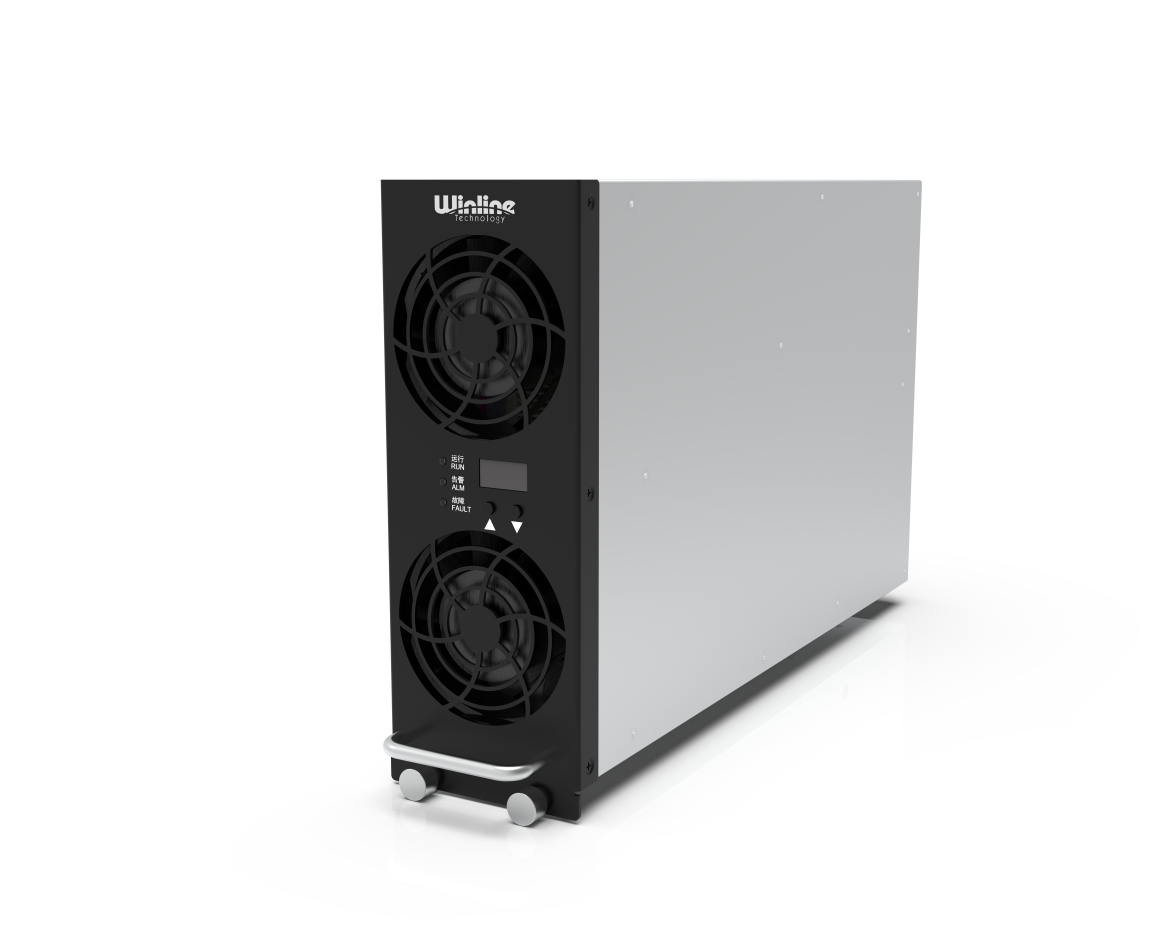
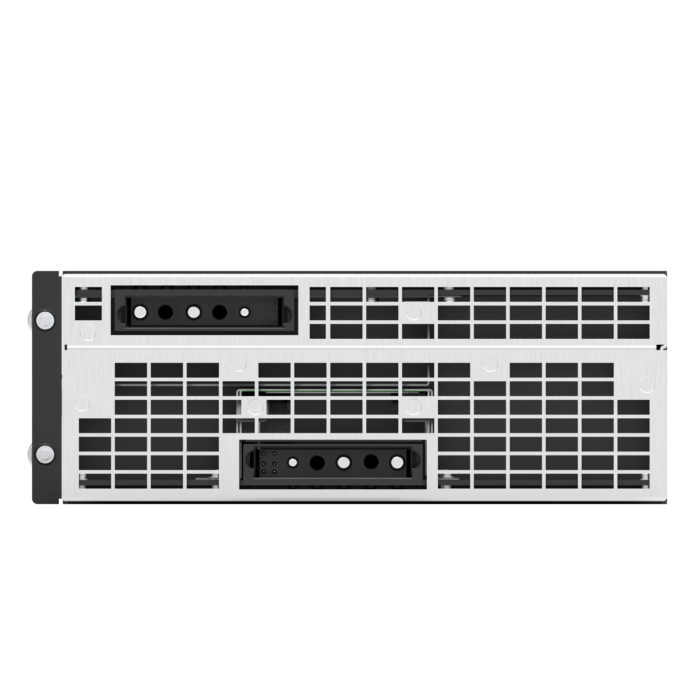

Forward view. New designs center on three principles: raise the bus voltage, isolate the energy path, and tighten the digital control. A modern bidirectional stage uses phase-shifted full-bridge or dual-active-bridge topologies with precise soft switching. That allows high efficiency at light and heavy load, which matters for peak shaving and trickle V2H alike. Here is the comparative leap: a 950 V platform keeps current low across the envelope, so thermal margins stay predictable. Pair that with an isolated DC DC module 20 and you get clean isolation, lower common-mode noise, and simpler paths to grid code compliance. It is not only speed; it is resilience under messy, real grids—brownouts, harmonics, and sudden load steps.
Consider a depot that runs 60 buses. Nighttime charge needs are high; daytime export stabilizes a weak feeder. With 950 V modules, the site trims copper, shrinks cooling hardware, and reduces downtime from thermal trips. The control stack—DSP-based with fast current loops—keeps bidirectional transitions smooth. Users report quieter operation and fewer nuisance faults. We can distill this into three practical metrics for selection: 1) Efficiency at partial load across 20–80% range; 2) Thermal performance under continuous bidirectional cycling (no aggressive derate cliffs); 3) Verified isolation and EMI performance, including conducted and radiated tests. Meeting those, you get predictable OPEX and calmer grid interactions—small details, big outcomes. For brand context and further technical references, see winline charging station.