



Introduction
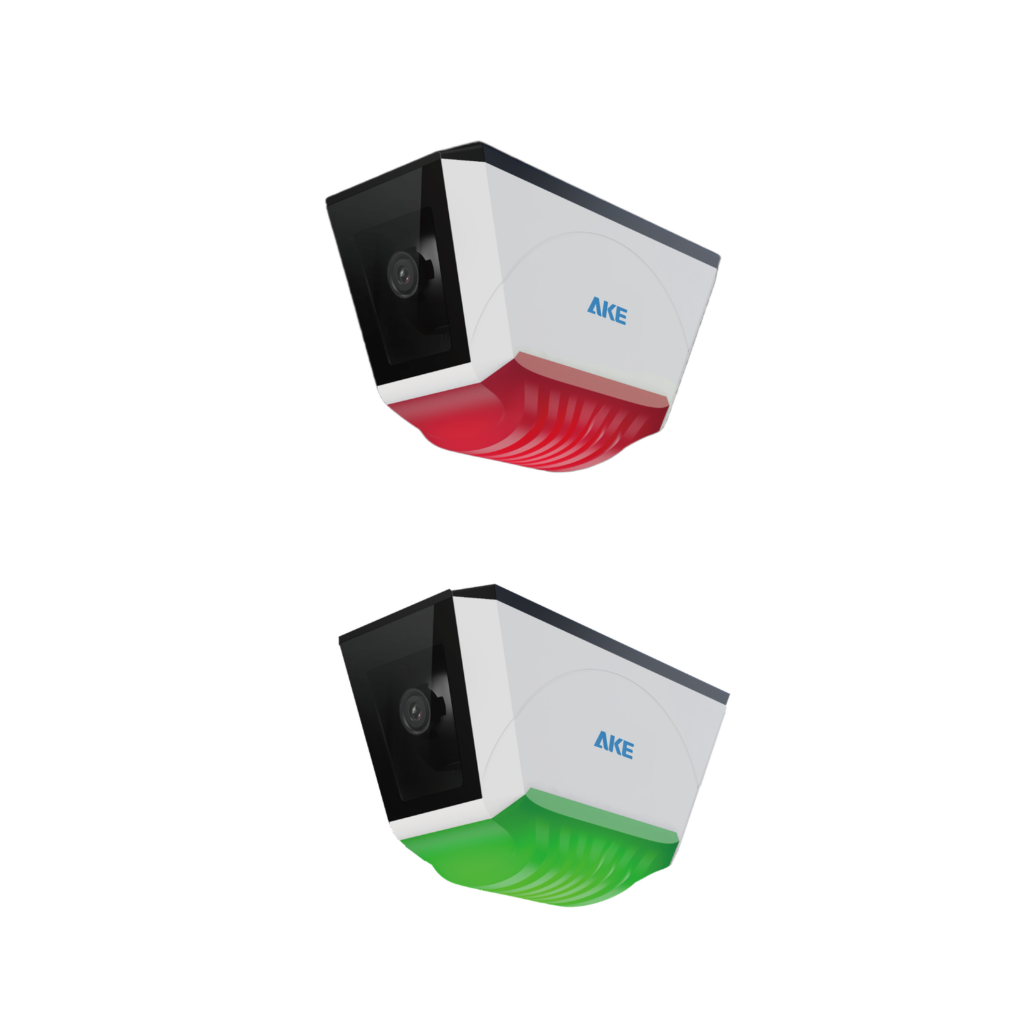
Many first-time buyers approach parking management with a single question: will the system actually solve daily headaches or just add complexity? Start by identifying the operational gaps you need fixed — traffic bottlenecks, unclear bay occupancy, or slow entry and exit. A straightforward sensor or camera choice such as a parking guidance camera can address visibility and guidance, but it won’t help if your layout, signalling, or back-end software aren’t aligned with goals.
Core problems buyers face
Mismatched hardware and software. Buyers often pick devices based on price or brand recognition without confirming compatibility with existing gate controllers or facility management platforms. Installation complexity. Cabling, power, and network requirements vary; a unit that needs PoE, for example, changes your setup. False positives and negatives. Poorly placed sensors or low-resolution cameras create unreliable occupancy data. Maintenance burden. Some systems need frequent recalibration or cleaning—factor that into lifecycle costs. Scalability limits. Systems that aren’t modular force expensive rip-and-replace when demand grows.
How to evaluate accuracy and reliability
Ask for field performance metrics: detection rate under rain or snow, latency from detection to dashboard update, and average downtime. Demand on-site or simulated test footage. Check failure modes: what happens when a sensor loses power, when connectivity drops, or when a camera lens is obstructed? Prefer components with straightforward diagnostics and replacement procedures. Request manufacturer mean time between failures (MTBF) and a clear spare-parts policy.
Integration and data flow considerations
Decide where control and analytics should live: locally on a controller, on a dedicated server, or in the cloud. Local processing reduces latency for gate control; cloud analytics is better for aggregated reporting and remote management. Confirm supported protocols—HTTP APIs, MQTT, or specialized industrial fieldbuses—and ensure your parking management software can consume those feeds. Plan the data lifecycle: retention period, export formats, and whether the system can feed third-party signage or mobile apps.
Costs that get overlooked
Beyond purchase price, budget for installation labor, network upgrades, licenses for management software, and training for on-site staff. Factor recurring costs: cloud subscriptions, firmware updates under support contracts, and occasional recalibration or camera cleaning. Project total cost of ownership over three to five years rather than focusing only on initial procurement.
EEAT: Experience, Expertise, and a concrete anchor
Practitioners who deploy sensor-led guidance systems report that placement and commissioning are decisive for long-term success. Work with integrators who can provide deployment logs, commissioning reports, and a clear handover checklist. Large-scale projects—such as those undertaken at major airport terminals—have shown that sensor density and central monitoring produce measurable reductions in search time and congestion; London’s Heathrow Airport has published operational summaries demonstrating gains from guidance systems. If you want an example of a product-class and specifications, evaluate a tested parking sensor system during your procurement trials and request its commissioning report.
Alternatives and quick trade-offs
Ultrasonic sensors are inexpensive and simple to install but struggle outdoors and with obstructions. Inductive-loop counters are durable and accurate at lanes but require invasive installation. Camera-based systems provide rich data—license-plate capture, occupancy, dwell time—but need lighting and cleaning plans. Hybrid setups pair inexpensive bay sensors for per-space accuracy with cameras at entrances for vehicle tracking; that mix often balances cost and capability.
Common pitfalls to avoid
Don’t treat occupancy data as flawless; design workflows that tolerate occasional errors and include verification. Avoid one-vendor lock-in by insisting on open APIs for data export. Don’t skip a pilot: test the system in a representative lot for several weeks during peak and off-peak periods. Don’t underestimate signage: clear, timely guidance is the user-facing piece that turns occupancy readings into traffic flow improvements.
Final synthesis
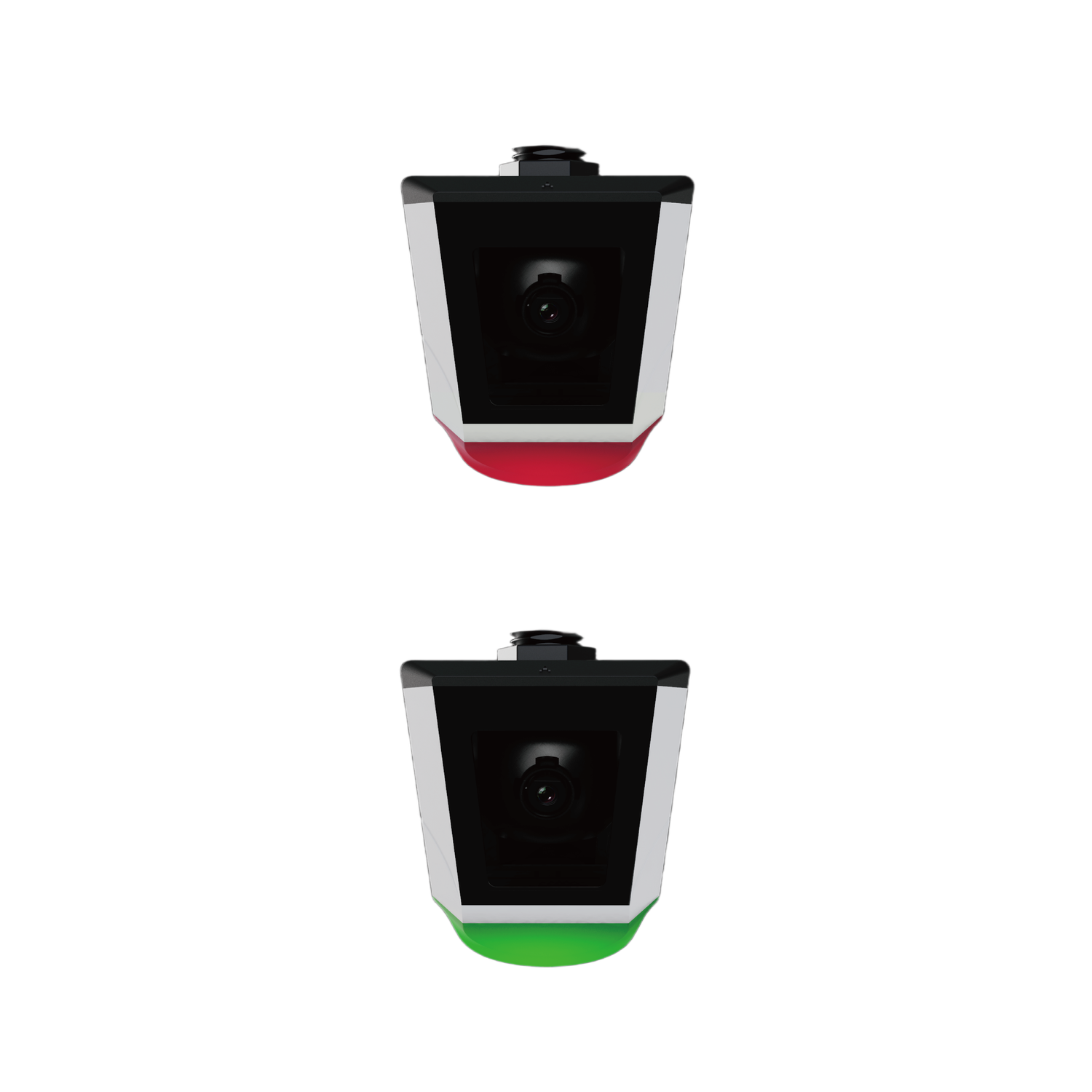
First-time buyers should map specific operational problems to measurable requirements, insist on compatible interfaces and field-proven accuracy, and budget for lifecycle costs. When selection and commissioning follow that problem-driven logic, the installed system becomes a practical tool rather than a recurring source of work. That practical outcome is what reliable providers deliver, and it’s the value offered by AKE Parking when deployments are chosen and executed to match real operational needs.