




Introduction: The Urgent Need for Effective Solutions
Imagine a world where managing diabetes no longer feels like an endless struggle. Unfortunately, many people living with diabetes face a daily battle against fluctuating blood sugar levels. According to the International Diabetes Federation, over 537 million adults were affected by diabetes in 2021—a figure projected to rise. In this context, the idea of a closed loop artificial pancreas emerges as a beacon of hope. This advanced system integrates glucose monitoring and insulin delivery, aiming to simplify diabetes management. Can cutting-edge technology really offer the solution we’ve been searching for?
Traditional Solutions Flaws
Traditional diabetes management methods, such as multiple daily injections of insulin and finger prick tests, come with significant limitations. These solutions often lead to complications, including hypoglycemia and suboptimal blood glucose control. Moreover, patients often feel overwhelmed by constant monitoring, resulting in burnout and reduced adherence to treatment. The technology that has long been utilized lacks the automation and precision necessary for optimal management. Why do failures always occur during critical moments? It becomes evident that manual adjustments simply do not meet the demands of a complex condition like diabetes.
New Technology Principles
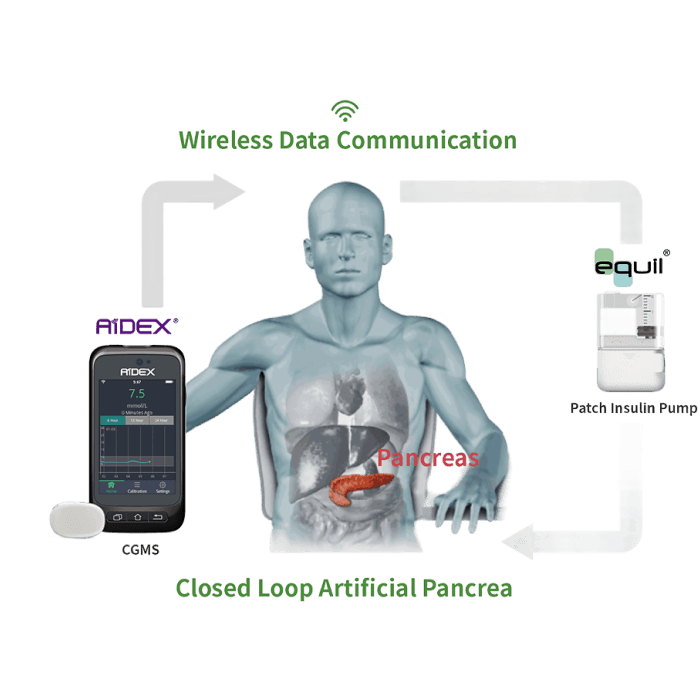
Enter the closed loop artificial pancreas, a revolutionary approach that leverages continuous glucose monitoring (CGM) and automated insulin delivery systems. These systems utilize real-time data to make informed decisions on insulin administration, effectively mimicking healthy pancreatic function. By incorporating advanced algorithms and biocompatibility principles, the human body can function more like a well-oiled machine. Look, it’s simpler than you think—by taking the “guesswork” out of diabetes management, patients gain better control over their health. This seamless integration of technology and medicine provides a pathway to improved quality of life.
Quantified User Benefits
Users of closed loop artificial pancreas systems report significant benefits, including decreased hypoglycemic episodes and improved overall glycemic control. Studies indicate that patients using these devices experience an average A1C reduction of 1.0%—a substantial leap towards achieving target blood glucose levels. Additionally, the psychological burden of constant monitoring is alleviated, allowing individuals to reclaim their lives without the constant anxiety of managing their condition. It’s clear: the long-term advantages of employing this innovative technology far outweigh the drawbacks of traditional methods. In the fight against diabetes, incorporating advanced solutions is no longer optional.
Conclusion: Key Evaluation Metrics for Technology Adoption
As we navigate the complex landscape of diabetes management, a clear path emerges. Always verify these 3 metrics when choosing solutions: ① effectiveness in blood sugar control, ② user-friendliness, and ③ long-term safety profiles. Ensuring these criteria are met will guide patients and healthcare providers alike in selecting the best tools available. The closed loop artificial pancreas represents a monumental step forward in diabetes care—can we truly afford to overlook such transformative technology?
Additional Insights on Diabetes Monitoring Devices
With the rising prevalence of diabetes worldwide, the need for effective diabetes monitoring devices has never been more critical. These devices not only track glucose levels in real-time but also provide valuable insights that empower users in managing their diabetes effectively. The integration of technology into daily care routines has made it easier for patients to engage with their health actively. After all, who wouldn’t want a tool that helps track their blood sugar levels without the hassle of manual tracking? With advancements in diabetes monitoring, users can enjoy improved health outcomes and a sense of security that comes from better control over their diabetes.
Exploring the Diabetes Artificial Pancreas
The development of the diabetes artificial pancreas showcases how technology can innovate healthcare solutions to meet patient needs. By automating insulin delivery based on glucose data, these devices offer a more responsive approach to blood sugar management. Imagine a scenario where the anxiety of sudden blood sugar spikes or drops is alleviated simply through a device’s smart algorithms. As patients gain confidence in their management tools, their quality of life improves markedly, allowing them to engage more fully in daily activities. The diabetes artificial pancreas not only enhances diabetes care but also contributes to more proactive health management in what can sometimes feel like a reactive healthcare landscape. This transformative technology signifies a new era in managing diabetes.
In conclusion, the closed loop artificial pancreas stands as a promising solution amidst the increasing diabetes crisis. With brands like MicroTech leading the way in the development and supply of these advanced technologies, patients are given the tools to better control their health and navigate their daily lives with confidence. Investing in such innovative solutions might just redefine what diabetes management looks like.