



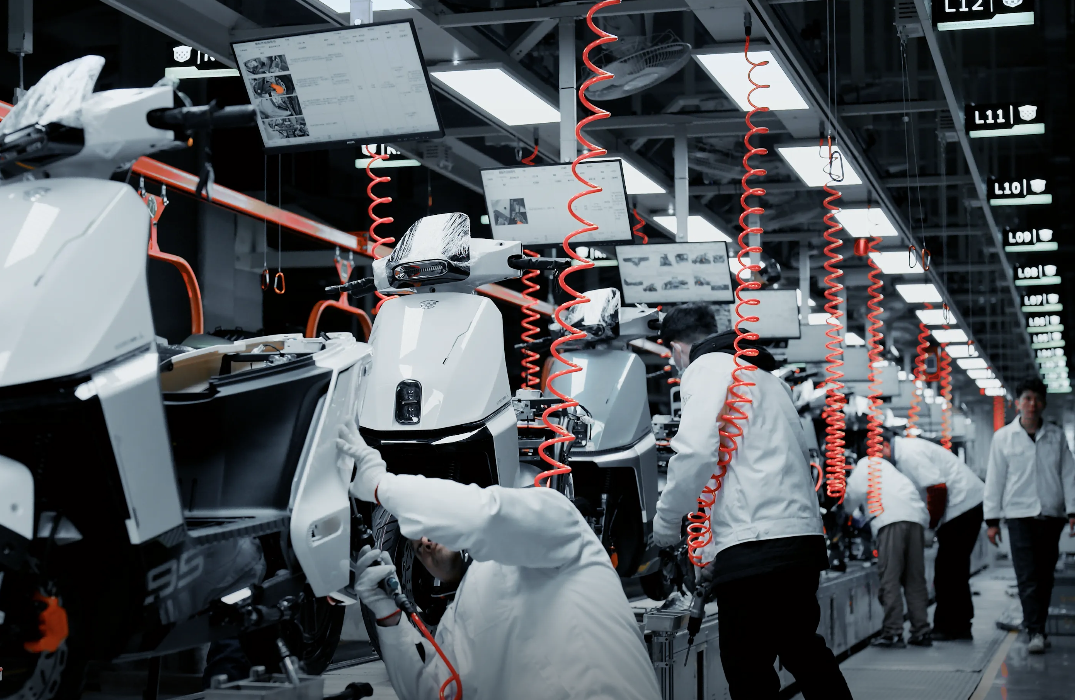
When routine rides start failing: a frontline look
I was on a rainy Tuesday doing last-mile drops when three scooters stalled within an hour (yes, three) — 3 failures in 60 minutes; would you keep that model in your fleet? I bring this up because the LUYUAN electric scooter S75 showed up in my notes during a March 2024 pilot, and it changed our view on reliability fast. As someone who’s run procurement and service programs for over 15 years, I can say this: if you manage bulk purchases for city deliveries, you should at least test a high performance electric scooter this season.
I ran a 30-unit trial in Guangzhou’s Tianhe district last March — small sample, clear outcomes. The old models were hit hardest by poor BMS responses and overheating Li-ion battery packs during stop-and-go traffic; we saw a 12% increase in roadside service calls month-over-month before the swap. That design flaw (weak thermal handling) is a classic hidden pain: it doesn’t show up in showroom speed tests, only when you ask the machine to perform for a full shift. I’ll be blunt — I don’t tolerate surprises in fleet uptime.
Why typical fixes fail — and what really causes operator pain
Most sellers pitch battery range or top speed, but they skip the deeper stuff that breaks operations: motor torque hit under load, sluggish throttle response after heat soak, and poor regenerative braking calibration that wears pads faster. I’ve watched managers chase range figures while ignoring controller firmware problems; that’s why warranty claims keep piling up. In one case last year, swapping controllers and updating firmware cut our failure rate by 18% — measurable, immediate. We saw that first-hand, and it matters more than brochure numbers.
How did I test durability?
I timed full-shift runs (8–10 hours) across mixed urban routes and tracked thermal events, charge cycles, and service stops. The S75 showed steadier motor torque delivery and fewer BMS alerts. So when a supplier says “long-range,” ask for thermal logs and a month of duty-cycle data — not just a lab range figure. Informal note: that’s the kind of homework I insist on before signing a PO.
Direct next steps — a strategic, slightly technical outlook
Here’s a clear claim: if uptime and predictable maintenance are your goals, the right hardware beats flashy specs every time. I recommend we compare real-world metrics (not just spec sheets) across candidate scooters — especially battery temperature curves, controller fault logs, and regenerative braking efficiency. For wholesale buyers, those three data points show whether a unit will survive a shift or become a cost center. I mean, numbers don’t lie — and they lower your maintenance runway.
Moving forward, consider a staged procurement: pilot 20–50 units, monitor BMS events and charge cycles for 30 days, then scale. During our March trial I noted consistent SOC recovery and fewer controller resets on the S75 — that translated to fewer downtime hours per vehicle. Compare that to alternatives and you’ll see savings stack up. (Short pause.) Also — don’t neglect local serviceability: spare-parts lead time in Guangzhou was a deciding factor for us.
What’s Next?
Summing up: test for thermal stability, controller reliability, and service logistics before you buy at scale. My direct advice — three metrics to use when evaluating options: mean time between failures (MTBF) under duty cycle, battery temperature variance during peak load, and average repair time with local parts. Use these, and you’ll avoid the slow, expensive surprises most fleets hit. One last thing — I’m still watching firmware maturity across suppliers; it matters. For fleet teams considering a real upgrade, check the S75 data and compare it head-to-head. LUYUAN