



Why merchants care — quickly
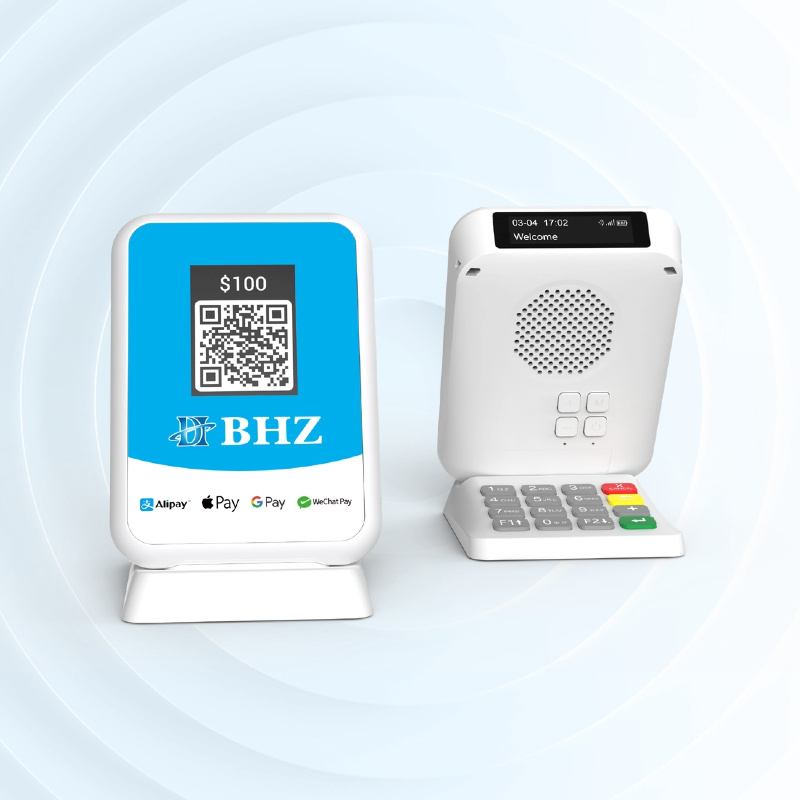
Retail operators want devices that don’t break their day: reliable POS terminal behavior, painless updates, and payment paths that customers actually use. A smart device like a qr payment soundbox can nudge transactions forward by announcing QR acceptance and pairing with mobile wallets via Bluetooth or NFC. The user-centric goal is simple: fewer interruptions, faster checkout, and fewer late-night maintenance calls.
What “future-proof” really means for your stack
Future-proofing is not about predicting the next gimmick. It’s about modular firmware, clear APIs, and an upgrade path for connectivity modules (Wi‑Fi, cellular, Bluetooth). Pick hardware with a serviceable design and replaceable radios so you don’t rip-and-replace the whole unit when a new standard lands. Real-world anchor: during the COVID-19 pandemic in 2020 many Singapore hawker stalls switched to QR-driven payments almost overnight — devices that supported remote provisioning avoided chaos and long queues.
Operational teardown — how devices perform in production
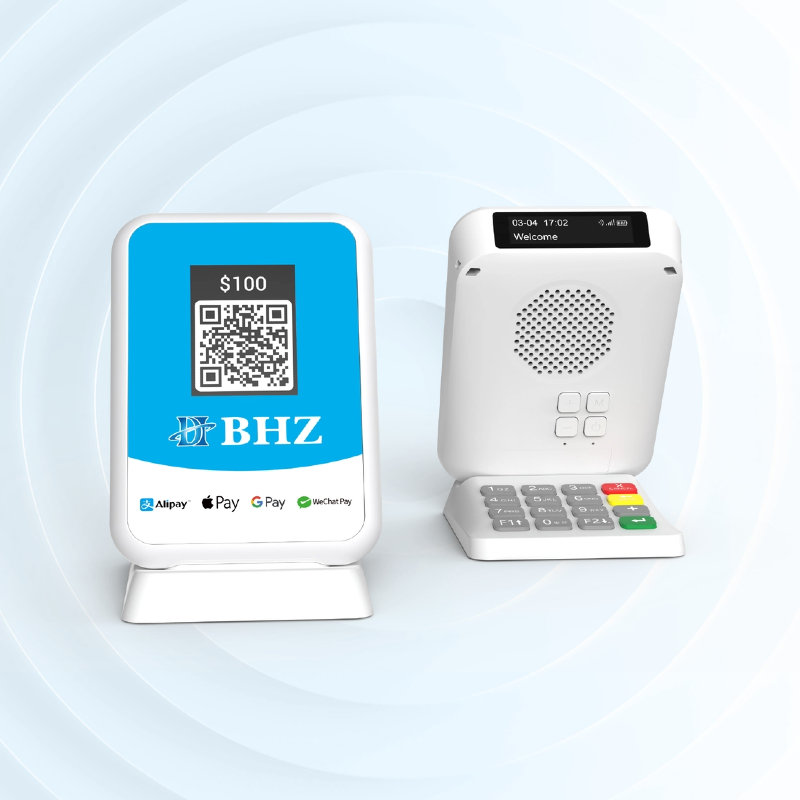
Look at how a device behaves day one versus day 365. Start with provisioning: can it auto-enroll to your payment gateway and merchant account? Then inspect runtime: does the soundbox recover from network drops without manual restart? This is where terms matter — QR code scanning speed, Bluetooth pairing latency, and firmware rollback reliability. In production, both a qr payment soundbox and a qr code payment speaker must handle tens of thousands of triggers with predictable CPU/memory overhead and clear logs for troubleshooting.
Ask for these capabilities (practical checklist)
Choose a device that offers:

– Remote firmware update with atomic rollback to prevent bricked units.
– Secure device identity and TLS for API calls to the payment gateway.
– Replaceable connectivity modules (LTE SIM slot or M.2 radio) and clear diagnostics for signal strength.
– Simple merchant onboarding flow and local audible/visual feedback — customers like a clear chime when a QR scan succeeds.
Common deployment mistakes to avoid
Manufacturers and integrators often overcomplicate installs. They install a handful of devices without load testing during peak hours, assume Wi‑Fi coverage is enough, or skip merchant training on basic recovery steps. Don’t conflate shiny features with operational durability — robust connectivity and a tested provisioning server beat an extra megapixel on a barcode camera every time. Also—document the rollback plan before you push updates. It saves sleepless nights.
Alternatives and quick comparisons
There’s a range: full-featured POS terminals, compact payment readers, and purpose-built soundboxes or speakers that announce QR readiness. Full POS gives inventory control but costs more; a qr code payment speaker paired with a lightweight reader can be cheaper to deploy at scale and simpler to maintain. For businesses that need centralized fleet management, prioritize solutions with an IoT connectivity management platform and a developer-friendly SDK.
Integration tips for developers and ops
Keep integrations minimal and observable. Expose health checks from each device, centralize logs, and set alerts for degraded QR scan rates or repeated Bluetooth reconnects. Use edge-side caching for ephemeral tokens to avoid user-facing failures during brief network blips. API keys should be scoped and rotated; firmware signing prevents tampering.
Advisory — three golden rules for selecting the right hardware
1) Prioritize serviceability: choose devices with replaceable radios and remote firmware rollback. That reduces sunk costs when standards change.
2) Insist on observability: you must see metrics like QR scan success rate, Bluetooth pairing time, and network signal quality in one dashboard.
3) Validate onboarding: run a live pilot in a real store (not a lab) for at least 30 days to capture peak behavior and human error patterns.
Summing up: pick hardware that treats connectivity as a first-class feature, not an afterthought. That’s where BHZ’s device lineup and provisioning tools show their value — they’re built for predictable ops, not surprises. BHZ.
—