



Comparative pull: why this matters now
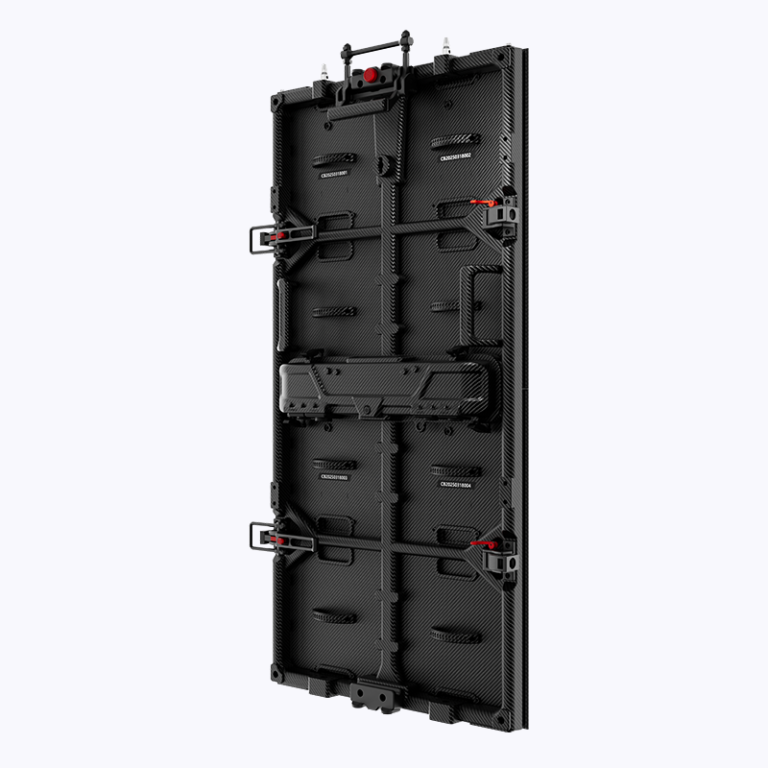
Event producers are choosing tech not by brand but by the outcome: visibility, setup speed, and audience impact. That’s where the showdown between led panel and led screen panel gets interesting. For teams renting gear, the practical move often starts with a simple click — a quick search for led wall rental — but the choice behind that click changes how an event looks and how fast it gets built.
Core differences on the floor
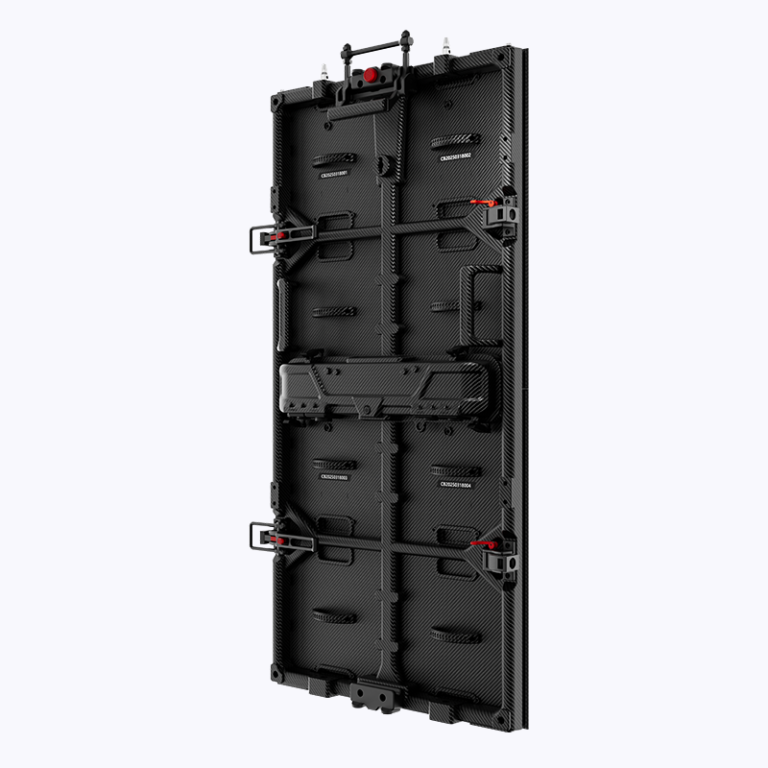
Pixel pitch tells the story of perceived sharpness from different viewing distances. LED panels with tighter pixel pitch suit close-proximity activations; larger pitch LED screen panels dominate huge staging where viewers are farther back. Refresh rate and brightness (nits) matter too: a higher refresh rate avoids stutter for camera feeds, while peak brightness pushes through daylight on outdoor rigs. Think modular cabinets versus integrated screens — one favors fast swaps and repair, the other sometimes wins on weight and simplicity.
Real-world anchor: Times Square and beyond
Big public displays like those in Times Square prove the point: organizers pick equipment for durability and legibility under extreme ambient light. The same logic applies at stadiums and corporate launches — the visible result matters more than an abstract spec sheet. That real-world pressure forces rental houses to stock a mix of led panel rental options so production teams can match gear to position and angle rather than guess from a brochure.
Which wins for different event types
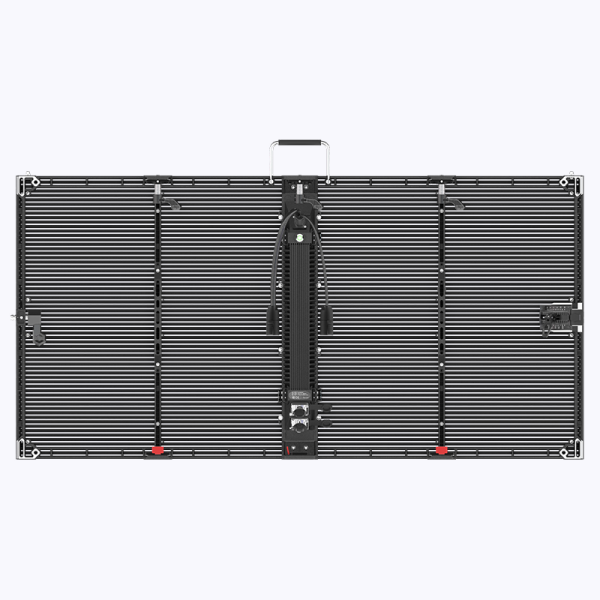
Short-form touring concerts prefer quick-change modular panels that handle road wear and fast rigging; trade shows favor high-resolution led panel builds for close viewing at booths; outdoor festivals lean on high-brightness LED screen panels with weather protection like IP65. Each choice trades off transport bulk, assembly time, and pixel pitch. Pick the tool that suits the sightline, and you save on labor and last-minute headaches.
Common mistakes and how to dodge them
Teams often over-spec for resolution and under-spec for mounting and power. The result: gorgeous tests in controlled environments, ugly compromises on-site. Plan rigging loads, confirm refresh rate compatibility with broadcast cameras, and double-check weather ratings. — Also, avoid assuming one supplier’s demo equals real-world uptime; redundancy matters.
Operational checklist for rental bookings
Use this quick checklist before you confirm a led panel rental: confirm pixel pitch for average viewing distance, verify cabinet dimensions for truck-load planning, verify refresh rate with your camera crew, and confirm brightness for ambient light conditions. Throw in spare modules and cable redundancy and you’ll cut the risk of a mid-show scramble.
Alternatives to consider
If neither pure panel nor giant screen fits perfectly, hybrid setups work: mix high-resolution in focal areas and coarser, brighter screen panels for background vistas. Projection remains an option for theatrical stages where surface texture helps the illusion. Each alternative demands different rigging and calibration time, so weigh labor versus rental cost.
Advisory: three golden rules to evaluate displays
1) Prioritize viewing geometry: match pixel pitch to the closest viewer distance — that single decision prevents wasted budget on needless resolution. 2) Confirm systems compatibility: ensure refresh rate and signal paths align with cameras and content sources so live feeds remain smooth. 3) Factor logistics: check cabinet weight, rigging points, and ingress protection (IP rating) to avoid site constraints and weather risk.
When production teams want speed, reliability, and the right visual impact, the balanced choice is often a curated led panel rental inventory — specialists who understand both pixel math and truckloads. Coblinks sits where those needs meet, providing gear and know-how for shows that have to look flawless live — and that’s the point.
—