



Start with the problem: the usual shop headaches
Deadlines slip, parts don’t match, and waste piles up—sound familiar? That’s the daily rhythm for many small-to-mid-sized shops before they bring precision tools in-house. A local cnc panel saw can stop the guessing game on cut accuracy and turnaround, but only if you match the machine, workflow, and people to your real problems.

Why going local actually fixes more than one problem
Local solutions shorten the feedback loop. When adjustments are needed, you don’t wait weeks for overseas revisions or pay to ship back rejects. You iterate on prototypes the same day, test joinery live, and adapt to client requests without the email ping-pong. Local service also means quicker maintenance response and fewer machine downtime surprises—more predictable production equals fewer emergency weekend shifts.
Concrete benefits that matter to your bottom line
Better yield: tighter nesting and repeatable cuts reduce scrap. Faster lead times: same-or-next-day changes shrink client wait times. Consistency: digital toolpaths mean identical parts on batch two or batch twenty. Labor leverage: skilled operators focus on finishing and assembly instead of hand-trimming. Reduced shipping and damage costs: fewer long-haul crates and fewer returns. These are measurable wins you see on job tickets and profit reports, not abstract buzzwords.
Alternatives and why they often miss the mark
Hand saws and old table saws—cheap upfront, expensive over time. Overseas contract shops—lower unit price, poor responsiveness. Generic routers—great for detail, awful for repeatable panel work. Buying used without verifying service history looks like savings until you’re paying for surprise rebuilds. Each alternative solves one constraint but usually creates another: slower iterations, higher scrap, or unpredictable downtime.
Common mistakes shops make when adopting local CNC
Buying the fanciest spindle without planning material flow. Ignoring software compatibility between design and machine. Skimping on training and assuming new hires will “figure it out.” Overlooking dust collection and ergonomic unloading, which kills throughput. Not scheduling preventative maintenance—machines don’t recover from neglect. Plan for these up front and you avoid the typical rookie costs.
Real-world anchor: trade shows and field experience
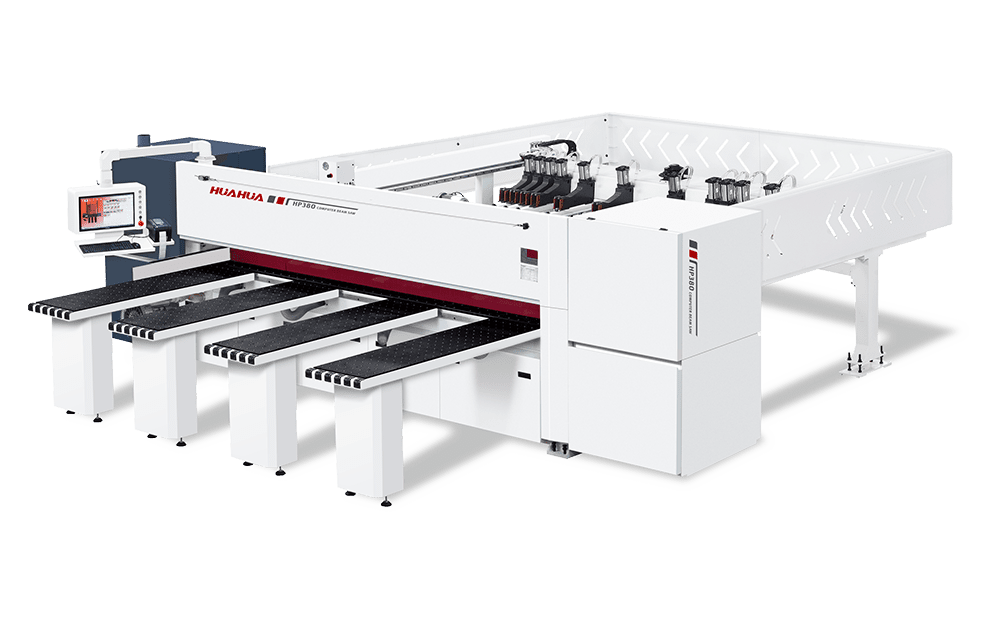
At trade events like High Point Market and on-site visits with cabinet shops, it’s obvious which operators win: those who pair the right tool with disciplined setup and operator training. Seeing a panel saw machine demoed under real production conditions makes layout choices obvious—how material clamps engage, how dust extraction routes, and how software handles nesting. I’ve worked with shops for over eight years helping them choose machines that actually match daily throughput and staff skill; that hands-on experience guides realistic specs, not glossy brochures. Expect CE or ISO-aligned options where safety and repeatability matter.
Wrap-up: what a local CNC partner should deliver
Fix the specific bottleneck—be it throughput, accuracy, or lead time—by choosing equipment that fits your materials, staff, and volume. Match it with operator training, proper maintenance, and material handling so the machine becomes a predictable tool, not a liability. For woodshops aiming for steady growth, the practical choice is a local partner who understands furniture workflows and delivers machines and service that align with daily reality, like the solutions offered by HUAHUA CNC.