



Where the pain starts — simple, real problems
Fleet managers say the same things over and over, amigo: lost time, mystery miles, angry drivers. That’s the problem-driven beat here — name the pain, then get practical. If you run tight routes, a focused van fleet management setup is often the first step to stop the leaks. I’ve helped teams tighten routes and trim idle time, so I’ll call out what actually breaks and what fixes it — claro, no milagros, just real moves you can test and measure.
Challenge: flaky location data and dropped connections
Why it happens: cheap trackers, single-constellation GPS, or poor network coverage. The visible result is wrong stops, phantom detours, and billing headaches. Fix it: pick multi-constellation GNSS-capable devices, ensure cellular fallback is in place, and set sane polling intervals so you’re not drowning in noisy points. Quick checklist:- Verify device supports GPS + GLONASS/BeiDou.- Use adaptive reporting (more frequent when moving, sparse when parked).- Test in real routes, not just the parking lot — the data behaves differently on calle del centro versus freeway miles.
Challenge: messy integrations and data silos
Problem: the telematics platform won’t talk to your dispatch, payroll, or maintenance tools. Two paths: use an open-API vendor or build thin adapters. Don’t try to replace every back-office app at once. Steps that work:- Map the one or two critical data flows first (location → ETA, engine faults → maintenance ticket).- Use middleware or simple webhooks to sync events.- Keep a small canonical dataset so you can reconcile quickly when numbers disagree.
Challenge: drivers distrust tracking and resist change
Drivers worry about privacy and micromanagement — and honestly, sometimes the system is set up to punish instead of help. Tactics that actually help adoption:- Share concrete benefits: less paperwork, clearer pickups, faster returns to base.- Involve drivers when setting rules (curfew hours, off-duty modes).- Show aggregated performance vs. shaming individuals.A short pilot with two vans will expose cultural friction before you roll it to the whole crew.
Challenge: alerts overload and false alarms
Too many beeps makes people ignore everything. Make alerts meaningful by tiering them:- Critical: engine fault codes, theft indicators.- Operational: long idling, missed stops.- Informational: arrival window achieved.Calibrate thresholds from real data, not vendor defaults. One smart alert a week is better than fifty pointless ones a day.
Choosing tech without getting burned
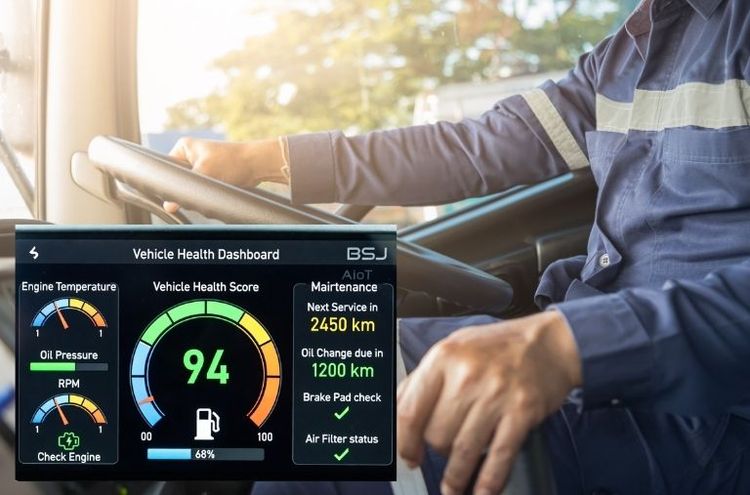
Don’t chase features for bragging rights. Focus on reliability, clear APIs, and support that answers in plain language. A good van tracking system will let you:- Export raw position and trip logs easily.- Filter by device firmware and push updates remotely.- Access concise diagnostics so a mechanic knows what to bring.Watch for hidden fees: maps, SMS, and API calls can surprise a budget.
Common pitfalls and how to avoid them
People waste time on big, shiny projects instead of fixing the little things that bleed cash. Avoid these mistakes:- Buying hardware before proving the use case.- Letting vendors dictate the process; you run ops, you set priorities.- Skipping a pilot route that reflects real conditions.Do a two-week pilot on a busy route — that’ll tell you 70% of what you need to know.
Simple metrics that show progress
Don’t over-engineer KPIs. Track three numbers: on-time stops per route, idle minutes per day, and unplanned maintenance events per 1,000 km. Move any one metric by 10% and you’ll see cost gains quickly. If you’re operating in Los Angeles, those minutes in traffic directly change your fuel and labor spend — the city’s flow makes small fixes matter.
Wrap-up that actually helps
Start with one clear problem — bad location data, poor integrations, or driver pushback — and run a small, measurable pilot. Fix polling, clean the data flow, train the people, and iterate. The practical result should be fewer surprises and simpler daily ops, and that’s where a steady partner like BSJ fits naturally into the picture when you want a sensible, field-tested solution.