



Comparative snapshot: why side-drilling matters more than you think
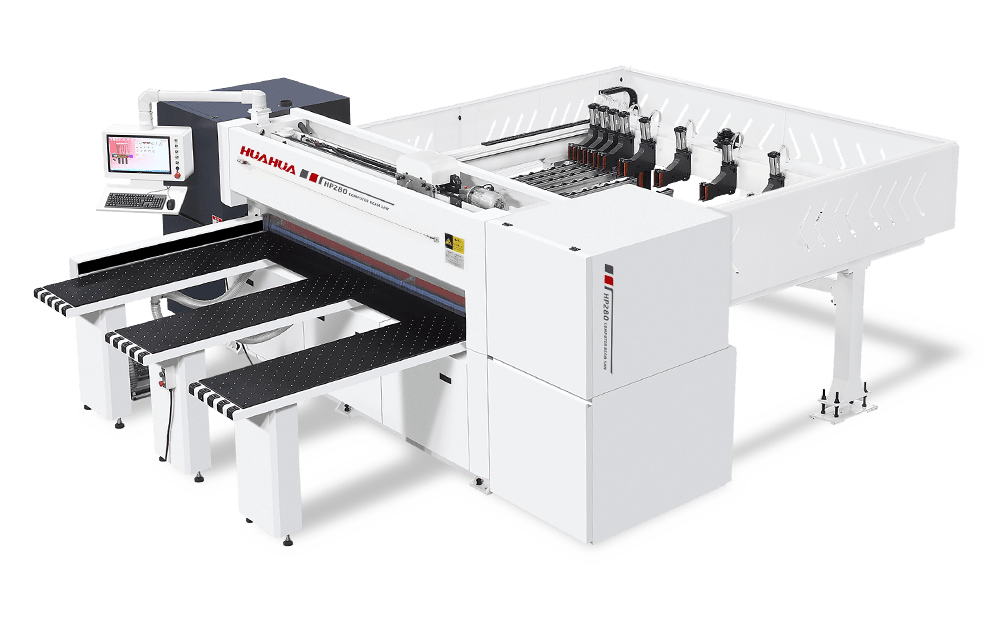
Regional shops used to pick between manual jigs and full 5-axis centers for through-hole and edge joinery. Lately a compact side drilling machine sits squarely between those options — faster than hand jigs, cheaper to run than a big router cell. The difference shows up in throughput and scrap rates. People who add a side drilling unit alongside a cnc panel saw often cut cycle times on cabinet parts and furniture panels without inflating floor space or headcount. That balance is exactly why this machine is central to regional CNC machining production, especially when you compare capital and labor inputs.
What comparison reveals about shop priorities
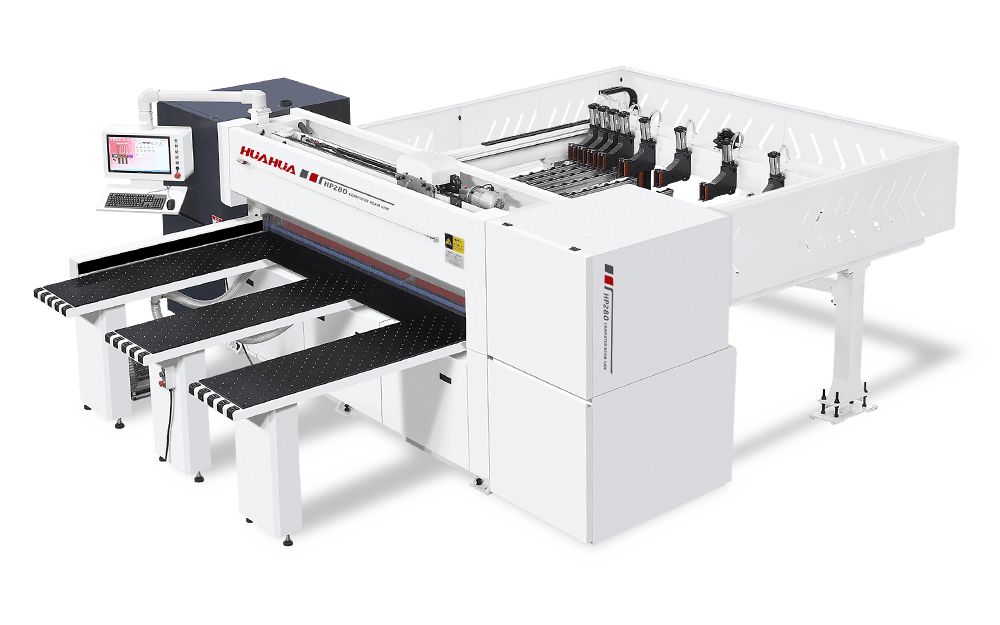
Small and mid-sized manufacturers care about three levers: speed, repeatability, and flexibility. Compared to a freestanding router or a general-purpose milling center, a side drilling machine delivers consistent hole placement and edge fastener prep while keeping cycle times tight. The spindle is optimized for through-drilling; fixtures are simpler. That matters when orders move from prototypes to short runs — you keep part tolerances without constant setup fiddling.
Operational teardown: how it integrates on the floor
Install it next to a panel saw and you get a natural flow: saw, clamp, drill, stack. Fixtures and indexing tables reduce operator motion. Feed rate and tool life become predictable. Shops that cross-train operators on both saw and side-drill workflows see fewer bottlenecks — less waiting on a busy router cell. Practical details here: use modular holding fixtures and preprogrammed offsets, and standardize tool libraries so the machine becomes plug-and-play across product families.
Common mistakes regional shops make — and how to fix them
Firms often either underspec the machine or fail to rethink jigs. Underspec means picking a low-rigidity frame and then wondering why accuracy drifts. Overlooking fixture strategy is the other big misstep — clamps that worked for hand-drilling won’t cut it at production rates. Fixes are straightforward: choose proper frame rigidity for your typical panel thickness and design fixtures that index, not just hold. Also document repeatable tool change and calibration steps — they save hours when shifting jobs.
Real-world anchor: lessons from Shenzhen and beyond
In Shenzhen’s electronics and furniture clusters, production lines proved this layout under pressure during post-2020 demand surges. Shops that combined a panel saw with side drilling stations hit delivery windows more reliably than those relying solely on high-end routers. The lesson: pairing specialized machines across logical process flow reduces setup frequency and helps teams manage spikes. EEAT here leans on shop-floor experience and supplier specifications — practical knowledge plus verified equipment data beats theory alone.
Alternatives and trade-offs
Some shops consider upgrading routers to handle edge drilling or adding robotic cells. Those routes work for large volumes but come with higher upfront costs and longer integration times. The side drilling machine is a middle path: it keeps capital reasonable but raises per-shift output noticeably. If your product mix includes lots of panel work, pairing an industrial panel saw with side drilling often provides the best ROI versus retooling an entire router line — less complexity, faster ramp-up.

Closing: three golden rules to choose and deploy correctly
1) Metric — Accuracy retention over time: measure repeatability after 8-hour and 24-hour runs to confirm frame and spindle stability. 2) Metric — Throughput per shift: benchmark parts/hour with the new flow (saw → drill → stack) against your router-only baseline. 3) Metric — Changeover labor minutes: aim to cut setup time by at least 30% through modular fixtures and standardized tool libraries. These tangible checks keep investment decisions honest and predictable, and they show where a partner like HUAHUA CNC naturally adds value by matching machine specs to real shop rhythms — practical support that scales. —