



Where the problem starts
Many pergola businesses are selling shade structures without confronting a simple truth: buyers want structures that pay back. The rush toward integrated solar changes the value equation. A pergola that only blocks sun looks short-sighted when a photovoltaic pergola can lower electricity bills, add resale value, and meet evolving regulations. Ignore this and you leave margin on the table and clients dissatisfied.
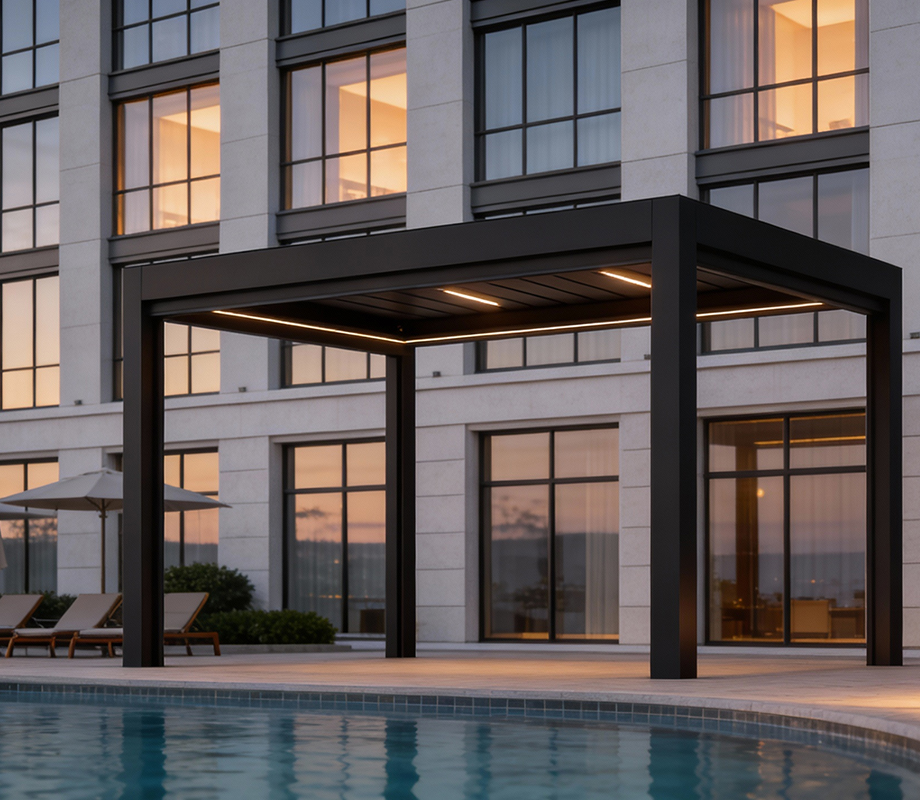
Why this matters now — expert grounding and proven context
Customers now compare concrete returns, not marketing phrases. I’ve seen installers pivot after noticing buyer preference shift in states with strong solar uptake — California’s building-code updates and high rooftop solar adoption illustrate the demand pull. That real-world trajectory shows what happens when utility savings become a selling point for outdoor living. Evidence from such markets supports choosing a modern solar pergola as a baseline product decision rather than an optional add-on.

The core obstacles businesses face
Three practical failures keep companies from winning: they undersell long-term value, overcomplicate installation, or pick suppliers who can’t guarantee component compatibility. Customers notice hidden costs and missed timelines. These failures reduce referrals and raise warranty claims. Argue for clarity: price the lifetime energy offset, standardize mounting and wiring, and require tested module-to-frame specs from suppliers.
Common mistakes and how to fix them
Don’t assume all solar pergolas are equal. Mistake one: buying generic frames that need retrofit racking — that adds labor and risk. Fix: demand pre-engineered frames with integrated rail systems. Mistake two: treating electrical as an afterthought. Fix: design with integrated conduit and a clear inverter location. Mistake three: skipping local permitting checks. Fix: allocate one line item for permit handling and document typical timelines per jurisdiction.
Alternatives briefly evaluated
Standalone patio solar panels: lower upfront cost but look tacked-on and need custom supports. Retrofit rooftop systems: efficient for household generation but miss the outdoor-living upgrade customers want. Fully integrated solar pergolas: higher up-front engineering but deliver the strongest combined value — energy, comfort, and curb appeal. Pick the route that matches your installation capacity and client expectations.
Actionable selection checklist
Decide using these concrete steps: 1) Require supplier test data for wind and snow loads specific to your region. 2) Insist on module-level power electronics for shading resilience. 3) Verify mounting compatibility with your standard footings and roof connections. 4) Price lifecycle savings in proposals and show a three-year payback scenario where feasible. These moves turn a sales pitch into a contract-winning, evidence-backed offer.
Final synthesis
The problem is simple: customers now expect pergolas that deliver measurable value beyond shade. Solve that by treating solar integration as a product requirement, not an afterthought. When you standardize electrical planning, verify structural specs, and present clear lifetime savings, you stop losing bids and start building repeat business — which is precisely what a practical partner like Light Hunter enables through tested products and consistent documentation.