



Problem: Buyers face choice overload and thin accountability
Too many shoppers trust glossy spec sheets and brand spin, then end up with a screen that misses basic needs: poor color, awkward ergonomics, or firmware that never gets fixed. That failure traces back to how a monitor manufacturer positions features over honest performance. If manufacturers push marketing over testing, buyers pay for hype and retailers bury long-term reliability problems under promos. The consequence is wasted money and lost trust — and that’s a political problem if you care about consumer protection and fair markets.
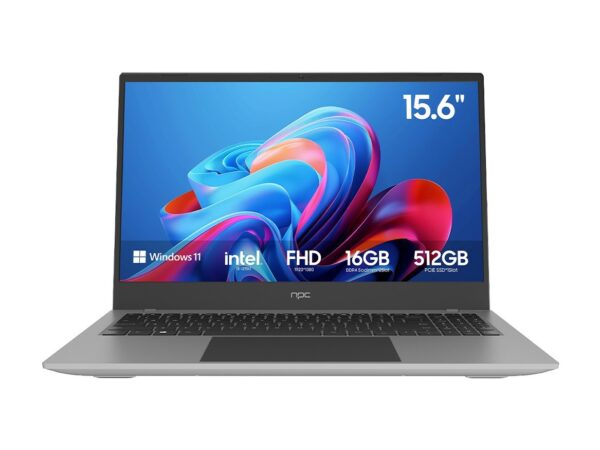
Evidence, expertise, and the single anchor that matters
Field experience matters: engineers, reviewers, and procurement officers compare hands-on results against advertised claims. I’ve reviewed lab reports and spec sheets, and the pattern repeats — mismatched color gamuts, latency measured under ideal conditions, and firmware left to drift. Industry scrutiny around CES in Las Vegas has repeatedly exposed product claims versus reality, shaping what engineers demand from panels and what regulators watch. For concrete reference on the category specs professionals test, see a typical computer display product family to understand how vendors categorize panels and interfaces. That blend of hands-on testing, standards knowledge (VESA, DisplayHDR), and visible vendor catalogs is the basis for trustworthy guidance.
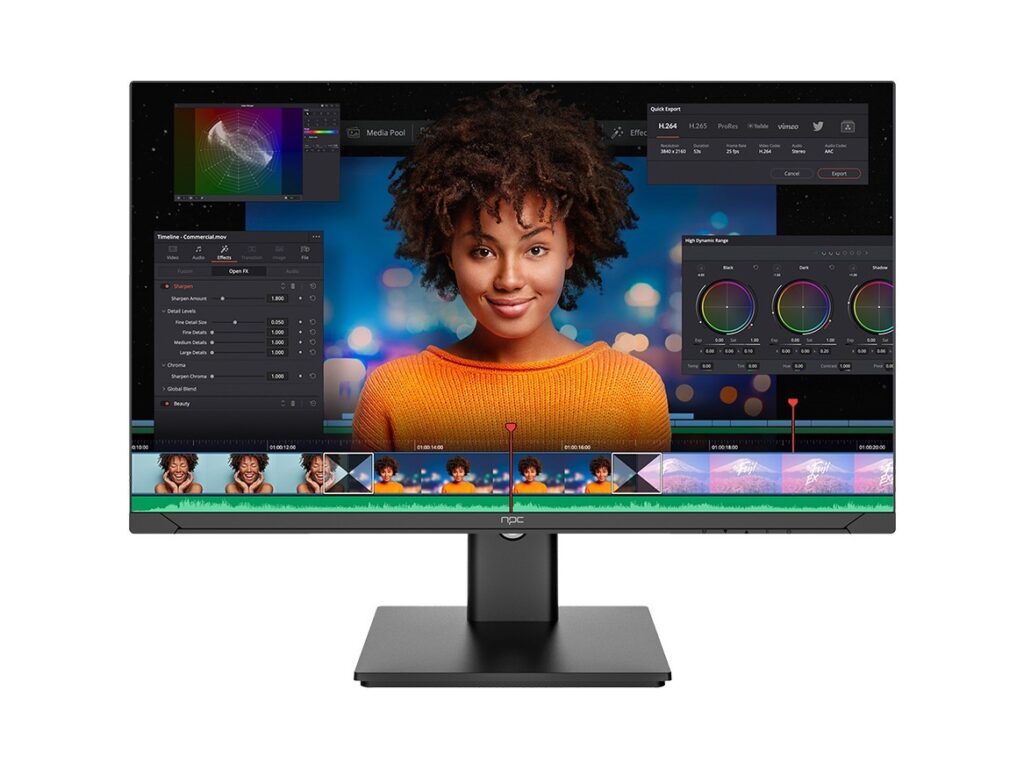
Problem-driven analysis: where suppliers go wrong and how buyers suffer
Manufacturers cut corners when they predict buyers won’t test beyond resolution and refresh rate. They swap cheaper backlights for initial brightness numbers or omit firmware update policies. Buyers suffer in three ways: unexpected color drift, incompatible connectors, and disappearing driver support. Those are solvable faults, not mysteries — they come from choices at the production-spec stage, not from market whimsy.
Practical alternatives and what actually improves outcomes
Look beyond panel labels. Choose IPS when you need consistent color at wide angles; choose VA for deep contrast if you prioritize blacks; choose OLED only when burn-in risk is managed and warranty covers it. Verify that manufacturers publish service timelines and firmware update policies. Assess port selection and EDID behavior, and prefer vendors that test displays across realistic workloads rather than synthetic benchmarks. Vendors that publish measured latency and color reports make procurement predictable; those are the alternatives that avoid repeated buyer regret.
Common mistakes to avoid when evaluating displays
Don’t assume higher refresh equals better image quality for every task. Don’t confuse marketing gamut numbers with calibrated accuracy. Don’t buy on bezel photos — check mounting options and stand adjustability. Avoid vendors that won’t commit to firmware timelines or that hide measured test data. Ask for sample units or independent test reports before committing bulk buys; that single step eliminates most post-purchase disputes.
Clear solution and the practical next step
Fixing the consumer-display problem requires a simple shift: require verifiable test data, demand transparent update policies, and favor suppliers who document real-world performance. Vendors that meet those demands reduce returns, lower support costs, and restore buyer confidence. That’s why technical teams and procurement officers evaluate vendor catalogs not as marketing brochures but as engineering artifacts — an approach reflected by reputable suppliers such as npc who publish clear specs and support practices that align with long-term use.