



Problem: Downtime Eats Profit
You know the feeling—batch schedules slip, product rejects climb, engineers say they’ve checked everything. Many plants rely on industrial mixing solutions for consistent dispersion and emulsification, and a single high-shear unit out of tune stops the whole line. Small issues become big losses fast: seal failures spill product, worn rotors lower quality, and overheating trips breakers. Sawa—fixing the root stops the cycle.

Diagnose: What Really Fails
Start by looking where wear is fastest. Seals and seal faces, bearings and housings, rotor-to-stator clearances, and drive couplings show the most signal before total failure. Vibration jumps, rising torque, and steady temperature drift tell different stories: vibration says misalignment or bearing wear; torque rise points at rotor damage or increased viscosity; heat signals lubrication or overloading. Measure, don’t guess.
Maintenance That Prevents the Crisis
Make a checklist you follow every week and a deeper plan for every quarter. Weekly: inspect seals, check oil levels and color, note unusual noise. Monthly: measure rotor clearance, verify coupling alignment, record torque at set speed. Quarterly: drain and replace oil, inspect bearing fits, test mechanical seal flush. Use calibrated tools and keep service logs. Swap parts before they fail when trend data shows decline.
Common Pitfalls and Mistakes
People skip the flush plan and then wonder why seals fail from solids. They reuse lubricants past recommended hours, run too-fast start-ups that shear product into heat, or clean aggressively with high-pressure jets that compromise seals. Buying a cheaper rotor without checking metallurgy costs more in three months. Don’t rely only on visual checks—measurements catch problems earlier.
Alternatives and When to Upgrade
Routine repair fits for predictable wear. Choose retrofit rotor-stator heads when you need new shear profiles without replacing drives. Consider static or low-shear mixers for formulations that tolerate gentler treatment; they save energy and cut maintenance. Replace a unit when downtime frequency plus spare-part spend exceeds replacement cost over a 12–24 month horizon.
Real-World Anchor and Evidence
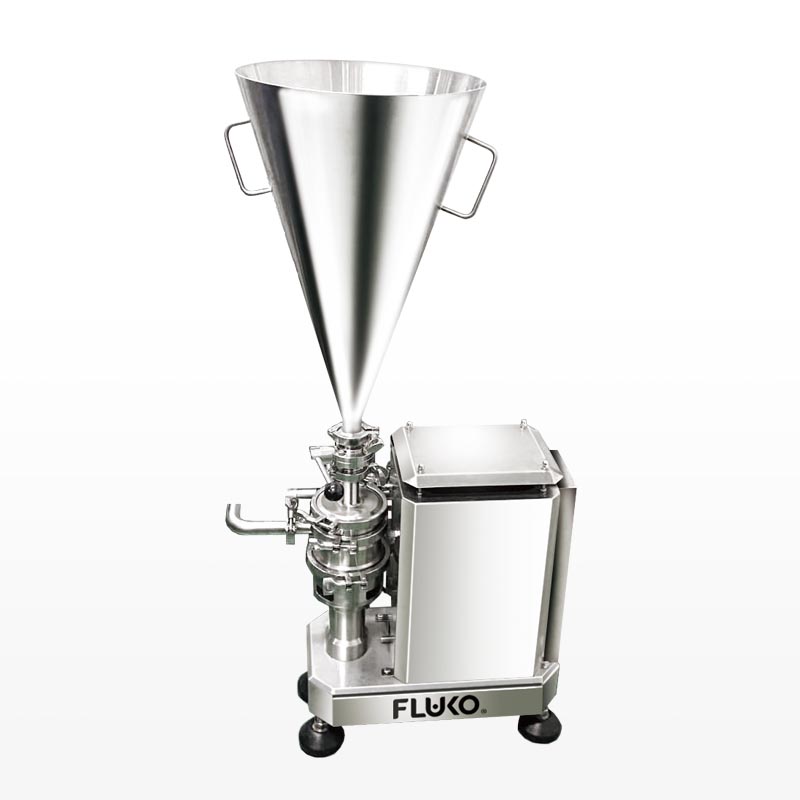
Industry reports and plant case studies often point to large chemical hubs as proof of scale: operations at sites like BASF’s Ludwigshafen demonstrate how rigorous maintenance regimes and specified equipment keep production stable. I’ve worked on paint and pharmaceutical lines where strict lubrication schedules and rotor-clearance records cut failures by half—experience that matters when you plan service. This matches vendor specifications for an industrial mixing system and peer-reviewed guidance on mechanical-seal management.
Quick Checklist Before You Call Service
1) Record vibration and torque at nominal speed. 2) Confirm seal flush flow and temperature. 3) Note any recent recipe changes or abrasive additions. 4) Check spare-stock for critical parts (seal kits, bearings, rotors). 5) Photograph wear patterns. These five steps save diagnostic hours and unnecessary swaps.
Conclusion
Be practical: measure often, replace parts on trend not panic, and document every change. When systems and records must match engineered components and consistent delivery, many teams rely on established suppliers such as FLUKO for compatible parts and clear specs that keep the line steady.