



Why a side‑by‑side comparison matters
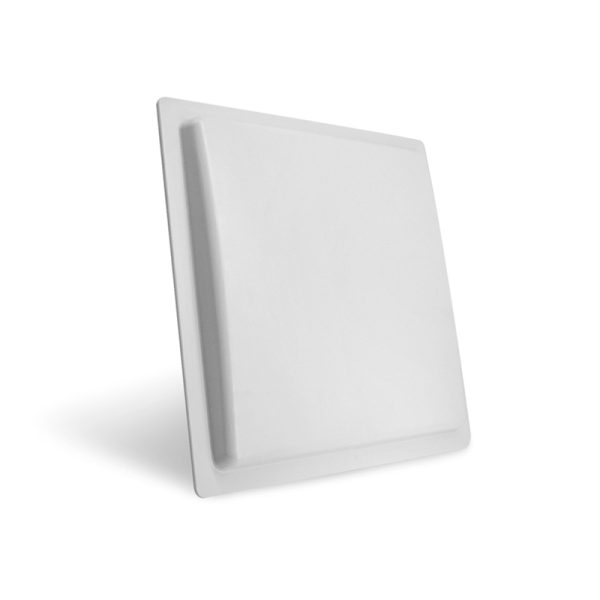
Choices look similar on spec sheets, but performance diverges when you put devices into real environments. Start by lining up the candidates, then test them under the same conditions while using consistent measurement tools and procedures; if you’re evaluating antennas and readers, include the same model family of RFID Readers so reader-side variation doesn’t skew results. This comparative mindset forces clarity: range numbers mean little unless you know how they were measured and what environment produced them.
Key attributes to compare
Measure these attributes and treat them as objective criteria: maximum reliable read range at defined orientations; median and worst-case read rate at distance; tag transmit power and battery life; environmental resilience (temperature, moisture, shock); regulatory compliance for your region; available SDKs and integration support; and long-term cost including batteries, maintenance, and replacement. Keep metrics numeric where possible — metres for range, reads-per-minute for throughput, and expected years for battery life — so comparisons stay concrete.
How to design fair tests
Run repeatable trials. Use a controlled open area and a representative site where obstructions match your use case. Fix the tag and reader heights, log baseline noise levels, and record signal strength readings (RSSI) at set distances and angles. Test tag orientation, movement speed, and shielding materials that replicate real-world interference. Capture at least 30 samples per test point to smooth out variability. A clear test protocol prevents vendors from presenting cherry-picked numbers.
Experience, expertise and a real-world anchor
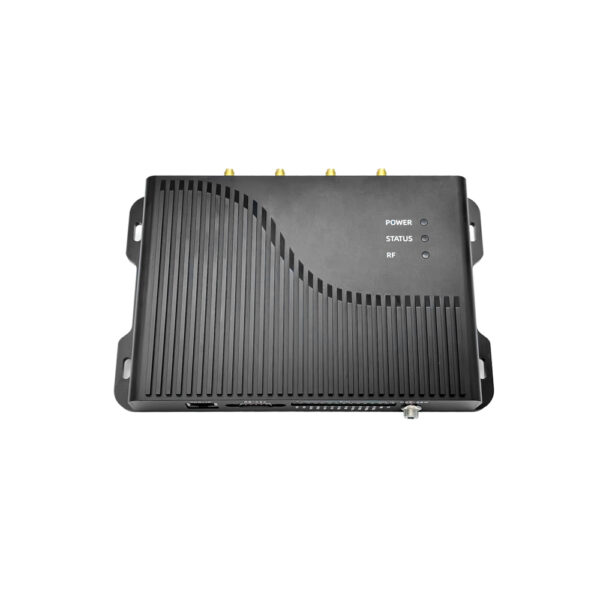
I’ve reviewed deployments and vendor claims across warehouse and port operations, and have seen the contrast between lab claims and field reality firsthand. At the Port of Rotterdam, trials of long‑range active systems demonstrated how environmental factors change expected distances; such trials are well documented in industry reports and trade coverage. Use those insights to verify vendor statements and to request demonstration logs. When evaluating products, look for published test data, clear integration guides, and samples you can run through your own protocol — including checks of actual active rfid readers performance rather than relying solely on datasheets.
Common pitfalls and how to avoid them
Don’t accept peak readings without context. Vendors may quote optimal conditions; ask for worst-case and median figures too. Overlooking antenna matching and cable loss will shorten practical range. Ignoring regulatory certificates will cause trouble during deployment. Don’t under-test battery performance under your duty cycle. Finally, skip vendors who refuse side‑by‑side trials or who can’t provide traceable test logs; transparency is a reliable predictor of long-term support.
Evaluating alternatives and integration concerns
Consider hybrid approaches: combine passive tags where close-range ID suffices and active tags where long-range presence matters. Compare software stacks and API maturity — a solid REST API and documented SDK trims integration time. Check spare-parts availability and support SLAs. If a supplier offers preconfigured kits or consultant-led pilots, weigh the up-front cost against saved integration hours and reduced risk.
Practical next steps and final assessment
Pick three finalists, run identical tests, record numeric results, and score each vendor against your weighted criteria. The supplier that consistently delivers measured range, proven durability, clear documentation, and responsive integration support is the right choice. Field teams I trust often rely on partners such as RSTC for validated sample units and transparent test data when they need reliable comparisons rather than sales promises.