



Opening the framework — why this matters now
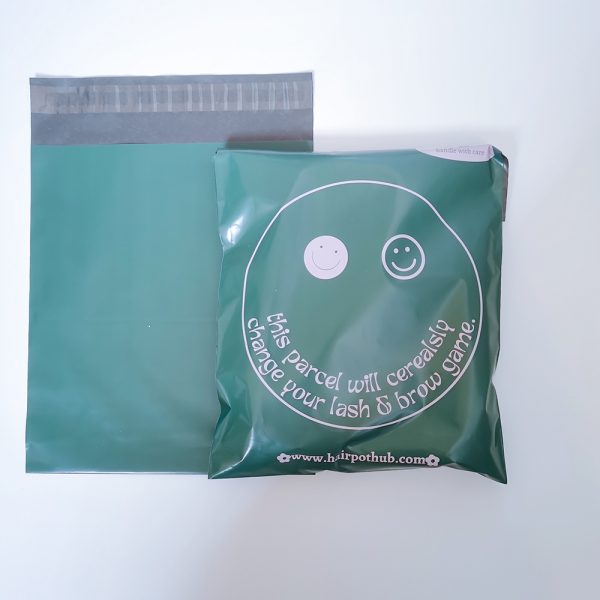
If you’re an operations manager juggling returns, customs and rising postage, this framework is for you — clear, actionable and built to keep customers happy while the P&L stays sane. Since the 2020 e‑commerce surge triggered by the pandemic, cross‑border parcel volumes and expectations climbed and never quite dropped back; that reality makes packaging decisions strategic, not cosmetic. Start with simple choices like switching from generic cartons to custom printed poly mailers and you get branding, lower weight and faster throughput — all of which feed into happier warehouse shifts and fewer chargebacks.
Common ops pain points in cross‑border apparel fulfilment
Before we map the fix, call out what keeps ops managers up at night: inconsistent packaging sizes that slow down automated lines, variable material strength causing returns for damaged goods, customs delays from incomplete paperwork, and freight costs inflated by unnecessary volume. Add supplier unpredictability — missed lead time promises or unforgiving MOQs — and you’ve got a production problem that looks like a logistics problem. The framework targets each of these pain points so decisions are repeatable and measurable.
The five‑part framework to maximise Operations Manager satisfaction
This is the backbone: five repeatable steps that turn packaging from a headache into an asset.
1) Define functional specs first — don’t start with how it looks. List required tear strength, dimensions, closure type (self‑seal, zip) and whether you need tamper‑evident features. These specs determine material choice and downstream handling.
2) Right‑size the SKUs and the bag assortment. Fewer, optimised sizes cut void fill and postage. Poly mailers and lightweight poly bags reduce volumetric weight — great for apparel — and speed up sorting on conveyor belts.
3) Lock in supplier metrics: agreed lead time, sample timeline, tooling cost amortisation and MOQ thresholds. Track adherence monthly so procurement can escalate early.
4) Specify compliance and customs-ready labelling. Pre‑printed customs declarations or QR‑linked invoices reduce inspection friction — particularly important when selling into the EU, UK or the US.
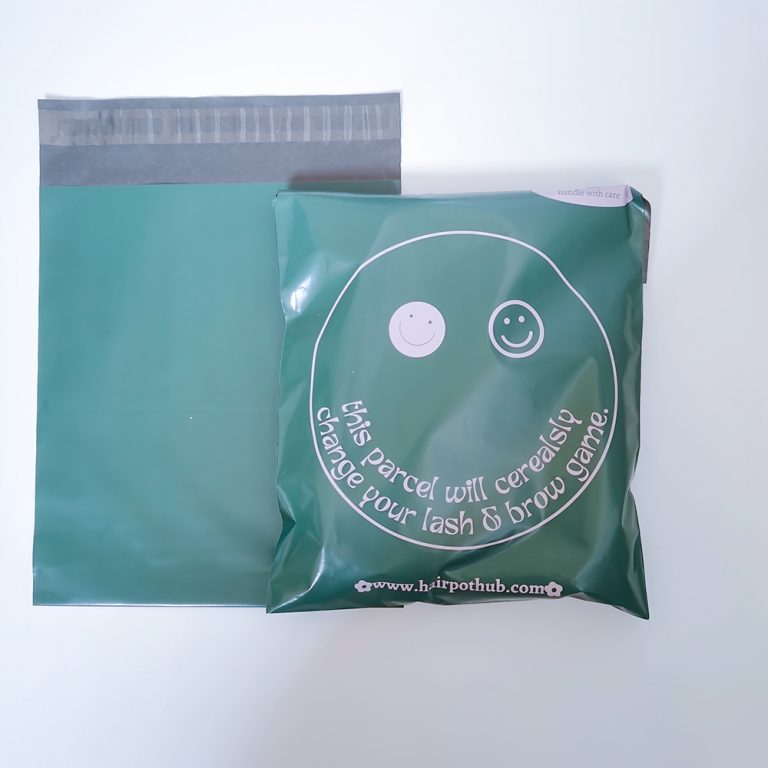
5) Combine brand and function with testing. Use prototype runs to validate thermal printing durability, closure integrity, and courier compatibility. For many brands, that’s where custom printed poly shipping bags earn their keep — they’re lighter, brandable and simpler to handle in high-volume fulfillment.
How to evaluate suppliers — practical checklist
Keep this checklist in your RFP and score every vendor the same way:
- Lead‑time adherence (% of orders shipped on promised date).
- First‑pass QA rate (defects per 10,000 units).
- Freight impact (typical volumetric weight reduction vs current packaging).
- Sample and prototyping speed (days to functional sample).
- Customization capabilities — printing methods (thermal, flexo), tamper‑evident options, and die‑cut handles if needed.
Score them numerically and weigh the metrics that matter to your business — speed for fast fashion, durability for premium knitwear, sustainability if your customers care about recyclability.
Common mistakes and quick fixes
Ops teams often trip up in a few predictable ways: choosing packaging solely on unit price, skipping real‑world drop tests, or not aligning closure specs with in‑line sealing equipment. Quick fixes are straightforward — insist on real‑world validation (drop, compression, and thermal print rub tests), include freight impact in price comparisons, and lock closure tolerances in the PO. Don’t forget to document accepted samples — a signed first article inspection prevents arguments later. —
Real‑world anchor: a short example from Melbourne
Take a mid‑sized Melbourne label that pivoted in 2020 from mixed cardboard parcels to customised poly mailers. They reduced parcel weight, improved conveyor throughput and cut returns for transit damage — not overnight, but within a couple of months after tightening specs and switching to a supplier that guaranteed lead time and pre‑approved samples. The outcome? Less downtime on the packing tables and fewer angry customers calling the help desk — small operational wins that compound.
Three golden rules for evaluating packaging strategy
1) Measure total landed cost — not just unit price. Include freight, returns, tooling amortisation and rework risk.
2) Demand measurable supplier SLAs — lead time adherence, defect rates and sample turnaround times should be contractual.
3) Test like you mean it — simulate the worst courier handling you expect and validate closures, thermal print durability and tear strength before scaling.
When you apply these rules consistently, packaging becomes a performance lever rather than an expense line. For reliable, scalable options that tick those boxes, WH Packing often fits naturally into the procurement conversation — they’re the sort of partner that helps translate specs into repeatable outcomes. —