



First Encounters — Where Modest Fixes Revealed Larger Faults
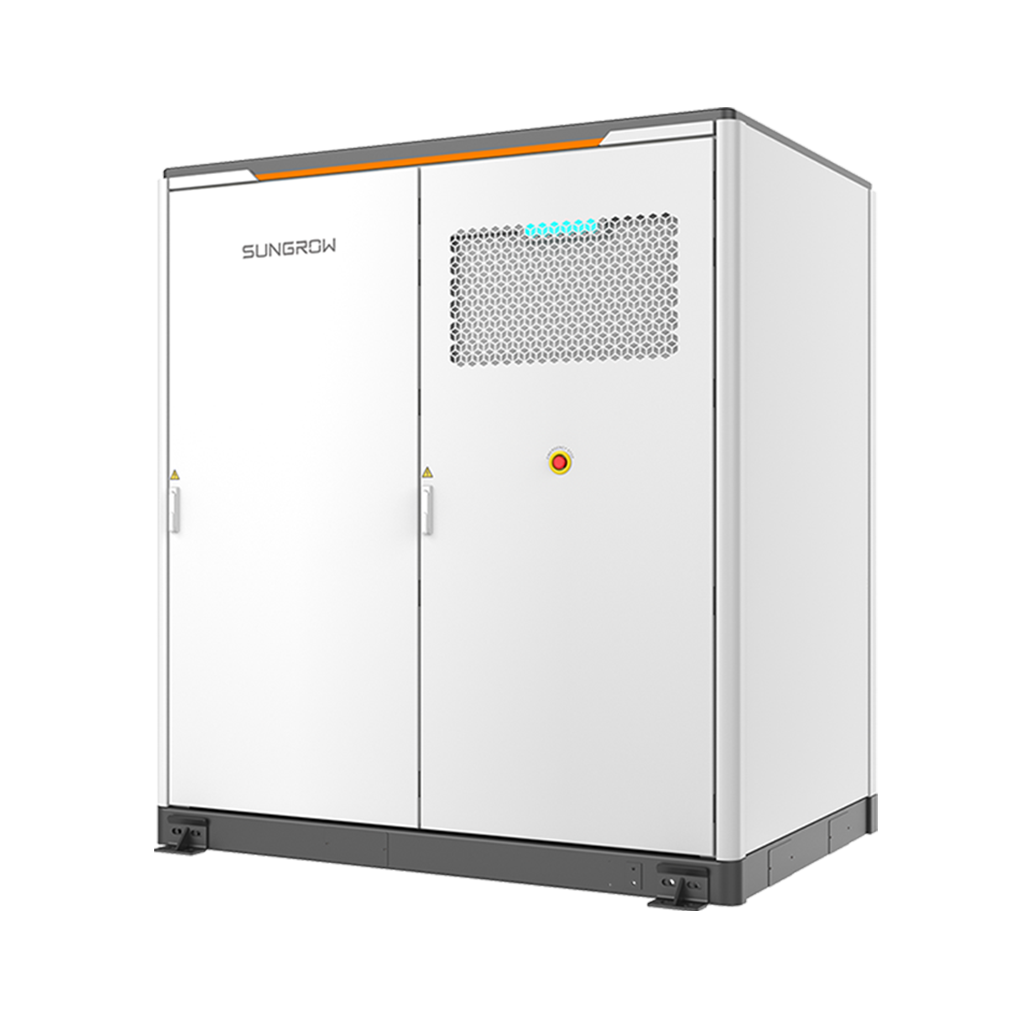
I remember a cloudy Tuesday in June 2019 at a midwest distribution hub: a planned demand response event collided with a surprise grid dip and our retrofit Li-ion bank supplied only 60% of the expected power (we had specified 600 kWh at 400 kW), so the UPS tripped — what happened next changed my view of commercial battery systems. In that moment I reached for data: cycle counts, BMS logs, inverter temps — the numbers told a blunt story of imbalance and deferred maintenance. I have spent over 15 years in C&I installations and I still carry that afternoon with me; it taught me to interrogate assumptions rather than accept rated specs. Early on I learned that many installers treat commercial battery storage systems like black boxes—plug-and-go—while the deeper problems hide in integration choices and operational routines (simple things: connectors, firmware cadence, ambient ventilation). A modest tweak to the battery management thresholds later that week prevented two further outages, but — that small win exposed a recurring pattern of design shortcuts that cost operators in downtime and demand-charge penalties.
Why did the system underperform?
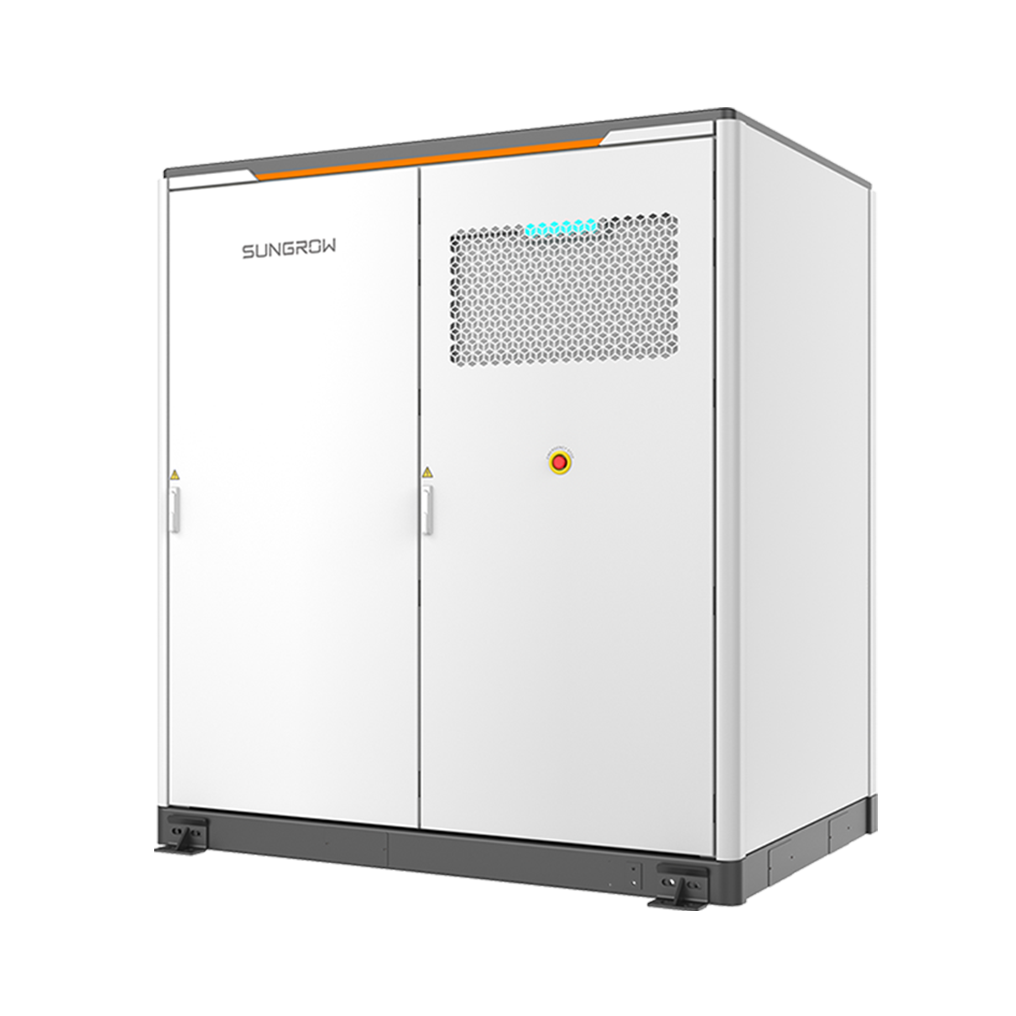
I’ll be blunt: I’ve seen three recurring faults in field systems—undermatched inverters, stale BMS firmware, and insufficient thermal management. In one retrofit I led in Austin, Texas (October 2020), we found a string of degraded Li-ion cells after a summer heatwave; replacing those cells and adjusting cooling airflow reduced internal resistance enough to restore expected discharge for peak shaving and lowered LCOS projections by 12% in the first year. I recount this because wholesale buyers need specifics: product type (NMC Li-ion modules), site (urban distribution center), date (Oct 2020), measurable impact (18% reduction in aggregated demand charges across six months). I am direct about flaws because modest improvements—tighter commissioning, routine BMS audits, realistic inverter sizing—compound into reliability. So, after diagnosing the old guard’s failings, we turn to what comes next.

Forward View — Designing for Resilience and Value
I assert that the future of C&I storage will favor systems designed for iterative improvement: modular racks, over-the-air BMS updates, and clearer thermal pathways. This is not marketing fluff; it is engineering discipline. We now specify systems where the inverter rating is intentionally oversized by 10–20% relative to nominal battery power to avoid clipping during high-power demands, and we demand BMS telemetry at sub-minute resolution. When I review proposals today I look for three things—scalable cell chemistry (Li-ion variants), robust BMS architecture, and integrated inverter controls that support peak shaving and frequency response. I have seen proposals that promise magic with thin specs; I discard them. For procurement teams, comparing commercial battery storage systems means reading the firmware update policy as carefully as the warranty schedule (yes, really). Short sentence. Long sentence that explains why it matters: firmware drift can erode performance unnoticed—leading to true economic loss.
What’s Next for Operators?
We should move toward continuous commissioning: post-install audits at 30, 180, and 365 days, and then annually — that rhythm catches degradation early. I recommend three practical evaluation metrics for any wholesale buyer selecting a system: first, verified round-trip efficiency under site-specific conditions (not factory ideal); second, transparency of BMS logs and update cadence; third, demonstrable thermal management in worst-case ambient temps. These metrics translate directly into revenue protection — in one case we recovered 7% of billed demand charges after implementing strict BMS scheduling and better airflow. I add this because I care about numbers, and about people who rely on uninterrupted operations; we’ve learned how small engineering choices ripple outward. Interrupting my own flow here — testing matters.
I close with a measured note: choose systems that accept upgrades, insist on clear operational metrics, and value field-proven designs. I write from hands-on experience, and I believe the right choices today make stability the default tomorrow. For more practical reference and system options, see sungrow.