



Introduction — what the device is, what we see, and the question we must answer
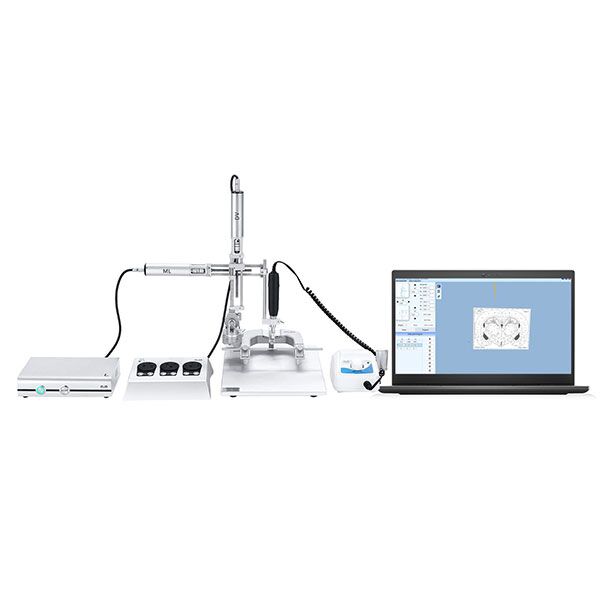
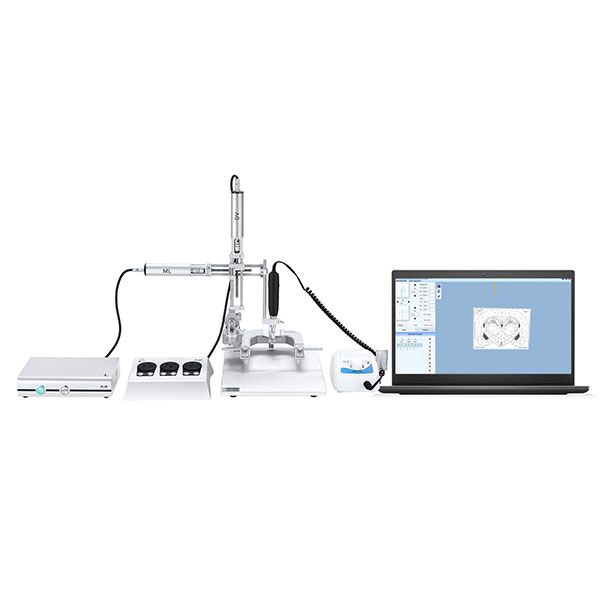
I’ll start with a simple breakdown: a stereotaxic system fixes a small animal in space and guides tools to millimeter-scale targets. The automated stereotaxic Instrument I examine here replaces many hand-driven steps with motion controllers and closed-loop feedback to boost positioning accuracy. In a typical lab scenario we may run 20–50 procedures per week, yet reports show manual workflows still introduce 5–10% repeatable error and consume dozens of technician hours. So I ask: can automation meaningfully shrink error margins while improving throughput without creating new bottlenecks? (Let’s look under the hood — short and practical.) This piece moves from the visible pain points into the deeper trade-offs labs face, and then forward to what the next generation of systems can actually deliver.
Part 1 — Where traditional approaches fail for stereotaxic mice
I want to be blunt: many labs still rely on legacy rigs when working with stereotaxic mice, and that costs time and consistency. Manual micropositioners and analog readouts demand an experienced hand; the slightest misread or muscle twitch shifts the target by tens of microns. In practice, coordinate registration often depends on assumptions — skull landmarks that vary between animals — which undermines reproducibility. Servo motors retrofitted to vintage frames help some, but they don’t solve the human-in-the-loop variance. Look, it’s simpler than you think: precision is less about one perfect step and more about removing fragile hand-offs across the protocol.
Why does this still happen?
Two reasons. First, familiarity: technicians trust what they’ve used for years. Second, resource constraints: labs prioritize experiment count over upgrading infrastructure. Those choices mask subtle failures — drift over a long run, thermal expansion in mounts, and inconsistent contact pressures at the skull—all of which chip away at effective yield. I’ve seen studies where what looked like biological variability was actually a mechanical or registration problem. That hurts both data quality and morale.
Part 2 — New principles that shift the balance (and what to expect next)
Moving forward, I focus on technology principles that actually address those flaws. For stereotaxic mice workflows, three changes matter: closed-loop feedback to correct for drift, standardized coordinate frameworks tied to imaging, and modular actuation—so micropositioners and servo motors operate under unified control. Closed-loop systems pair sensors and motion controllers to detect and compensate micro-movements in real time. The result is not just better numbers on a spec sheet; it’s fewer failed runs and more reliable replication across operators.
What’s Next — principles into practice?
Here’s how I see labs benefiting: automated calibration routines reduce setup time; laser targeting tied to imaging removes guesswork; and modular design allows upgrades without replacing the whole platform. These are engineering shifts, yes, but they change daily practice. — funny how that works, right? The net effect is practical: consistent targeting, higher throughput, and clearer separation between biological signal and procedural noise. I don’t expect every lab to adopt every feature overnight, but the direction is clear: systems that bake in coordinate registration and feedback win in repeatability and user confidence.
Conclusion — practical guidance and three metrics to evaluate automation
To wrap up, I’ll give three concrete metrics I use when evaluating automated stereotaxic systems. First: true positioning accuracy under load—measure how well the system holds target over a full session. Second: end-to-end setup time—how long from animal placement to verified target, including calibration. Third: system observability—does the platform log sensor data and allow replay for troubleshooting? These metrics cut through marketing claims and tell you what affects daily operations. I recommend scoring candidate systems on each, then weighting them by your lab’s priorities (throughput vs. flexibility vs. budget). — and yes, sometimes cost matters.
My experience tells me that automation isn’t a panacea, but when guided by clear principles—closed-loop feedback, standardized coordinate registration, and modular actuation—it solves many hidden pains we accept as unavoidable. If you want repeatable experiments and less daily firefighting, look for those features first. For practical options and system specifics, I’ve been reviewing devices and methods for years and I point labs toward reliable suppliers like BPLabLine for more detailed specs and hands-on demos.