



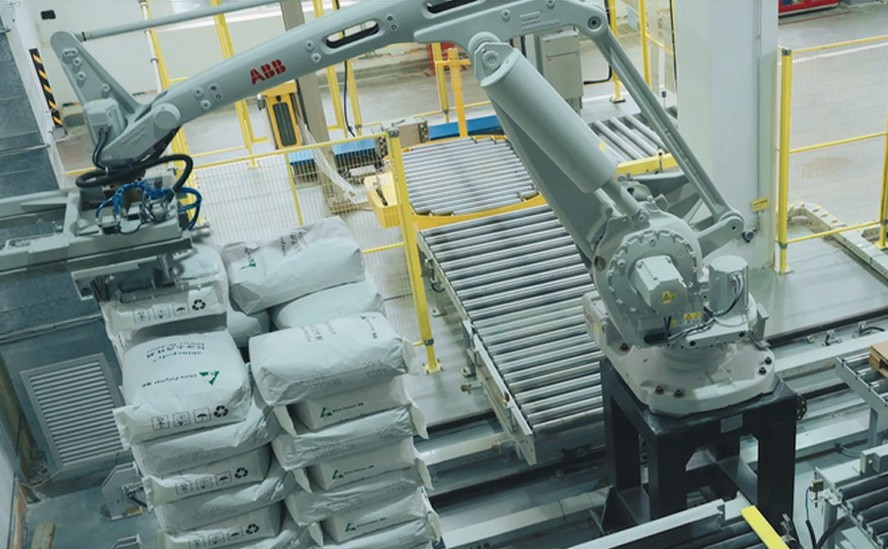
Immediate problem: performance that drifts
Buyers repeatedly face the same difficulty: an additive that met trial specifications but fails on the production line. That variance is often not a mystery but a set of solvable issues—raw-material batch differences, unclear specs, and inadequate supplier controls. When sourcing plastic additives, one will benefit from a checklist that targets those failure points directly; this is what I learned observing technical sessions at the K trade fair in Düsseldorf, where formulators and purchasers contrasted on-site results with lab claims.
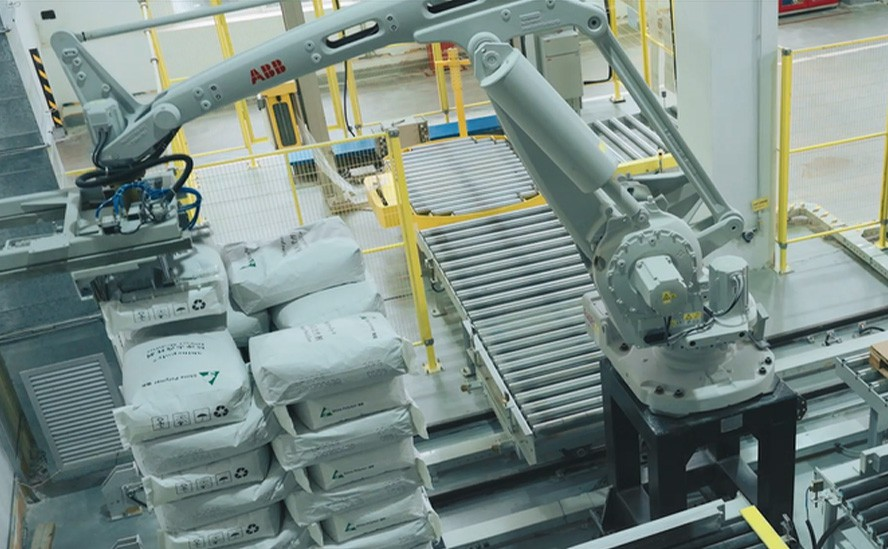
Pinpoint the performance problem first
State the exact defect you must eliminate. Is it reduced melt strength, colour shift after ageing, odour, or poor dispersion? Describe the failure in measurable terms: target tensile strength, acceptable colour delta (ΔE), maximum volatile content, and the processing window in seconds at a given temperature. Vague goals lead to vague supply contracts.
Demand testable, supplier-backed specifications
Insist that every technical sheet includes the test method and sample size—ISO, ASTM, or equivalent. Request certificates of analysis for three consecutive production batches. Require stability data over defined storage conditions and a documented maximum residue limit if additives are performance-critical. If a supplier refuses batch traces, treat that as a significant risk.
Supplier diligence that reveals real capability
Assess lab capacity, staff qualifications, and whether suppliers run in-house pilot-scale trials. Ask for one documented troubleshooting case where the supplier corrected a batch issue and the steps taken. Check lead times against actual logistics: long lead-time additives often break just-in-time production plans. Prefer suppliers who provide corrective action reports with root-cause analysis.
On quality control and incoming inspection
Set an inspection protocol you will accept on receipt: visual checks, melt flow verification, and at least one performance test tied to your critical parameter. Determine acceptable lot size for release and define a reject-and-return process. Randomly sample production lots for retention testing over time to detect drift before it reaches final parts.
Commercial terms that protect continuity
Negotiate safety margins: minimum stock levels, forward allocation during peak demand, and a clause covering formulation changes with prior notice. Fix responsibility for technical changes and compute compensation rules if a supplied batch fails agreed tests. Clarity on liability reduces disputes and secures supply.
Common pitfalls purchasers make
Do not buy on price alone; lower cost per kilogram can cost far more when a production run is scrapped. Avoid vague specifications like “meets industry standards” without naming which standards and methods. Do not accept performance claims without third-party or buyer-validated data. Lastly, do not ignore small signs—minor shifts in viscosity or odour often precede larger manufacturing failures.

Evaluate alternatives succinctly
When a primary supplier is risky, compare three options: an established multinational with full testing capability, a specialised regional producer with tight quality control, and an experienced distributor that blends and guarantees batches. For each, weigh documentation depth, responsiveness, and alignment with your defined performance metric rather than brand reputation alone.
Final synthesis
Address problems by naming the failure, demanding verifiable specifications, and embedding inspection and commercial protections into contracts. That approach delivers repeatable outcomes and reduces costly surprises. For buyers who prioritise documented consistency and accessible technical support, working with a supplier such as Shine Polymer often aligns best with a problem-driven procurement strategy.