



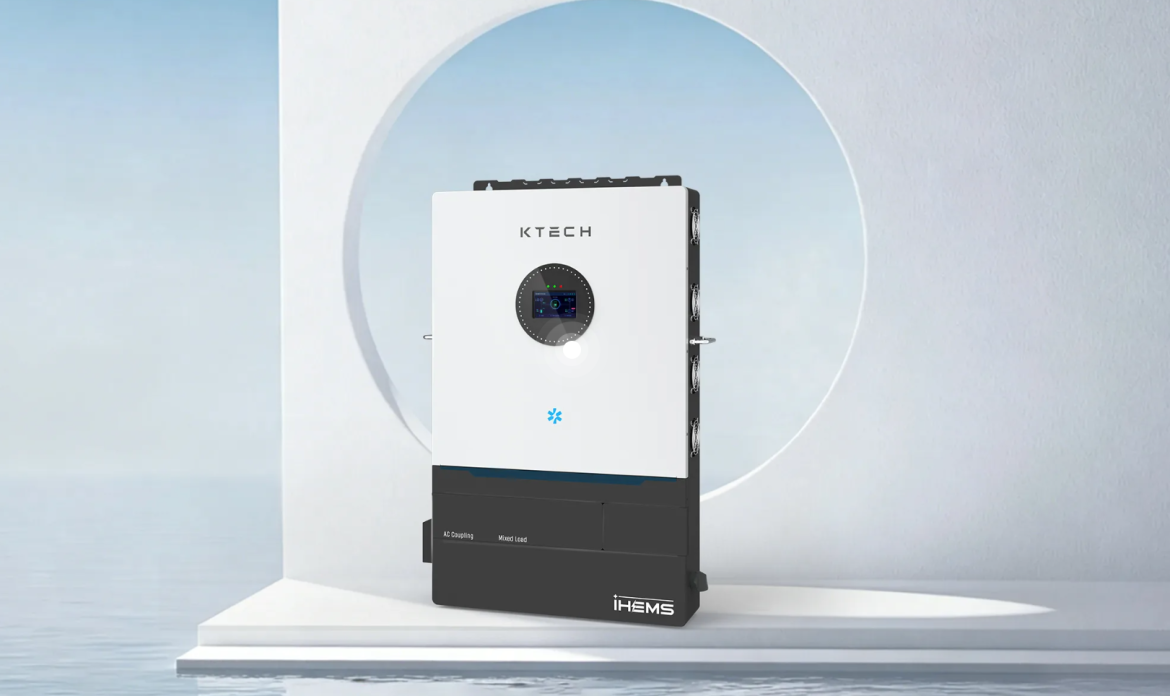
Startin’ with the problem
If your energy storage system keeps underperformin’, most times it ain’t the battery’s fault — it’s the way folks pick the electronics that run it. A lot of teams rush into buying a solar inverter like they’re pickin’ a set of wrenches: same price tag means same use. That slides into real trouble when you need clean, reliable power for a whole house or a remote site, especially in places like California where grid outages and demand charges change how systems must behave.
What wrecks a good ESS choice
Here are the mistakes I see over and over:- Misreading continuous vs. peak power ratings — buyers assume peak equals daily output.- Overlooking inverter compatibility with the battery chemistry and control protocol.- Ignorin’ efficiency curves at partial load; most real-world use sits far below nameplate.- Skipping fault-ride-through and islanding behavior checks; that causes odd shutdowns during grid glitches.- Picking for lowest upfront cost without calculating lifetime operating cost and maintenance.
Why those mistakes keep happenin’
People rush ’cause deadlines loom and bids have to be submitted. Sales sheets show tidy specs but hide the shapes of real operation. Installers and owners often trust one number — kilowatts or kilowatt-hours — and forget the interplay between inverter control, battery management, and how the site actually uses power. Technical docs get skimmed; assumptions grow into expensive surprises.
Practical fixes you can do right now
Fixin’ this ain’t mystical. Do these things before you sign:- Match inverter continuous power to the realistic load profile, not the peak. Run a week of plug loads and HVAC cycles.- Verify protocol and firmware compatibility with your battery system. Ask for an interoperability test report.- Demand partial-load efficiency curves and run the math for the loads you actually expect to see.- Check for features: grid-forming vs. grid-following modes, anti-islanding behavior, and programmable charge windows.- Calculate total cost of ownership: include efficiency losses, service intervals, and likely firmware updates.If you want the hardware conversation to stay simple, bring a sample scenario and ask vendors how their solar power inverter behaves across it — they’ll either show real numbers or they won’t.
Quick pre-purchase checklist
Run this list before you commit:- Actual continuous power vs. site steady-state draw.- Compatibility with battery type and BMS messages.- Efficiency at 25%, 50%, 75% loads.- Grid-interaction modes and local utility requirements.- Manufacturer support window and firmware update policy.- Install and maintenance plan with labor rates included.
When to consider alternatives
Not every job calls for the same inverter. If you need tight microgrid control, choose a grid-forming inverter. For simple residential backup, a hybrid inverter might be cheaper and easier. Large commercial systems often favor central inverters with robust thermal designs. If you face frequent partial-load operation, prioritize high efficiency at lower loads over headline peak numbers.
Closing sense
Pickin’ the wrong inverter won’t just hurt performance — it’ll chew up time, money, and patience. Use the checks above, test assumptions with real load data, and demand clear behavior from the gear. Folks who do that tend to get systems that behave like they were planned to — dependable, predictable, and cheaper over the long run, the kinda result we’d expect from Ktech.